





sleep & breathing disorders
Change your life with Functional sleep medicine
make your health a priority
How an Oral Appliance Helps You Breath at Night
airway - central to life
SLEEP BETTER TO LIVE BETTER!
The Top Holistic sleep apnea dentist & TMJ Expert
for adults & children
The LINK between sleep apnea & dentist
“A lot of patients are surprised that I ask about their sleep and airway, “says Maryam Horiyat, DDS, a holistic, biological, and functional dentist in California who specializes in sleep apnea. But according to Dr. Horiyat “Even chronic snoring is the most common sign of sleep apnea, but a dentist can often be the earliest diagnostician of sleep disorders since one of the first sign of sleep apnea in mouth is often tooth grinding, also called bruxism.” Grinding is just one oral health sign of sleep apnea. A small jaw, tongue with scalloped edges, or redness in the throat are also signs of sleep apnea that can be examined by a dentist.
American Dental Association (ADA) indicates, “Dentists are encouraged to screen patients for Sleep Related Breathing Discorder (SRBD) as a part of comprehensive medical and dental history.”

sleep disorders disrupt sleep in million of americans
Poor sleep can affect your health in the long runs.
Sleep is an integral component of overall wellness; it drives how our minds and bodies function. Without quality sleep, we can’t perform optimally or enjoy life to the fullest. Despite the necessity of restful sleep, millions of people suffer from chronic sleep disorders that allow their sleep problems to go untreated.
What is Chronic Sleep Disorder? Chronic sleep disorders affect more than a good night’s sleep. The collective term sleep disorder refers to conditions that affect sleep quality, timing, or duration and impact a person’s ability to properly function while they are awake. If you are suffering from a sleep disorder, your body has to work harder to maintain proper overall health. Conditions such as excessive daytime fatigue, depression, mood swings, learning and memory difficulties, weight gain, and headaches are all associated with sleep disorders. In addition, cardiovascular disease, heart attack, high blood pressure, and stroke could be caused by the negative effects of sleep disorders. For many, this sleep disorder can go undiagnosed for years until it eventually starts contributing to other health problems.
Types of Sleep disorders
root cause of health problems
Sleep disorders are conditions that disrupt a person’s sleep patterns and can make it difficult to get restful sleep. Some of the sleep disorder types are:
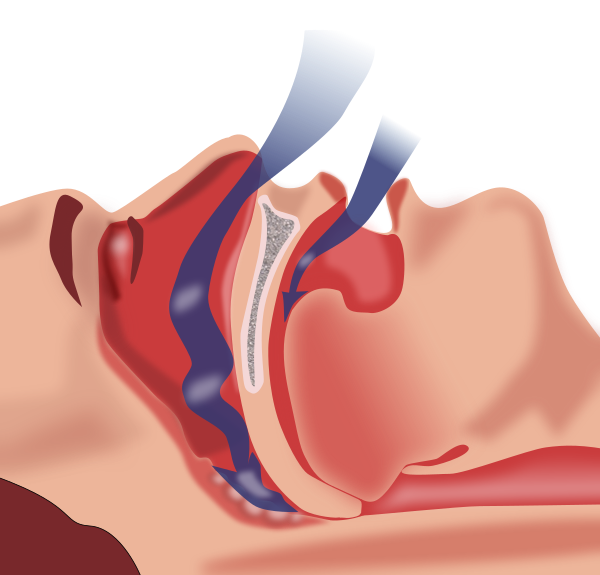
SDB is a general term used to describe conditions that affect the free flow of air when a person is asleep. SDB is a syndrome of upper airway dysfunctions during sleep that is referred to as increased resistance to airflow through the upper airway, heavy snoring, marked reduction in airflow (hypopnea), and complete cessation of breathing (apnea).
Insomnia is characterized by an ongoing difficulty to fall or remain asleep despite wanting to sleep and having enough time to sleep.
Narcolepsy is a sleep disorder that makes people feel excessively tired during the day despite getting an adequate amount of sleep. This can lead to culminating in a “sleep attack” that typically lasts for a few minutes. These sleep attacks and other symptoms of narcolepsy are caused by disruption in the brain’s inability to regulate the sleep-wake cycle.
People with restless legs syndrome (RLS) experience tingling or crawling sensations that create an irresistible urge to move their legs.
Excessive daytime sleepiness (EDS) is a medical and psychological condition that makes it difficult or impossible to stay awake during the day such as sleep apnea, narcolepsy, hypothyroidism, chronic pain, depression, and anxiety.
Parasomnia is a group of unusual sleep behaviors that can occur before falling asleep, during, or in the transition between sleep and wakefulness. These behaviors include sleepwalking, bedwetting, and night terrors.
breathing & Sleep disorder
We Are Airway Aware
Breathing can empower your great moments or impede them. You might be surprised that half our population is affected by sleep-disordered breathing but many of those who suffer from sleep-disordered breathing (SDB) are unaware of it. Many people think they just snore a lot or feel tired often without knowing the reasons; however, it is important to know the symptoms of upper airway dysfunctions such as upper airway resistance syndrome (UARS), snoring, hypopnea (reduction in airflow), and sleep apnea (complete cessation of breathing) and get the proper treatment.
Dr. Horiyat truly understands the impact of your oral anatomy on functional airway breathing; therefore, she can create a personalized and modern treatment plan to facilitate optimal airway health and breathing.

what is a normal breathing?
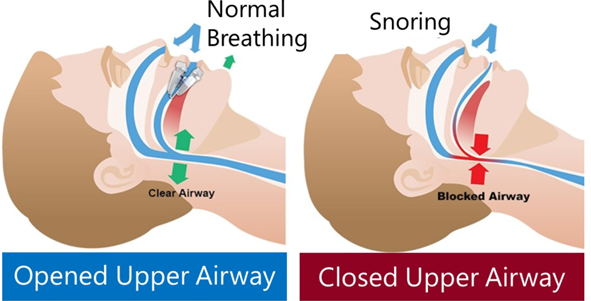
The airway is key to life. Normal breathing is silent breathing through your nose; it is effortless and quiet. Normal breathing is vital for living a vibrant and happy life and allows our bodies to go into normal deep restorative sleep, and to awake refreshed and ready to take on each new day.

Sleep-Disordered Breathing
- Hypopnea (Reduction in Airflow)
- Snoring
- Upper Airway Resistance Syndrome (UARS)
- Obstructive Sleep Apnoea-Hypopnea Syndrome (OSAHS) also known as Obstructive Sleep Apnea (OSA)
- Centeral Sleep Apnea (CSA)
- Hypoxemia (Low Level of O2 in Blood)
- Obesity Hypoventilation Syndrome (OHS)
The progression of sleep BREATHING disorders
root cause of osa
YOur jaw & Sleep apnea
One common culprit behind OSA is the failure of the jaw and dental arches to develop properly which causes an obstructed upper airway. Underdevelopment of the upper jaw is called Maxillary hypoplasia whereas if the lower jaw is set too far back causes mandibular retrognathia. Both of these conditions can result in a compromised upper airway and lead to obstructive sleep apnea which is defined as a pause in breathing during sleep. Such underdeveloped jaws are more common in our modern culture due to softer food in childhood and reduced breastfeeding time which diminish oral muscle development and impede full jaw formation.


effects of jaws on health
Better Breathing, Deeper Sleep
Underdeveloped jaws can have a profound effect on an individual’s oral and overall health. When the jaw and arches do not fully develop, it causes inadequate space for teeth to emerge and ultimately causes crowded or overlapped teeth which can create a host of oral problems such as accelerated tooth decay, gum disease, mouth-breathing, jaw pain, and much more. It also may cause blockage of the airway by narrowing the nasal passages and the shifting of the jaw to the back. As a result, the tongue is unable to rest in its proper position and may fall back into the throat during sleep which inhibits oxygen intake, disrupts healthy sleep, and increases the risk of diseases.
what is sleep apnea?
A Hidden Danger & Secret Killer
Sleep apnea is a type of sleep-related breathing disorder that affects more than 22 million people in the U.S. However, it can be very dangerous, especially when undiagnosed and untreated. If sleep apnea is not treated, it can lead to life-threatening medical conditions or even death.
There are different types of sleep apnea, but the most common type of sleep apnea is Obstructive Sleep Apnea (OSA) which is defined by periodic involuntary breathing interruptions for a brief period or by shallow breathing while asleep. These interruptions – or apneic events – can last anywhere from a short second to a couple of minutes, occurring up to 100 times per hour. When breathing stops, the brain is briefly awakened due to lack of oxygen, thus, it prevents getting a deep and restful night’s sleep. Apneic events pose a serious threat to the body because each time you stop breathing in your sleep, the resulting lower oxygen levels in the bloodstream and brain while simultaneously boosting its carbon dioxide (CO2) levels. This imbalance triggers the brain to quickly open up the airway, causing loud snoring and partial awakening. Since the time spent awake is so brief, most people with sleep apnea don’t remember it, and many believe they are getting a good night’s sleep when, in fact, they are not. The stimulation to both brain and upper airway muscles will cause a constant wake-sleep cycle which prevents those with sleep apnea from achieving deep sleep, resulting in a constant drowsy feeling during the day. Because sleep apnea doesn’t always fully awaken sufferers at night, patients may go years without the diagnosis and proper treatment they need, all the while experiencing chronic daytime headaches and drowsiness,
OSA is an unhealthy condition that disturbs a normal breathing pattern due to blocked airways and ultimately causes major health conditions. The airway blockage may be caused by large tonsils, a long soft palate or uvula, excessive fleshy tissues of the throat, or excessive relaxation of the tongue.
Dr. Maryam Horiyat follows Dr. Weston A. Price’s theories on the relationship between nutrition, dental health, and physical health. she believes that much of airway reduction is not only structural, but also has inflammatory components like foods, chemicals, airborne pollutants, pathogens, and environmental toxins.
Per a report from CNN’s Sleep, “obstructive sleep apnea has been linked to smaller brain volume, damage to the white matter communication pathway in the brain and even three times higher risk of dying from any cause.
types of sleep apnea
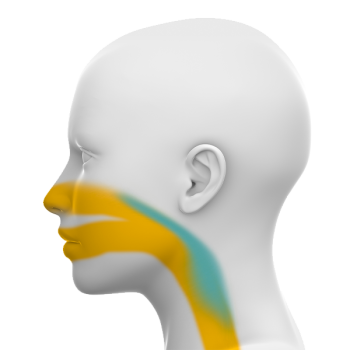
obstructive sleep apnea
The most common type of sleep apnea is obstructive sleep apnea (OSA) which occurs when the tongue, soft palate, or throat tissues relax and block your airways while you sleep.
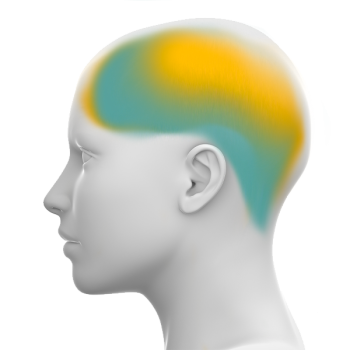
central sleep apnea
Central Sleep Apnea (CSA) is less common than OSA in which breathing stops because the muscles involved in normal respiration don't receive the proper signal from the brain during sleep.

complex sleep apnea
Complex Sleep Apnea is a "mixed" or "complex" sleep apnea which is the combination of obstructive sleep apnea and central sleep apnea.
how is osa measured?
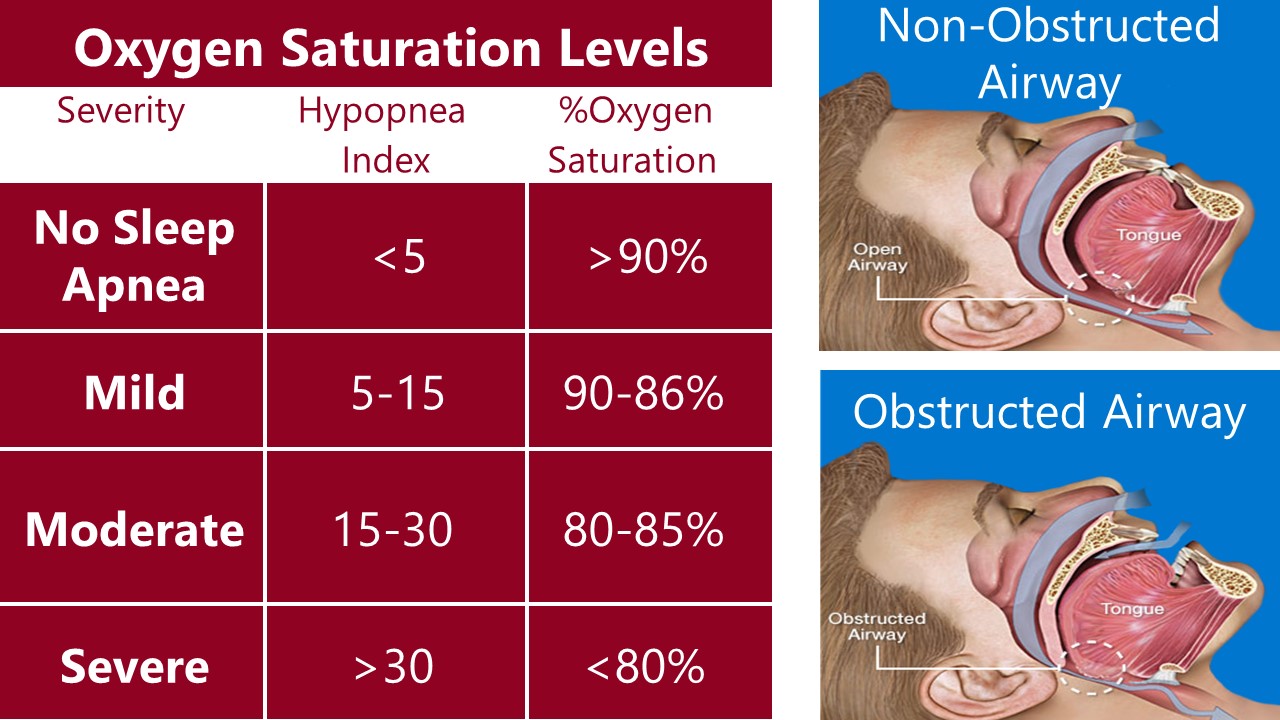
Obstructive sleep apnea is measured using something called the apnea-hypopnea index (AHI), which tracks how many times you stop breathing or breathe shallowly while asleep. This allows sleep medicine specialists to categorize patients into the following categories:
- Severe Obstruction Sleep Apnea – Your AHI is greater than 30 (more than 30 episodes per hour).
- Moderate Obstructive Sleep Apnea - Moderate obstructive sleep apnea comes in an AHI of 15-30.
- Mild Obstructive Sleep Apnea – An AHI between 5-15 results in this diagnosis.
Common Symptoms of Sleep Apnea
If you don’t know the warning signs of sleep apnea, its hard to determine when you should visit a sleep center for diagnosis and treatment. At Aria Dental, our sleep apnea experts closely pay attention to your concerns and symptoms to understand your treatment needs.
- Teeth Grinding or Clenching
- Loud Snoring at Night
- Headaches Upon Waking in the Morning
- Falling Asleep Unintentionally during the Day
- Trouble Focusing during the Day
- Irritability
- Night Sweats
- Dry Mouth
what are the signs of osa?
A lack of restful sleep and sleep apnea affects people in many different ways, including:


SAY GOODBYE TO SLEEP APNEA & SNORING
Breath better Sleep Better Feel Better Look Better Live Healthier Smile & Shine for Life!
Schedule an Appointment with Top Sleep Apnea Expert
Maryam Horiyat
DDS, AIAOMT . IABDM
Stars from over Reviews