







You’ve tried everything for your headaches, more water, less screen time, pain relievers, even a new pillow. But what if the real culprit isn’t in your head at all, but in your jaw? For millions of people, chronic headaches trace back to a small but mighty joint in front of each ear: the temporomandibular joint, or TMJ. Recognizing the early TMJ signs could be the key to finally understanding pain you’ve struggled to explain.
At Aria Dental Care in Orange County, we regularly meet patients who’ve spent years chasing headache relief without realizing their jaw was the source. The connection between jaw dysfunction and head pain is well documented, yet it’s frequently overlooked. This in-depth guide will walk you through how your jaw and your headaches are linked, the warning signs to watch for, what causes TMJ disorders, and how the right treatment, including biocompatible, holistic options, can bring lasting relief.
Note: This article is for educational purposes and isn’t a substitute for a professional evaluation. If you’re experiencing persistent pain, consult a qualified dentist or physician.
What Is the TMJ (Temporomandibular Joint)?
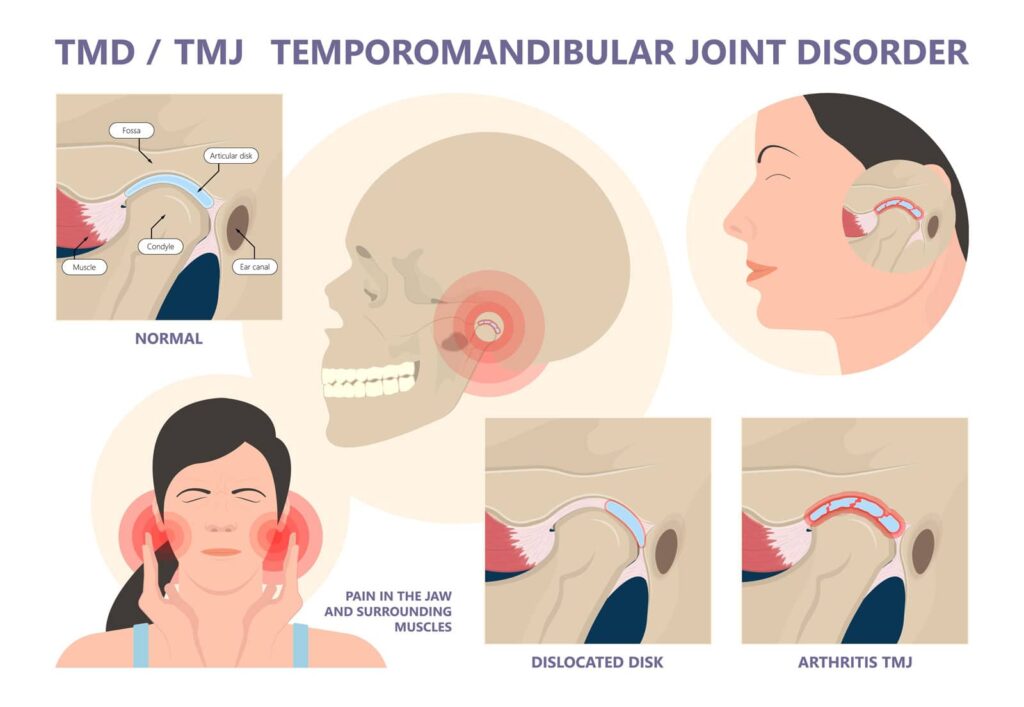
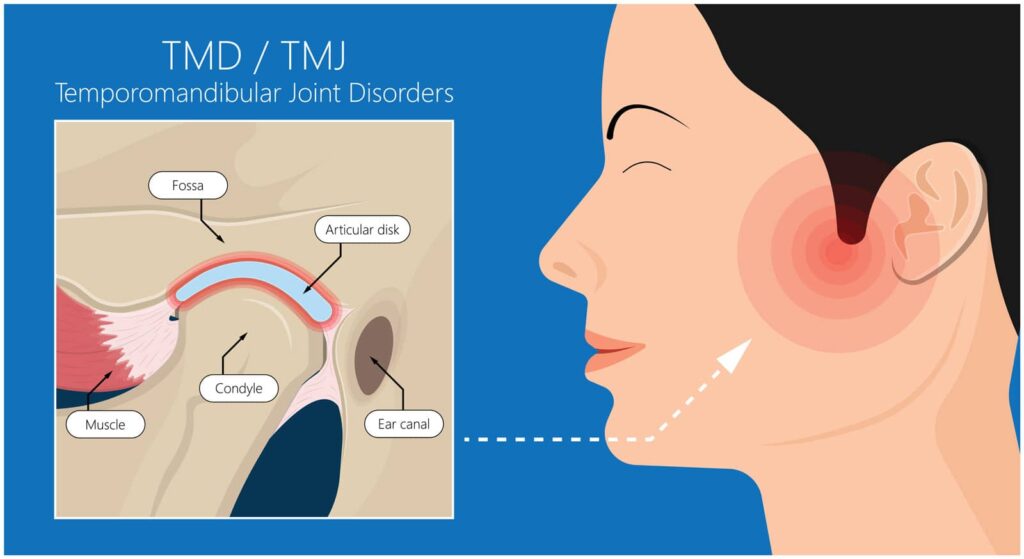
The temporomandibular joint is one of the most complex and frequently used joints in your body. You have two of them, one on each side of your face, connecting your lower jaw (the mandible) to your skull, just in front of your ears. Every time you talk, chew, yawn, or swallow, these joints spring into action, working as sliding hinges that let your jaw move up and down and side to side.
What makes the TMJ unique is its remarkable range of motion combined with the small cushioning disc that keeps movement smooth. When everything is working properly, you don’t notice it at all. But when the joint, the disc, or the surrounding muscles fall out of balance, the result can be pain that radiates well beyond the jaw, including into your head, neck, and ears.
According to the National Institute of Dental and Craniofacial Research, TMJ disorders affect a significant portion of the population, with women experiencing them more often than men. Because the joint sits so close to major nerves and muscle groups, problems here rarely stay local, and that’s precisely why your jaw may be behind your headaches.
What Is a TMJ Disorder (TMD)?
A TMJ disorder, also called TMD (temporomandibular disorder), refers to a group of conditions that cause pain and dysfunction in the jaw joint and the muscles that control jaw movement. While people often say “TMJ” to describe the problem, technically TMJ is the joint itself and TMD is the disorder affecting it. You’ll see both terms used interchangeably.
TMD isn’t a single condition but a family of related problems that may involve:
- The muscles that move the jaw (myofascial pain)
- The joint itself, including a displaced or damaged disc
- Inflammatory or degenerative conditions such as arthritis affecting the joint
These issues can occur alone or together, which is part of what makes TMD tricky to diagnose. The good news is that for most people, TMJ disorders are manageable, and once you recognize the TMJ signs, you can take meaningful steps toward relief.

The Jaw–Headache Connection: How TMJ Causes Headaches
Here’s the part most people miss: your jaw muscles and the muscles involved in headaches are deeply intertwined. The temporalis muscle, a large, fan-shaped muscle that helps close your jaw, spreads across the side of your head, exactly where many people feel tension headaches. When your jaw joint is strained, these muscles work overtime, become fatigued, and refer pain upward and outward.
In other words, an overworked jaw can masquerade as a “typical” headache. Many patients are surprised to learn that the dull, pressing ache behind their temples or forehead is actually muscle pain originating in the jaw.
Tension Headaches and TMJ
Tension-type headaches are the most common headaches linked to jaw dysfunction. When you clench or grind your teeth, often unconsciously, especially at night, the jaw muscles stay contracted for long periods. This sustained tension creates trigger points that radiate pain across the scalp, temples, and back of the head. If you frequently wake up with a headache or notice your head pain worsening as the day goes on, jaw tension may be the hidden driver.
Migraines and Jaw Dysfunction
The relationship between TMJ disorders and migraines is more complex, but research suggests a meaningful link. Jaw dysfunction can act as a trigger or aggravating factor for people prone to migraines, and the two conditions often coexist. The trigeminal nerve, which carries sensation from the jaw and face, also plays a central role in migraine pain. When the jaw is chronically strained, it may sensitize this nerve pathway and lower the threshold for a migraine attack. Treating the underlying jaw issue sometimes reduces both the frequency and intensity of migraines.
Common TMJ Signs and Symptoms
So how do you know if your jaw is the problem? TMJ disorders produce a recognizable cluster of symptoms. You may have just one or several, and they can range from mildly annoying to genuinely disruptive. Below are the most common TMJ signs to watch for.
Early TMJ Signs to Watch For
Catching the problem early makes treatment simpler and more effective. Pay attention to these warning signals:
- Jaw pain or tenderness, especially near the joint in front of your ears
- Clicking, popping, or grating sounds when you open or close your mouth
- Jaw stiffness or a feeling that your bite is “off”
- Difficulty or discomfort when chewing, particularly tough or chewy foods
- A jaw that occasionally locks in the open or closed position
- Facial fatigue or soreness, as if your face muscles are tired
These early signs are your body’s way of flagging that the joint is under strain. Ignoring them often allows the problem to progress.
Headache-Related TMJ Symptoms
Because of the jaw–headache connection, TMD frequently shows up as head and neck symptoms that seem unrelated to the mouth:
- Frequent tension headaches, often around the temples
- Morning headaches that suggest nighttime clenching or grinding
- Pain that radiates to the ears, sometimes mistaken for an ear infection
- A feeling of fullness or ringing in the ears (tinnitus)
- Neck and shoulder tension stemming from compensating muscles
- Pain around or behind the eyes
If you’ve been treated repeatedly for headaches, earaches, or sinus issues with little success, a TMJ evaluation may reveal what’s really going on.
When TMJ Signs Become Serious
Most TMJ disorders are mild and improve with conservative care. However, certain symptoms warrant prompt professional attention:
- A jaw that locks and won’t open or close fully
- Severe, persistent pain that interferes with eating or sleeping
- Noticeable changes in how your teeth fit together
- Swelling on the side of the face
- Symptoms that steadily worsen despite home care
If you experience any of these, don’t wait, early intervention prevents long-term joint damage.
What Causes TMJ Disorders?
TMJ disorders rarely have a single cause. More often, several factors combine to overload the joint and its muscles. Understanding the root cause is essential for choosing the right treatment, and for preventing the problem from returning. Common contributors include:
- Teeth grinding and clenching (bruxism), often stress-related and frequently happening during sleep, this is one of the leading causes of jaw strain and morning headaches.
- Stress and anxiety, emotional tension translates directly into physical jaw tension, creating a clench-pain-clench cycle.
- Bite misalignment (malocclusion), when your teeth don’t come together properly, the jaw muscles compensate, leading to chronic strain.
- Jaw injury or trauma, a blow to the face, whiplash, or even prolonged dental work can disrupt the joint.
- Arthritis, degenerative or inflammatory joint disease can affect the TMJ just as it affects other joints.
- Disc displacement, when the cushioning disc inside the joint slips out of position, you may experience clicking, popping, or locking.
- Poor posture, forward head posture, common with desk work and phone use, places extra load on the jaw and neck.
The Mayo Clinic notes that in many cases, the exact cause of a person’s TMJ disorder is difficult to pin down, which is why a thorough evaluation matters. You can learn more about jaw disorders from trusted medical resources like the Mayo Clinic.
How TMJ Disorders Are Diagnosed
Diagnosing a TMJ disorder starts with a detailed conversation and a hands-on examination. Because TMD shares symptoms with other conditions, sinus problems, ear infections, dental issues, and even certain types of headaches, an accurate diagnosis is the foundation of effective treatment.
During a TMJ evaluation, your dentist will typically:
- Review your symptoms and medical history, including your headache patterns and stress levels
- Examine and feel your jaw as you open and close, listening for clicking or popping
- Check your range of motion and note any locking or deviation
- Assess your bite and teeth for signs of grinding, wear, or misalignment
- Order imaging such as X-rays, a CBCT scan, or in some cases an MRI to view the joint and disc in detail
A trained dentist can distinguish TMJ-related headaches from other causes by connecting the dots between your jaw mechanics and your symptom pattern. This is where the experience of a provider who understands the jaw–headache relationship makes a real difference.
TMJ Treatment Options: From Relief to Resolution
The encouraging news is that most TMJ disorders respond well to conservative, non-invasive treatment. The goal is twofold: relieve your current pain and address the underlying cause so the problem doesn’t return. Treatment is usually approached as a ladder, starting with the gentlest options first.
At-Home Relief for TMJ Signs
For mild or early symptoms, simple self-care often brings noticeable improvement:
- Eat softer foods temporarily to rest the joint
- Apply warm or cold compresses to ease muscle tension and inflammation
- Practice gentle jaw stretches and relaxation exercises
- Avoid extreme jaw movements like wide yawning or gum chewing
- Manage stress through mindfulness, exercise, or other relaxation techniques
- Be mindful of posture, especially during long hours at a desk
These measures won’t fix a structural problem, but they frequently calm flare-ups and reduce headache frequency.
Professional TMJ Treatments
When self-care isn’t enough, a dentist can offer targeted treatments:
- Custom night guards or oral splints, these protect your teeth from grinding and reposition the jaw to reduce strain, often dramatically cutting morning headaches.
- Bite correction, addressing malocclusion through orthodontics or restorative work removes a root cause of jaw stress.
- Physical therapy, specialized exercises and manual therapy strengthen and relax the jaw muscles.
- Medications, short-term anti-inflammatories or muscle relaxants may be used to break the pain cycle.
- Trigger-point or Botox therapy, in select cases, these relax overactive muscles.
Surgery is rarely necessary and is reserved for severe, well-defined joint problems that haven’t responded to conservative care.
The Biological & Holistic Approach to TMJ at Aria Dental Care
At Aria Dental Care, we believe the best TMJ treatment does more than mask symptoms, it identifies and resolves the root cause while honoring your whole-body health. Our holistic, biological philosophy shapes how we approach jaw disorders:
- Biocompatible, metal-free night guards and appliances made from body-friendly materials
- A focus on the underlying cause, whether that’s bite misalignment, bruxism, or stress, rather than just treating pain
- Minimally invasive, conservative care that preserves your natural tooth structure
- Whole-body wellness that considers how stress, posture, and overall health affect your jaw
For patients who care about what goes into their bodies, this approach offers relief that respects both your comfort and your long-term health. Many of our Orange County patients find that addressing TMJ this way resolves headaches that lingered for years.
When to See a Dentist About TMJ Signs
It can be tempting to wait out jaw discomfort, hoping it resolves on its own. Sometimes it does. But persistent or worsening symptoms deserve professional attention, and the sooner, the better. Consider scheduling an evaluation if you notice:
- Headaches that occur frequently or upon waking
- Ongoing jaw pain, clicking, or popping
- Difficulty chewing or a bite that feels different
- Ear pain or ringing with no clear medical cause
- Symptoms that disrupt your sleep, work, or quality of life
Early treatment is almost always simpler, less invasive, and more effective. A dentist experienced in TMJ disorders can pinpoint whether your jaw is driving your headaches and design a plan to bring lasting relief. The American Dental Association recommends discussing persistent jaw or facial pain with a dental professional rather than ignoring it.
Can You Prevent TMJ Disorders and the Headaches They Cause?
While not every TMJ disorder is preventable, many of the habits that overload the jaw are within your control. Building a few protective routines into daily life can reduce flare-ups and keep jaw-related headaches at bay:
- Become aware of clenching. Throughout the day, check whether your teeth are touching. Ideally, your jaw should rest with the teeth slightly apart and the lips closed. A simple “lips together, teeth apart” reminder can break the clenching habit.
- Tame nighttime grinding early. If you suspect you grind in your sleep, a custom night guard is one of the most effective preventive tools available.
- Manage stress proactively. Because stress fuels jaw tension, regular exercise, quality sleep, and relaxation practices protect your jaw as much as your mind.
- Mind your posture. Keep screens at eye level and avoid cradling your phone between ear and shoulder, which strains the jaw and neck.
- Avoid jaw overuse. Skip excessive gum chewing, nail biting, and chewing on pens or ice, all of which tax the joint.
- Don’t ignore early warning signs. Addressing minor clicking or soreness early prevents bigger problems later.
Prevention is always easier than treatment, and these small adjustments often make a measurable difference in how your jaw, and your head, feel day to day.
Why Experience and Expertise Matter (The EEAT Factor)
TMJ disorders sit at the intersection of dentistry, muscle function, and overall health, which means the experience behind your care truly matters. The same set of symptoms can have several different causes, and identifying the right one requires a clinician who understands the full picture.
Dr. Maryam Horiyat brings extensive training across holistic, biological, reconstructive, and functional dentistry, with accreditation from leading professional organizations. This integrated background allows for treatment plans that address not just the jaw joint, but the bite, the muscles, and the lifestyle factors feeding the problem, all with biocompatible materials chosen for your long-term wellness. When a provider connects the dots between your jaw and your headaches, you finally get answers instead of guesswork.
The Bottom Line
If you’ve been battling stubborn headaches with no clear explanation, the answer may lie in your jaw. The temporomandibular joint sits at the crossroads of your facial muscles, nerves, and bite, and when it falls out of balance, the resulting pain often shows up as headaches, ear discomfort, and facial tension. Learning to recognize the early TMJ signs puts you one step closer to relief you may have thought impossible.
You don’t have to live with the cycle of jaw tension and recurring head pain. If you’re in Orange County, the team at Aria Dental Care can evaluate your jaw, uncover the true source of your headaches, and create a personalized, holistic treatment plan built around your health and comfort.
Tired of headaches that won’t quit? Contact Aria Dental Care today to schedule your TMJ evaluation and take the first step toward lasting relief.