







Written and clinically reviewed by Dr. Maryam Horiyat, DDS, AIAOMT, CIABDM. Last reviewed October 25, 2026.
Key takeaways
- Mouth breathing is when a child breathes mainly through the mouth instead of the nose, especially during sleep. Occasional mouth breathing during a cold is normal; habitual mouth breathing is worth a closer look.
- The most common physical cause in children is enlarged tonsils and adenoids. Allergies, chronic congestion, oral habits and a narrow upper jaw can also play a role.
- Over time, chronic mouth breathing is associated with dry mouth, cavities, gum inflammation, crowded teeth, changes in jaw growth and poor-quality sleep.
- A holistic pediatric dentist can spot many early signs during a routine visit, but sleep apnea is diagnosed by a physician with a sleep study. The best outcomes come from a team approach.
Does your child sleep with their mouth open, snore most nights, or wake up with chapped lips and a dry throat? Many parents assume these are harmless quirks that a child will simply grow out of. Sometimes that is true. Often, though, an open-mouth breathing pattern is a signal from the body that the airway is not working as smoothly as it should.
As a family practice with a dedicated holistic pediatric dentistry program, we see the effects of mouth breathing every week at Aria Dental Care in Mission Viejo: narrow dental arches, crowded front teeth, inflamed gums, and tired kids whose parents mention snoring almost in passing. The mouth is often where airway problems show up first, which puts the dental office in a unique position to notice them early.
This guide explains what mouth breathing is, why it matters for a growing child, what causes it, and how a whole-child, biological approach to dental care can help. The goal is not to alarm you. The goal is to help you know what to look for, what questions to ask, and when an evaluation makes sense.
What a Holistic Pediatric Dentist Means by “Mouth Breathing”
Mouth breathing simply means a child breathes through the mouth most of the time, either during the day, during sleep, or both. Clinicians often describe this as an “open mouth posture” at rest, where the lips stay apart and the tongue sits low in the mouth rather than resting against the roof of the mouth.
Every child breathes through the mouth now and then, especially with a stuffy nose, during hard exercise, or while crying. That is normal and temporary. A holistic pediatric dentist is more interested in habitual mouth breathing: the pattern that continues even when the child is healthy, calm and at rest.
Why Nasal Breathing Matters for Growing Children
The nose is far more than an air passage. It is designed to prepare air before it reaches the lungs. Nasal breathing:
- Filters dust, allergens and microbes through nasal hairs and mucus.
- Warms and humidifies air, which is gentler on the throat and lungs.
- Adds nitric oxide, a gas produced in the nasal sinuses that supports healthy airflow and oxygen exchange.
- Supports proper tongue posture, because the lips stay closed and the tongue rests up against the palate.
That last point is especially important from a dental and facial growth perspective. When the tongue rests against the palate, it acts as a natural, gentle expander for the upper jaw during childhood. When a child breathes through the mouth, the tongue drops lower, and that steady shaping force is reduced. This is one reason children’s airway health and dental development are so closely connected.

Signs of Mouth Breathing in Children That Parents Often Miss
Mouth breathing can be easy to overlook because it happens quietly, often at night. Here are the most common signs our team asks parents about.
Nighttime Signs
- Sleeping with the mouth open
- Snoring, snorting or noisy breathing three or more nights a week
- Pauses in breathing, gasping or choking sounds
- Restless sleep, unusual sleep positions (such as the neck stretched back), or frequent waking
- Night sweats
- Bedwetting after a child had been dry at night
- Teeth grinding (bruxism)
- Drooling on the pillow
Daytime Signs
- Lips apart while watching TV, reading or concentrating
- Dry, cracked lips and frequent throat clearing
- Persistent bad breath
- Dark circles under the eyes
- A long, narrow face or a “tired” facial appearance
- Difficulty waking up, morning headaches or daytime sleepiness
- Irritability, trouble focusing, or hyperactive behavior
- Picky eating or slow chewing, sometimes because breathing and chewing compete for the same space
None of these signs proves that something is wrong, and several of them have many possible causes. But when a parent recognizes three or four of them in the same child, it is a good reason to bring it up with both your child’s pediatrician and a dentist who evaluates airway and oral function.
Common Causes of Chronic Mouth Breathing in Kids
Mouth breathing is rarely a “bad habit” in isolation. In most children, the body switches to the mouth because breathing through the nose is difficult. Finding the reason is the heart of a root-cause approach.
Enlarged Tonsils and Adenoids
According to the National Heart, Lung, and Blood Institute, obstructive sleep apnea in children is often caused by large tonsils or adenoids, and it is most common between ages 2 and 8. The adenoids sit high in the back of the nose, so when they are enlarged, they can block nasal airflow directly. Tonsils, at the back of the throat, can narrow the airway further during sleep when muscles relax.
During a dental exam, the tonsils are often visible. A holistic pediatric dentist can note their size and refer the family to a pediatrician or ear, nose and throat (ENT) specialist when they appear large.
Allergies and Chronic Nasal Congestion
Seasonal allergies, dust mites, pet dander, mold and frequent colds can keep the nasal lining swollen for weeks or months. A child who cannot breathe comfortably through the nose will adapt by breathing through the mouth, and that adaptation can become a pattern even after congestion improves.
Tongue Tie and Oral Habits
A restricted lingual frenulum (often called a tongue tie) can make it harder for the tongue to rest against the palate. Prolonged pacifier use, thumb sucking and long-term bottle use can also influence tongue position and the shape of the developing arches. These factors do not always cause mouth breathing, and not every tongue tie needs treatment, but they are worth evaluating as part of the whole picture.
A Narrow Upper Jaw or High Palate
A narrow, high-vaulted palate reduces space in the nasal floor, because the roof of the mouth is also the floor of the nose. This can become a cycle: mouth breathing contributes to a narrower palate, and a narrower palate can make nasal breathing harder.
Other Contributing Factors
- Deviated nasal septum or other structural nasal differences
- Excess body weight, which is a recognized risk factor for pediatric sleep apnea
- Exposure to tobacco smoke
- Certain genetic conditions and craniofacial differences, which call for coordinated care with medical specialists

How Mouth Breathing Can Affect a Child’s Teeth, Jaws and Facial Growth
Here is where dentistry and whole-body health meet. Because a child’s face and jaws are still growing, breathing patterns can influence how they develop.
Oral Health Effects
Saliva is the mouth’s natural defense system. It rinses away food particles, neutralizes acids and delivers minerals that help repair early enamel weakness. Mouth breathing dries the mouth, especially overnight, which can lead to:
- Higher cavity risk, particularly on the front teeth and along the gumline
- Gingivitis, with red, puffy gums that bleed easily, often concentrated on the upper front teeth
- Bad breath, because a dry mouth allows odor-producing bacteria to thrive
- A disrupted oral microbiome, which biological dentistry considers a key part of long-term oral health
If your child brushes well but still develops cavities or bleeding gums, mouth breathing is one of the first things to consider.
Jaw Development and Malocclusion
Research has examined this connection closely. A 2021 systematic review and meta-analysis published in BMC Oral Health and available through the National Institutes of Health found that children who breathe through the mouth tended to show a lower jaw positioned further back, a more downward and backward rotation of the jaw, and narrower airway measurements compared with nasal-breathing children.
In everyday terms, the orthodontic findings commonly associated with chronic mouth breathing include:
- A narrow upper arch and crowded teeth
- Posterior crossbite (upper back teeth sitting inside the lower teeth)
- An open bite, where front teeth do not meet
- A retruded chin and a longer lower face
- A “gummy” smile in some children
Researchers still debate how much mouth breathing causes these changes versus how much existing jaw shape contributes to mouth breathing. Most likely, it works in both directions. Either way, the practical lesson for parents is the same: identifying the pattern early, while a child is still growing, offers more options and often simpler ones.
Sleep, Behavior and Learning
Children who mouth breathe because of a partially blocked airway often sleep poorly, even if they spend enough hours in bed. Fragmented sleep can show up as daytime fatigue, but in children it frequently looks like the opposite: hyperactivity, impulsivity, mood swings and trouble paying attention. The NHLBI notes that untreated sleep apnea in children can contribute to problems with learning and memory, which is why sleep quality deserves real attention.
When Snoring Is More Than Snoring: Pediatric Sleep-Disordered Breathing
Snoring in children exists on a spectrum, often called sleep-disordered breathing. At one end is occasional, quiet snoring during a cold. At the other end is obstructive sleep apnea (OSA), where the airway repeatedly narrows or closes during sleep and oxygen levels dip.
Frequent snoring in young children is not something to dismiss. Johns Hopkins Medicine notes that snoring can be a sign of obstructive sleep apnea, which in children is often associated with large tonsils, and recommends medical evaluation for heavy or disruptive snoring.
It is important to be clear about roles. A holistic pediatric dentist can screen for signs of sleep-disordered breathing, but a dentist does not diagnose sleep apnea. Diagnosis requires a sleep study ordered and interpreted by a physician, typically a pediatric sleep specialist. When tonsils and adenoids are the main cause, removing them is the usual first-line medical treatment. Dentistry’s role is to recognize the signs early, refer appropriately, and support the parts of treatment that involve the teeth, jaws and oral function.
How a Holistic Pediatric Dentist Evaluates Mouth Breathing
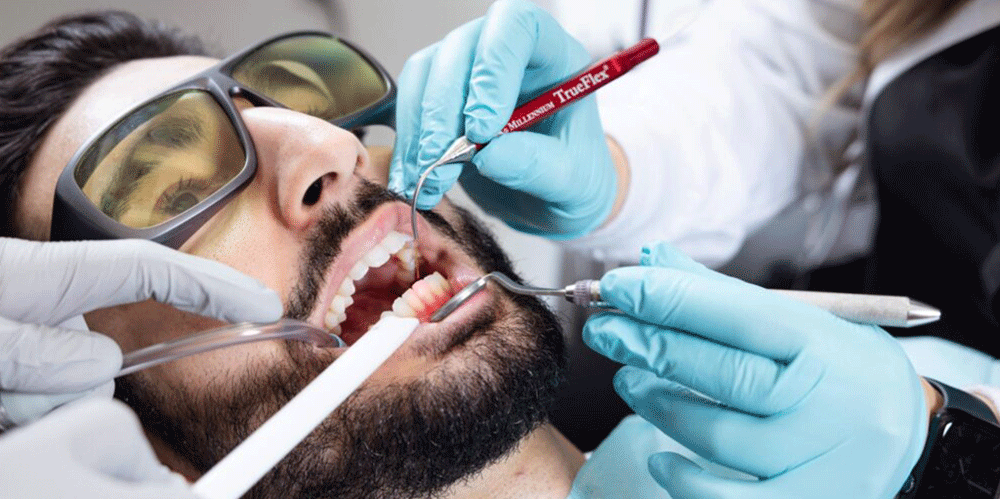
At Aria Dental Care, an airway-aware children’s visit looks at the whole child, not just a row of teeth. While every visit is tailored to the child’s age and comfort level, an evaluation for mouth breathing generally includes:
- A detailed health and sleep history. Parents complete questions about snoring, sleep position, bedwetting, allergies, behavior, school performance and feeding history.
- Observation at rest. How does the child sit, hold the head and breathe while relaxed? Are the lips together or apart?
- Oral and throat exam. Tonsil size, palate shape and width, tongue position and mobility, the lingual and lip frenula, and the health of the gums.
- Bite and growth assessment. Crossbites, open bites, crowding, jaw position and facial balance.
- Gum and cavity risk review. Signs of dryness, gingivitis and early enamel changes linked to mouth breathing.
- Imaging only when clinically justified. Children are more sensitive to radiation, so X-rays or 3D imaging are used selectively, with the lowest dose that answers a specific clinical question.
A Team Approach to Children’s Airway Health
Holistic care is collaborative care. Depending on the findings, our team may recommend that a family see:
- Their pediatrician for overall health review and coordination
- An ENT specialist for tonsils, adenoids or nasal structure
- A pediatric sleep physician for a sleep study when sleep apnea is suspected
- An allergist for persistent congestion
- A myofunctional therapist or speech-language pathologist for tongue posture, swallowing and lip seal training
Dr. Maryam Horiyat brings a biological dentistry perspective and hands-on orthodontic experience to this process. She earned her DDS from UCSF in 2006 after undergraduate studies at UCLA, is an accredited member of the International Academy of Oral Medicine and Toxicology (IAOMT), and is certified by the International Academy of Biological Dentistry and Medicine (IABDM). In practice, that means a focus on biocompatible materials, minimally invasive care and looking for root causes rather than chasing symptoms. You can read more about her background on the Meet Dr. Maryam Horiyat page.

Holistic, Whole-Child Treatment Options for Mouth Breathing
There is no single treatment for mouth breathing, because there is no single cause. The right plan depends on why a child is breathing through the mouth, how old they are, and how their jaws are developing. Here is how our practice approaches it.
Step One: Open the Airway
If enlarged tonsils or adenoids, allergies or nasal blockage are the main drivers, those need to be addressed first with the appropriate medical specialist. Retraining breathing habits while the nose is still blocked rarely works, because the body will keep choosing the path that delivers air.
Myofunctional Therapy
Orofacial myofunctional therapy is a series of exercises that train the tongue, lips and facial muscles. Goals typically include resting the tongue on the palate, keeping the lips sealed at rest, swallowing correctly and breathing through the nose. In our practice’s philosophy, myofunctional therapy is an important complement to medical and orthodontic care. Research on it is promising, particularly as an add-on to other treatments, although larger studies in children are still needed. It works best with consistent practice at home and a motivated child.
Orthodontic Expansion and Growth Guidance
For a child with a narrow upper jaw or crossbite, early orthodontic treatment can widen the palate while the growth sutures are still responsive. Because the palate forms the floor of the nose, expansion can increase space for the tongue and, in selected children, may support easier nasal breathing. Expansion is not a substitute for medical treatment of sleep apnea, and decisions about it should be coordinated with the child’s physician when a sleep disorder is involved. Our orthodontics and dental appliances pages explain these options in more detail.
Tongue Tie Evaluation
If a restricted frenulum is limiting tongue posture or function, a gentle release may be discussed, usually alongside myofunctional therapy before and after the procedure. Not every tongue tie needs release, and the decision should be based on function, not appearance alone. When a release is appropriate, laser dentistry can offer a minimally invasive option.
Protecting Teeth and Gums Along the Way
While the underlying cause is being addressed, preventive care keeps the mouth healthy:
- More frequent cleanings and checkups for children with dry mouth or gingivitis
- Remineralizing strategies and biocompatible sealants or restorations when needed
- Diet coaching to reduce frequent sugary snacks and acidic drinks
- Hydration habits that help counter overnight dryness
What About Mouth Taping for Kids?
Mouth taping is popular on social media, but it is not recommended for children without guidance from a physician. If a child mouth breathes because the nose or airway is blocked, taping the lips can make breathing during sleep harder and potentially unsafe. The safer path is to find and treat the reason the child cannot breathe comfortably through the nose.
What Parents Can Do at Home Starting Tonight
While you arrange an evaluation, these simple steps can support better nasal breathing:
- Watch and listen. Check on your child 30 to 60 minutes after they fall asleep. Note snoring, mouth position and pauses. A short phone video can be very helpful for your pediatrician and dentist.
- Keep the nose clear. Gentle saline rinses or sprays, used as directed for your child’s age, can reduce congestion.
- Reduce allergens. Wash bedding in hot water weekly, use dust-mite covers, keep pets out of the bedroom, and consider a HEPA air purifier.
- Practice “lips together” games. For younger children, humming, blowing bubbles and holding a small sip of water with lips closed can build awareness.
- Encourage chewing. Age-appropriate crunchy, fibrous foods support jaw and muscle development.
- Wean prolonged habits. Gently phase out pacifiers, thumb sucking and sippy cups at the ages your pediatrician recommends.
- Protect sleep. A consistent bedtime, a cool, dark room and screens off at least an hour before bed all support deeper sleep.
Why Early Evaluation Matters
Children’s faces and jaws grow fastest in the early years, and most of that growth is complete by the teenage years. That growth window is an opportunity. Addressing the cause of mouth breathing while a child is still developing often means simpler, gentler interventions and a better chance of guiding the jaws toward healthy proportions.
Early attention also protects what matters most: restful sleep, comfortable breathing, healthy teeth and gums, and a child who has the energy to learn and play. A thoughtful holistic pediatric dentist will never rush a family into treatment, but will help you understand what is happening and which professionals to involve.
Families who want a broader overview of our children’s services can visit our holistic pediatric dentistry page, and parents concerned about snoring can learn more on our sleep apnea and snoring page.
Schedule a Whole-Child Airway and Dental Evaluation in Mission Viejo
If your child snores, sleeps with an open mouth, or shows several of the signs in this guide, a calm, thorough evaluation is a good next step. Aria Dental Care welcomes families from Mission Viejo, Laguna Niguel, Rancho Santa Margarita, Ladera Ranch, Irvine and across Orange County who want a gentle, biological approach to their children’s dental care.
Visit us at 27652 Crown Valley Pkwy, Mission Viejo, CA 92691, call (949) 364-9600, or book an appointment online. Our team will take the time to listen, explain what we find, and coordinate with your child’s other healthcare providers so the whole child is cared for.