




If your dentist or periodontist has recently told you that you need a gum graft, your first reaction was probably somewhere between anxiety and a dozen urgent questions. Does it hurt? Will it actually work? Do I really need surgery? How long is the recovery? And most importantly, will it genuinely fix my receding gums, or just temporarily patch them?
These are the exact questions we hear every week at Aria Dental Care, and they deserve honest, thorough answers, not reassuring platitudes designed to get you to book a procedure. In this guide, we’ll walk you through everything you actually need to know: what gum grafting surgery is, why gum recession happens, the different types of gum graft procedures, what the recovery really looks like, what the success rate data shows, who is and isn’t a good candidate, and what alternatives exist. We’ll also be transparent about the cases where a gum graft is genuinely the best option, and the cases where it isn’t.
What Is Gum Recession and Why Does It Matter?
Before we can talk about whether a gum graft is right for you, it’s important to understand what gum recession actually is, and why it’s more serious than most people initially realize.
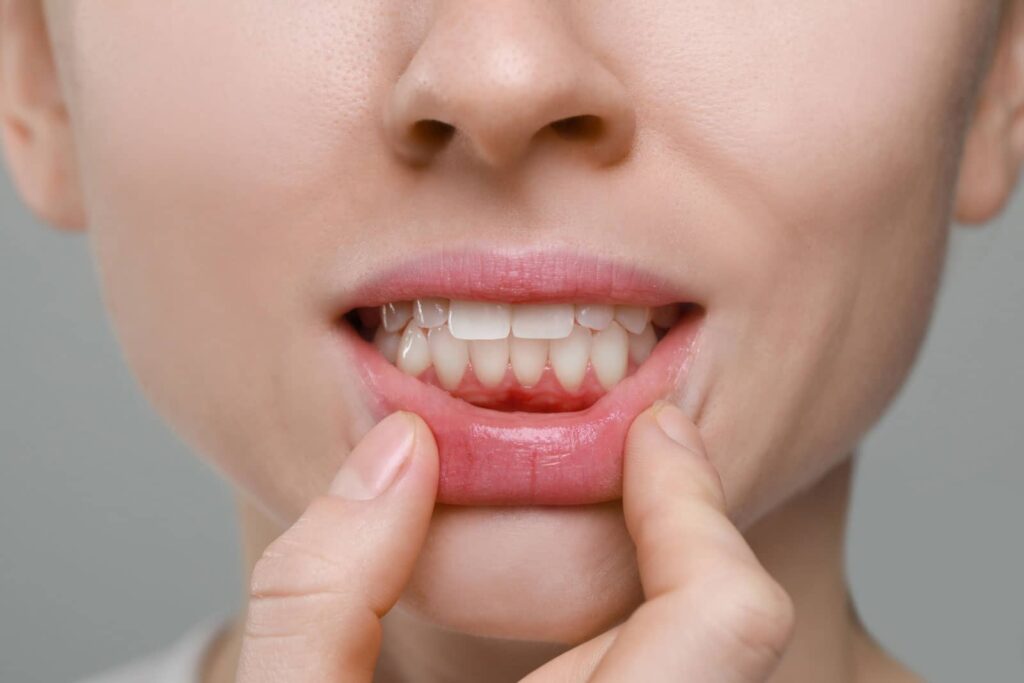
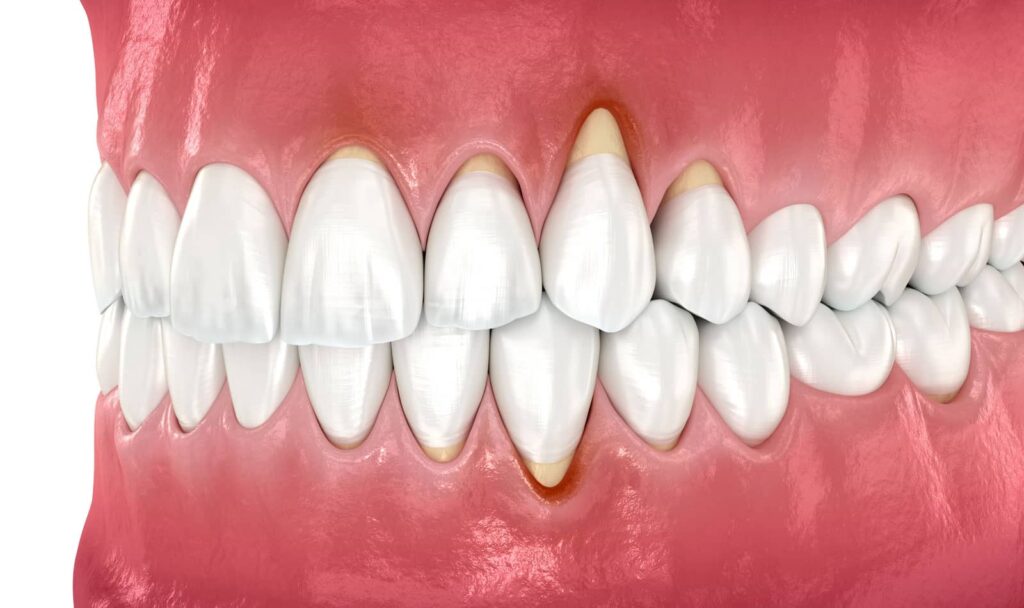
Gum recession is the progressive process by which the gum tissue (gingiva) that surrounds and protects the teeth pulls back, exposing more of the tooth crown or, in more advanced cases, the tooth root itself. According to WebMD, gum recession affects between 4% and 12% of adults and often goes unnoticed in its early stages because it develops gradually, sometimes over years or even decades.
Many patients first notice recession not visually, but through symptoms: teeth that suddenly seem “longer” than they used to look, increased sensitivity to cold drinks or sweet foods, a notch or groove they can feel at the base of a tooth with their tongue, or a gumline that looks uneven compared to neighboring teeth.
What Causes Gum Recession?
Understanding the cause of your gum recession matters enormously, because if the underlying cause isn’t addressed, even the most successful gum graft can fail or recur over time. The most common causes include:
- Periodontal disease (gum disease): the leading cause of recession in adults. Bacterial infection destroys the gum tissue and supporting bone, progressively exposing the root surfaces
- Aggressive tooth brushing: using too much force, brushing with a hard-bristled brush, or using a horizontal scrubbing motion gradually abrades and strips the gum tissue away from the tooth
- Genetic predisposition: some individuals are born with naturally thin or fragile gingival tissue that is inherently more susceptible to recession regardless of oral hygiene quality
- Teeth grinding and clenching (bruxism): the excessive mechanical forces transmitted through the teeth during grinding create stress on the periodontal supporting structures that accelerates tissue breakdown
- Orthodontic treatment: teeth moved beyond the boundaries of the alveolar bone envelope during orthodontic treatment can result in recession, particularly on the lower front teeth
- Oral piercings: lip and tongue piercings that repeatedly contact the gumline cause progressive localized trauma and recession
- Tobacco use: both smoking and smokeless tobacco reduce blood flow to gingival tissue, impair healing, and are strongly associated with progressive recession
Aria Dental Care Note: One of the most important things we do at the beginning of any gum recession consultation is identify the cause, because a gum graft performed without addressing the root cause is far more likely to fail or require retreatment. Root cause correction is never optional.
When Does Gum Recession Become a Problem That Needs Treatment?
Not all gum recession requires surgical intervention. Mild, stable recession with no active disease, adequate remaining attached tissue, and no root exposure symptoms may be monitored conservatively with improved oral hygiene and regular professional monitoring. However, treatment, including gum graft surgery, becomes clinically indicated when:
- Root surfaces are exposed, creating risk of root decay, hypersensitivity, and structural vulnerability
- The recession is progressing, each millimeter of additional recession represents irreversible tissue loss
- Insufficient attached gingiva remains to protect the tooth and underlying bone from further tissue breakdown
- Aesthetic impact is significant, uneven gumlines and exposed roots visibly affect smile appearance
- Recession is undermining dental implants or planned orthodontic treatment, adequate gingival tissue is required for the long-term stability of both
What Is a Gum Graft? How the Procedure Actually Works
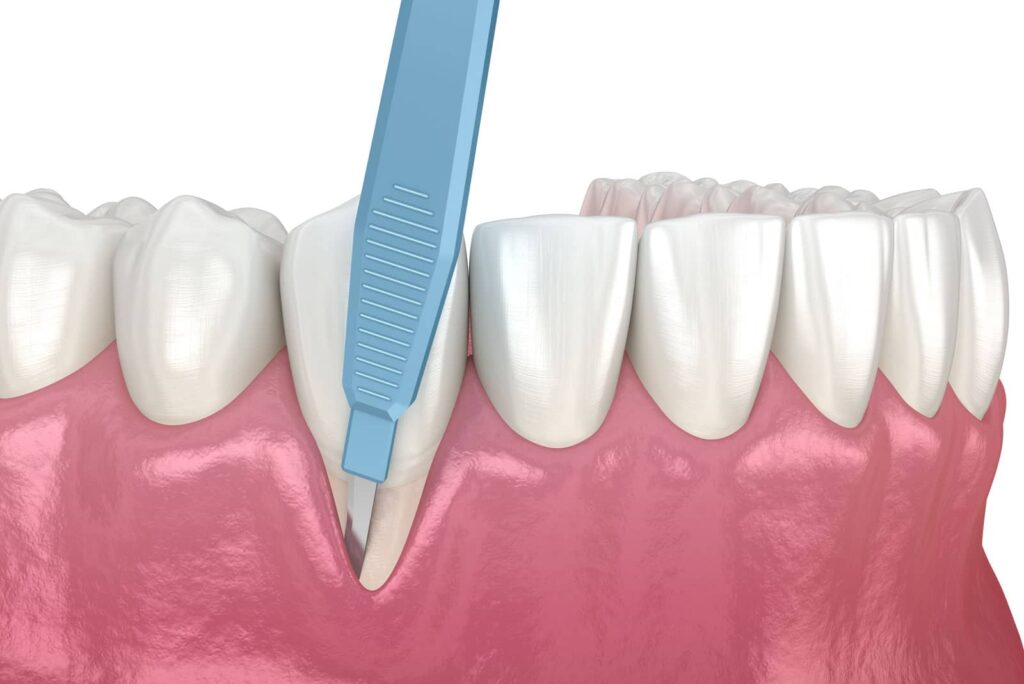
A gum graft, also called a gingival graft, soft tissue graft, or periodontal plastic surgery procedure, is a surgical treatment in which new gum tissue is placed over areas where the gum has receded, covering the exposed root surface and restoring a healthy, protective band of gingival tissue around the tooth.
The concept is straightforward: tissue is harvested (either from your own palate, from adjacent gum tissue, or from a processed donor source) and precisely sutured into position over the recession site. As healing proceeds, the new tissue integrates with the surrounding gum, establishing a stable, attached gingival complex that protects the tooth root and prevents further recession.
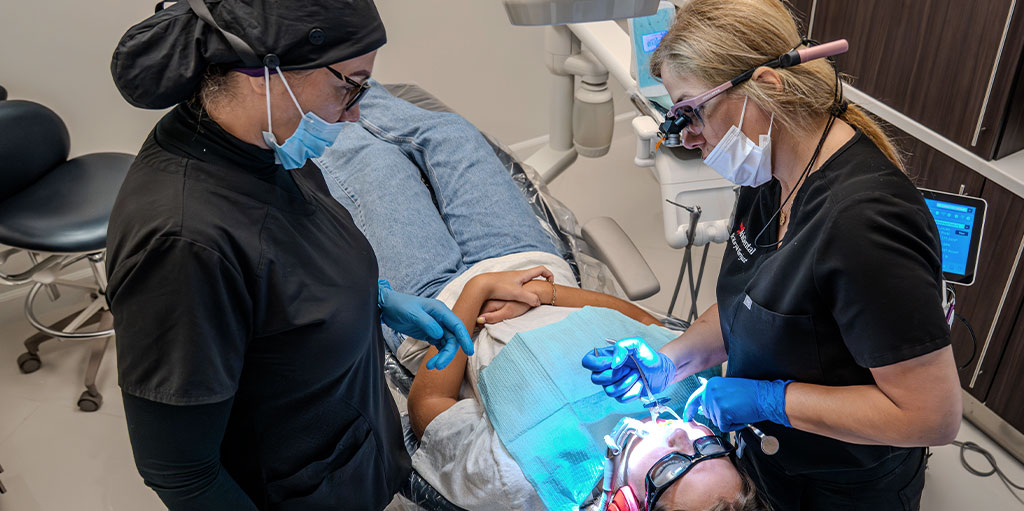
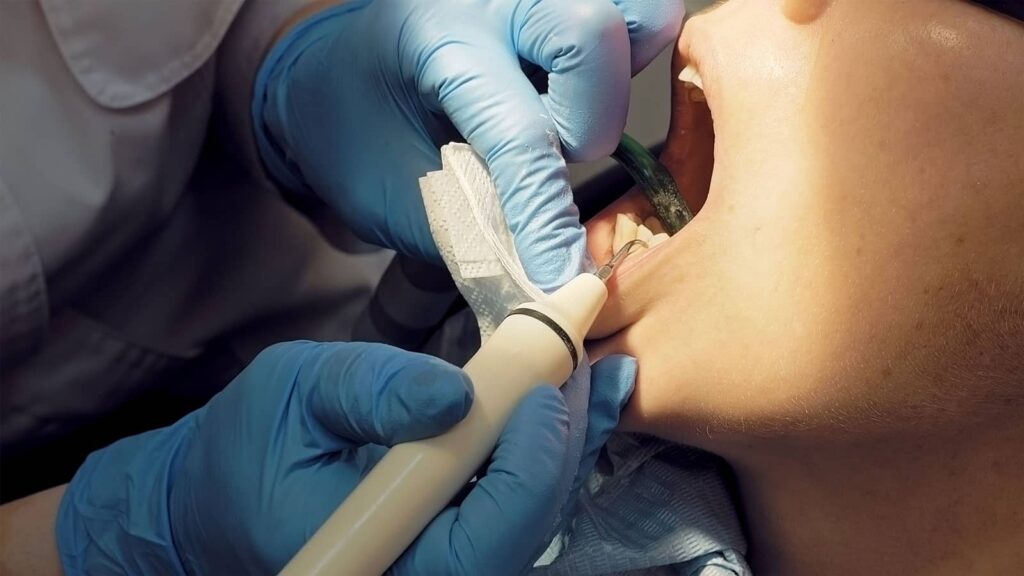
The procedure is performed under local anesthesia in a dental office setting, typically by a periodontist (a gum specialist) or an oral surgeon. Most gum graft procedures take between 60 and 120 minutes depending on the number of sites being treated.
What Happens During a Gum Graft Procedure?
While the specific steps vary depending on the graft type selected (covered in the next section), the general sequence of a gum grafting procedure is:
- Local anesthesia administration, the recipient site (where the graft will be placed) and, if applicable, the donor site (typically the palate) are thoroughly numbed. Most patients report that the procedure itself is far more comfortable than they anticipated.
- Donor tissue harvest, tissue is carefully removed from the palate or another donor site. The type and amount harvested depends on the graft technique and the size of the recession area being treated.
- Recipient site preparation, the receding gum area is carefully prepared; the existing tissue is repositioned or trimmed to create a vascularized bed that the graft tissue can adhere to and integrate with.
- Graft placement and suturing, the harvested tissue is precisely positioned over the recession site and secured with fine sutures. The goal is to cover the exposed root and achieve coronal advancement (moving the gumline back up the tooth) while maintaining tissue contact with the underlying vascular bed.
- Palate wound management, if tissue was taken from the palate, a collagen dressing or stent is placed to protect the donor site as it heals.
- Post-operative instructions, detailed written and verbal instructions cover dietary restrictions, oral hygiene modifications, medication protocols, and activity restrictions for the recovery period.
Types of Gum Graft Surgery: Which One Is Right for You?
There is no single universal gum graft technique, the appropriate procedure depends on the pattern and severity of recession, the quality and quantity of available adjacent tissue, your aesthetic goals, and the specific teeth involved. At Aria Dental Care, we evaluate every patient individually to determine which approach will produce the best functional and aesthetic outcome for their specific anatomy.
1. Connective Tissue Graft (Subepithelial Connective Tissue Graft)
The connective tissue graft (CTG) is the most widely used and most extensively studied gum graft technique in modern periodontal surgery, and it is the gold standard for the majority of root coverage cases.
In this procedure, a small incision is made in the roof of the mouth (palate) to create a flap, and connective tissue is harvested from beneath the surface layer. Because only the deeper connective tissue layer is removed (not the outer epithelium), the palate wound heals more quickly and with less postoperative discomfort compared to the free gingival graft technique. The harvested connective tissue is then sutured beneath a flap of existing gum tissue at the recession site, providing excellent root coverage, aesthetic color matching with the surrounding tissue, and meaningful gingival thickness augmentation.
Best for: Patients with Miller Class I or II gum recession needing root coverage and improved aesthetics. The connective tissue graft provides the best combination of root coverage and natural appearance, making it the preferred choice for visible areas of the smile. Research confirms that the coronally advanced flap with connective tissue graft achieves root coverage rates of approximately 86% in advanced recession cases.
2. Free Gingival Graft
The free gingival graft (FGG) involves harvesting a small, full-thickness piece of tissue, including both the epithelial surface layer and the underlying connective tissue, directly from the palate and transplanting it to the recession site.
Unlike the connective tissue graft, the free gingival graft does not prioritize aesthetic root coverage. Instead, its primary purpose is to augment the width and thickness of keratinized (attached) gingival tissue in areas where it is critically thin or absent. This is particularly important for long-term stability, because keratinized tissue provides a firm, protective barrier against mechanical irritation and bacterial penetration.
Best for: Patients with very thin gum tissue who need to build a wider, more robust band of keratinized gingiva to prevent future recession, particularly in lower front teeth and around dental implants where tissue stability is paramount. The free gingival graft is also preferred when the aesthetic zone is not a primary concern, as the tissue color match is generally less precise than with connective tissue grafts.
3. Pedicle Graft (Laterally Positioned Flap)
The pedicle graft (also called a laterally positioned flap or rotational flap) differs fundamentally from the other graft types in that it does not involve harvesting tissue from the palate at all. Instead, gum tissue adjacent to the recession site is partially cut, rotated or slid laterally, and repositioned to cover the exposed root.
Because the pedicle tissue maintains its blood supply connection throughout the procedure, healing is typically faster and the color match is excellent, the tissue is already the same color as the surrounding gum. However, this technique requires sufficient healthy tissue adjacent to the recession site, and it is not appropriate when recession affects multiple adjacent teeth simultaneously.
Best for: Isolated single-tooth recession where abundant, healthy gum tissue exists on the neighboring tooth or side. The pedicle graft is elegant when anatomically feasible, but it has limited applicability in patients with widespread recession.
4. Allograft (Donor Tissue), The CPAP-Free Alternative to Palate Harvest
For patients concerned about donor site discomfort at the palate, or for cases requiring large amounts of tissue across multiple recession sites, processed allograft tissue (commercially processed donor tissue, such as AlloDerm®) offers an alternative that eliminates the need for palate harvesting entirely.
Allograft tissue is rigorously processed to remove cells while preserving the collagen scaffold, making it biocompatible and safe for human use. Clinical outcomes are comparable to autogenous (your own) tissue grafts in many studies, though some research suggests that autogenous connective tissue grafts may produce marginally superior long-term root coverage in complex cases. The absence of a palate donor site significantly reduces postoperative discomfort and recovery time.
Best for: Patients treating multiple recession sites simultaneously, patients with anatomical limitations that make palate harvesting difficult, or patients who strongly prefer to avoid donor site surgery.
Gum Graft Success Rate: What the Evidence Actually Shows
One of the most important questions patients ask is whether a gum graft actually works, and the evidence is genuinely reassuring.
Clinical research consistently places the overall success rate for gum grafting between 90% and 95%, making it one of the most predictably successful elective surgical procedures in dentistry. The specific outcomes depend on several variables:
Factors That Improve Gum Graft Success
- Early treatment, recession treated at Miller Class I or II stages (where the interdental papilla is still intact) achieves higher and more predictable root coverage than advanced recession with papilla loss
- Experienced surgical provider, technique quality is one of the strongest determinants of outcome; this is a procedure where provider expertise matters significantly
- Excellent post-operative compliance, following dietary restrictions, oral hygiene modifications, and activity limitations during healing directly impacts tissue integration
- Non-smoking status, smokers have consistently lower gum graft success rates due to impaired blood flow to healing tissue and compromised immune response
- Controlled systemic health, well-managed diabetes and other systemic conditions allow normal healing; poorly controlled diabetes or immunosuppressive conditions significantly increase failure risk
- Addressing the root cause, correcting aggressive brushing technique, managing bruxism with a night guard, or treating active periodontal disease before grafting are essential for durable long-term results
What “Success” Means After a Gum Graft
Success in gum grafting is measured across several clinical parameters:
- Root coverage percentage, the proportion of the previously exposed root that is covered by new gum tissue. The coronally advanced flap with connective tissue graft achieves an average of 86% root coverage in advanced cases, with complete coverage in favorable cases
- Keratinized tissue width, the measurable increase in the band of firm, attached gingiva around the treated tooth
- Reduction in gingival recession depth, the decrease in the distance from the cementoenamel junction to the gingival margin
- Patient-reported outcomes, reduction in tooth sensitivity, improvement in smile aesthetics, and overall satisfaction with results. Studies report approximately 95% patient satisfaction at three months post-procedure
Gum Graft Recovery: A Realistic Week-by-Week Timeline
One of the biggest sources of anxiety about gum graft surgery is the recovery period. Here is an honest, week-by-week account of what most patients experience.
Week 1: The Most Important, and Most Restrictive, Week
The first week after a gum graft is the critical integration period. The grafted tissue is establishing its blood supply from the underlying tissue bed, and it is highly vulnerable to disruption. Strict adherence to post-operative instructions is non-negotiable.
What to expect:
- Moderate discomfort and soreness at both the graft site and, if applicable, the palate donor site. Prescribed pain medication manages this effectively for most patients.
- Swelling and mild bruising of the surrounding tissue, normal and expected
- Liquid or very soft diet only (protein shakes, broth, pureed foods, scrambled eggs), no chewing near the surgical site
- No brushing of the grafted area; gentle rinsing with prescribed chlorhexidine or saltwater only
- Significant activity restriction, no strenuous exercise, bending, or anything that elevates blood pressure near the surgical site
- Avoid smoking, alcohol, and straws, all create complications with healing
What to watch for (call us immediately if you notice):
- Bleeding that doesn’t stop with gentle pressure
- Tissue that appears to be turning white or pulling away from the tooth
- Signs of infection: fever, persistent swelling after day 3, foul taste, or pus
Weeks 2–4: Progressive Healing
Most patients notice significant improvement in comfort by the end of week one. During weeks two through four:
- Sutures are typically removed or dissolve (usually at the 1–2 week mark)
- A soft food diet continues, introducing more foods gradually
- Light brushing can typically resume around the grafted area with an ultra-soft brush using zero pressure
- The graft site will appear pink-red and slightly raised, this is normal tissue integration
- Some initial tissue contraction and slight color change is normal; final aesthetic appearance takes several months to develop fully
- Return to normal activity levels is typically possible by week two for most patients
Weeks 4–8: Consolidation Phase
By one month post-surgery, most patients are largely back to normal life with only minor dietary modifications remaining. The graft is solidly integrated, gingival architecture is stabilizing, and tooth sensitivity often begins improving measurably at this stage.
Months 2–6: Final Maturation
The grafted tissue continues to mature, improve in color match, and stabilize in position. Final evaluation of root coverage results is typically performed at 3–6 months, when tissue has reached its permanent established state. Regular professional cleaning appointments resume fully.
Who Is a Good Candidate for Gingival Graft Surgery?
A gum graft is not appropriate for every patient with gum recession, and at Aria Dental Care, we believe strongly that surgery should only be recommended when it is genuinely the best available option for a specific clinical presentation.
Strong Candidates for Gum Graft Surgery
- Patients with progressive gum recession, documented ongoing loss of tissue that shows no signs of stabilizing
- Patients with exposed root surfaces causing sensitivity, decay risk, or structural vulnerability
- Patients with inadequate attached keratinized tissue (less than 1–2 mm) leaving teeth and implants vulnerable to further recession
- Patients with Miller Class I or II recession who want root coverage and have realistic expectations about outcomes
- Patients with recession that is affecting smile aesthetics and causing significant self-consciousness
- Patients who have identified and corrected the root cause of their recession (e.g., switched to a soft-bristled brush, been fitted with a night guard, or completed periodontal therapy for active gum disease)
Patients Who Need Additional Evaluation First
- Patients with active, untreated periodontal disease, gum disease must be stabilized before any grafting procedure; grafting into an infected environment is predictably unsuccessful
- Patients who currently smoke, cessation for a minimum period before and after surgery is strongly recommended; smoking significantly increases failure risk
- Patients with poorly controlled systemic health conditions, diabetes, autoimmune diseases, and blood clotting disorders require medical optimization before elective periodontal surgery
- Patients with Miller Class III or IV recession (severe recession with loss of interdental papilla), expectations must be carefully managed, as complete root coverage is difficult to achieve in these cases
What Happens If You Don’t Treat Receding Gums?
This is a question worth asking honestly. Some patients choose to monitor rather than treat recession, and in stable, mild cases that can be a reasonable decision. But progressive, untreated gum recession has real consequences:
- Root decay, exposed root surfaces lack the protective enamel covering of the crown. Root surfaces are significantly more susceptible to decay, and root cavities are more complex and costly to treat than crown decay
- Progressive bone loss, recession and bone loss are interconnected; as gum tissue recedes, the supporting alveolar bone typically follows, progressively weakening the tooth’s foundation
- Tooth sensitivity, exposed dentinal tubules on root surfaces cause sharp, often debilitating sensitivity to temperature, sweet foods, and touch that worsens as more root surface is exposed
- Tooth loss, in advanced cases, ongoing recession and bone loss ultimately lead to tooth mobility and loss, requiring more extensive and expensive replacement options
- Compromised dental implants, inadequate gingival tissue around implants is a significant risk factor for peri-implantitis (implant infection and bone loss) and implant failure
According to the American Academy of Periodontology, gum disease, one of the primary drivers of gum recession, is one of the two leading causes of tooth loss in adults, alongside cavities. Early intervention consistently produces better outcomes than delayed treatment.
Alternatives to Gum Graft Surgery: Are There Other Options?
For appropriate cases, there are non-surgical and minimally invasive options that may delay or reduce the need for a full gum graft. At Aria Dental Care, we always explore the full spectrum of options before recommending surgery.
The Pinhole Surgical Technique
The Pinhole Surgical Technique (PST) is a minimally invasive alternative to conventional gum grafting for certain recession cases. Rather than harvesting tissue from the palate, a small pinhole is made in the existing gum tissue, which is then gently loosened and repositioned coronally (upward) over the recession area using specialized instruments. Collagen strips are placed through the pinhole to stabilize the repositioned tissue.
The PST offers significantly less postoperative discomfort, faster recovery, and no palate donor site, but it requires sufficient existing gum tissue volume to reposition and is not appropriate for all cases.
Scaling and Root Planing + Oral Hygiene Correction
For recession caused primarily by periodontal disease or aggressive brushing, comprehensive professional cleaning and oral hygiene correction can stabilize recession and prevent further loss, though it cannot recover tissue already lost. This is always the essential first step before any surgical intervention.
Orthodontic Treatment
In cases where teeth are positioned outside the alveolar bone envelope, a common cause of localized recession on specific teeth, orthodontic treatment to move the tooth into a more favorable bone-supported position can reduce recession severity and, in some cases, allow partial tissue recovery.
Conservative Monitoring
For stable recession in patients with adequate remaining attached gingiva, no root decay, and manageable sensitivity, professional monitoring every 3–6 months with careful oral hygiene coaching may be sufficient, avoiding surgery altogether while ensuring the condition doesn’t progress.
The Aria Dental Care Approach to Gum Recession Treatment
At Aria Dental Care, we approach gum recession the same way we approach every periodontal condition: as a whole-person, whole-mouth clinical challenge that requires both expert surgical care and a thorough understanding of what drove the problem in the first place.
When a patient comes to us with gum recession concerns, whether it was identified at a routine checkup or they came to us specifically seeking treatment, our approach includes:
- Comprehensive periodontal evaluation, full periodontal charting, digital X-rays to assess bone levels, classification of recession severity using the Miller classification system, and assessment of underlying causes
- Root cause identification and correction, we ensure that aggressive brushing technique, bruxism, periodontal disease, or other drivers are addressed before any surgical planning begins
- Full treatment option discussion, we present every appropriate option for your specific case, including non-surgical alternatives, the Pinhole Surgical Technique where indicated, and conventional gum grafting, with honest discussion of the expected outcomes, risks, and recovery for each
- Personalized surgical planning, if gum graft surgery is the best option, we select the specific technique (CTG, FGG, pedicle, or allograft) based on your unique anatomy, aesthetic goals, and clinical needs
- Comprehensive post-operative support, detailed recovery guidance, direct access to our clinical team during healing, and scheduled follow-up appointments to monitor integration and outcomes
- Long-term maintenance, because the best gum graft outcome is one that stays stable for decades, we build an individualized maintenance plan to protect your investment in your gum health
If you’ve been told you have gum recession, or if you’ve noticed the signs yourself, we invite you to schedule a consultation at Aria Dental Care. The sooner we evaluate your situation, the more treatment options remain available to you.