





If you’ve ever scheduled a dental appointment and wondered whether you need a routine checkup or a smile transformation, you’re not alone. The terms get used interchangeably, yet they describe two different approaches to oral health. Understanding cosmetic dentistry vs general dentistry is the first step toward choosing the right care for your teeth, your budget, and your long-term wellness.
At Aria Dental Care in Orange County, patients regularly ask us to explain how these two branches of dentistry overlap and where they diverge. The short answer: general dentistry keeps your mouth healthy and functional, while cosmetic dentistry focuses on the appearance of your smile. But the full picture is more nuanced, and knowing the difference can save you time, money, and unnecessary procedures.
This in-depth guide breaks down everything you need to know, from the services each dentist provides to how to decide which professional is right for your situation.
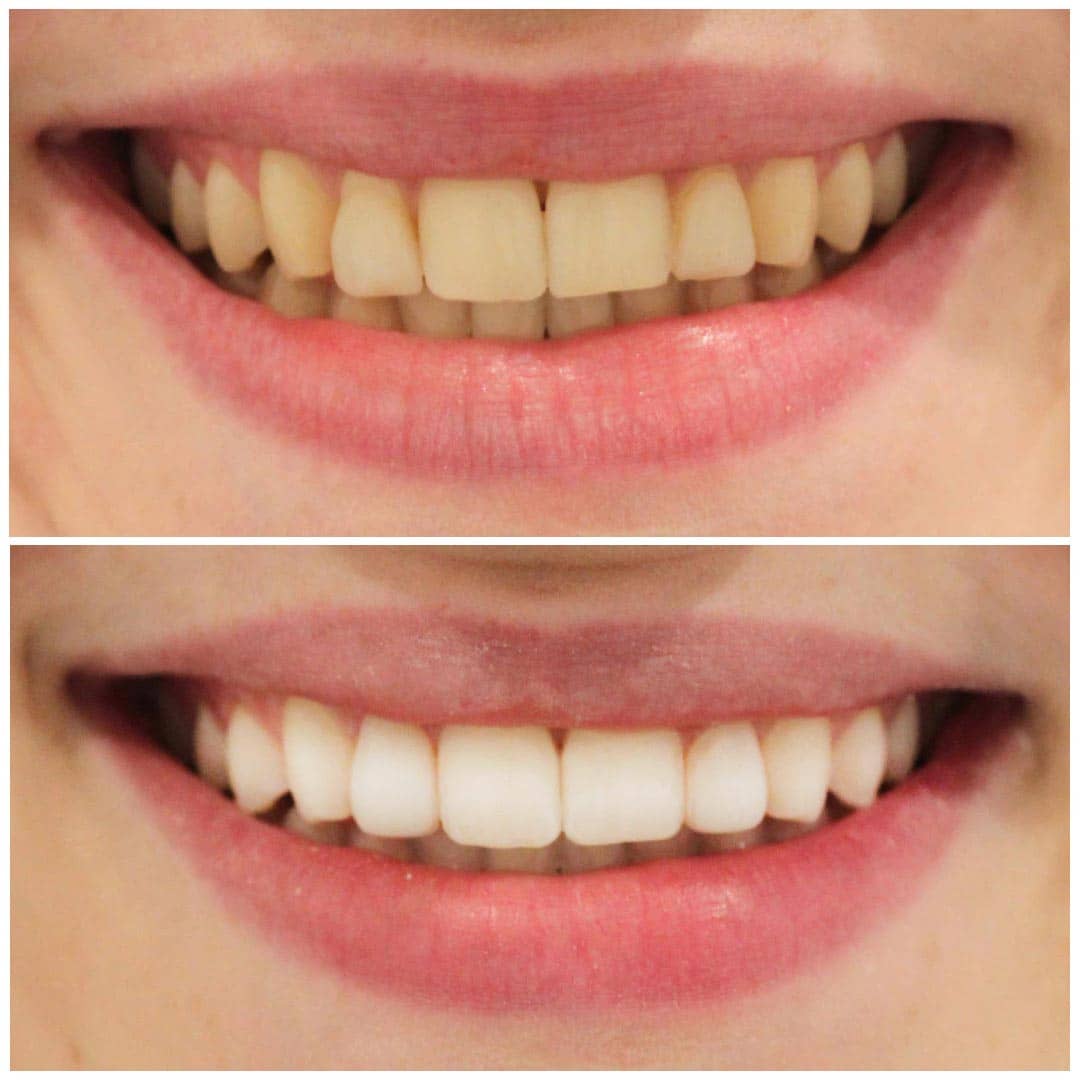
What Is General Dentistry?
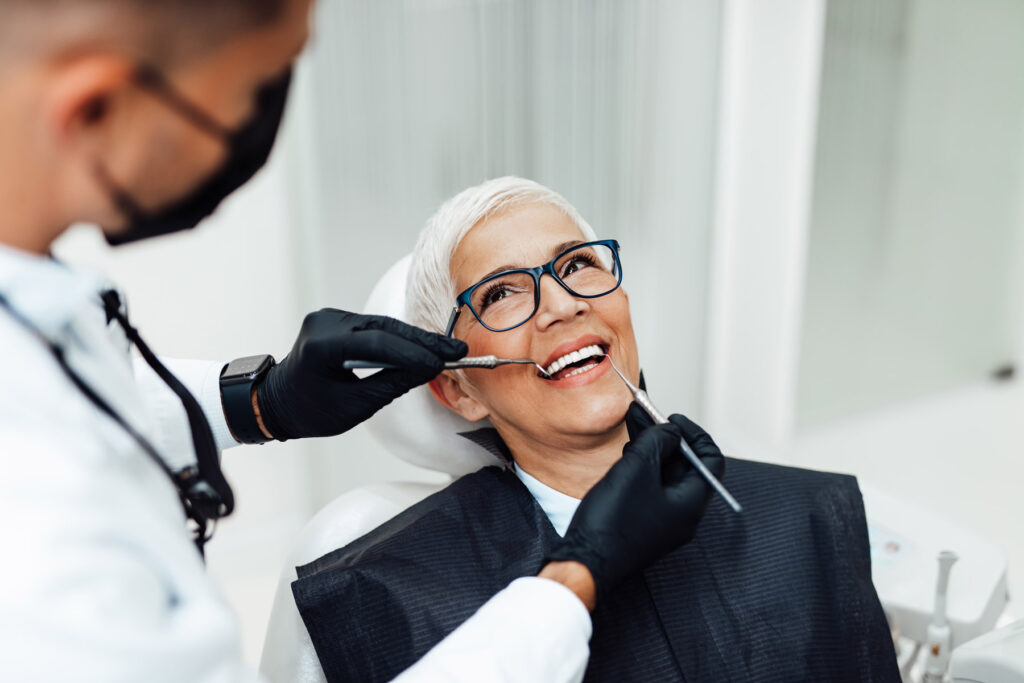
General dentistry is the foundation of oral health. A general dentist is your primary dental care provider, the professional you see for routine visits, preventive care, and the diagnosis and treatment of common dental problems. Think of a general dentist the way you think of a family physician: they manage your overall oral wellness and refer you to specialists when needed.
General dentists complete four years of dental school after their undergraduate degree, earning either a Doctor of Dental Surgery (DDS) or Doctor of Dental Medicine (DMD). According to the American Dental Association, these two degrees represent the same level of education and training, the title simply depends on the university that awarded it.
The primary mission of general dentistry is prevention and function. The goal is to keep your teeth and gums healthy, catch problems early, and restore your mouth to proper working order when issues arise.
Common General Dentistry Services
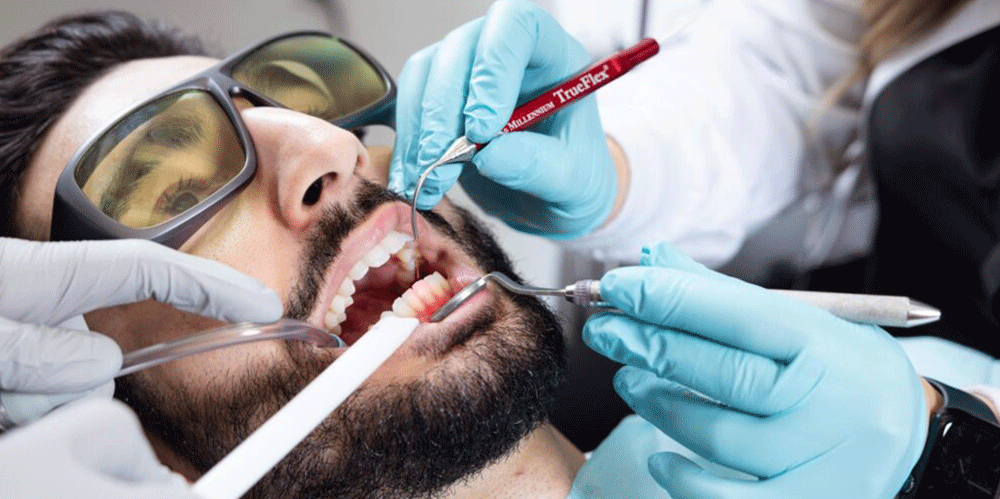
A general dental practice handles the everyday needs that keep your smile healthy and pain-free. Typical services include:
- Routine dental cleanings and exams, usually every six months to remove plaque and tartar buildup
- Digital X-rays and oral cancer screenings to catch hidden problems early
- Cavity fillings to treat tooth decay before it spreads
- Root canal therapy to save infected or damaged teeth
- Tooth extractions, including wisdom teeth removal
- Gum disease treatment for gingivitis and periodontitis
- Dental crowns and bridges to restore broken or missing teeth
- Fluoride treatments and dental sealants, especially for children
- Custom mouthguards and night guards for teeth grinding (bruxism)
- Treatment of dental emergencies like abscesses and broken teeth
The thread that connects all of these services is preventive and restorative care. General dentistry exists to protect your oral health, relieve pain, and maintain the function you need to eat, speak, and live comfortably.
When to See a General Dentist
You should see a general dentist for your twice-yearly checkups and any time you experience a functional problem with your teeth or gums. Signs that warrant a visit include tooth pain, bleeding gums, sensitivity to hot or cold, a chipped or cracked tooth, persistent bad breath, or a loose filling. Because general dentists emphasize early detection, regular visits often prevent small issues from becoming expensive, painful problems down the road.

What Is Cosmetic Dentistry?
Cosmetic dentistry focuses on improving the appearance of your teeth, gums, and overall smile. While general dentistry is concerned primarily with health and function, a cosmetic dentist is concerned with aesthetics, the color, shape, size, alignment, and symmetry of your smile.
It’s important to understand that “cosmetic dentist” is not an officially recognized dental specialty in the way orthodontics or oral surgery are. Any licensed dentist can offer cosmetic procedures. However, dentists who focus on cosmetic work often pursue additional training, continuing education, and accreditation through organizations such as the American Academy of Cosmetic Dentistry, which sets standards for excellence in smile design and esthetic dentistry.
The best cosmetic results come from clinicians who combine artistic skill with a deep understanding of dental health, because a beautiful smile that isn’t healthy won’t last. This is where the line between cosmetic and general dentistry begins to blur, a topic we’ll explore in detail below.
Popular Cosmetic Dental Procedures
Modern smile makeovers can address nearly any aesthetic concern. The most common cosmetic dentistry treatments include:
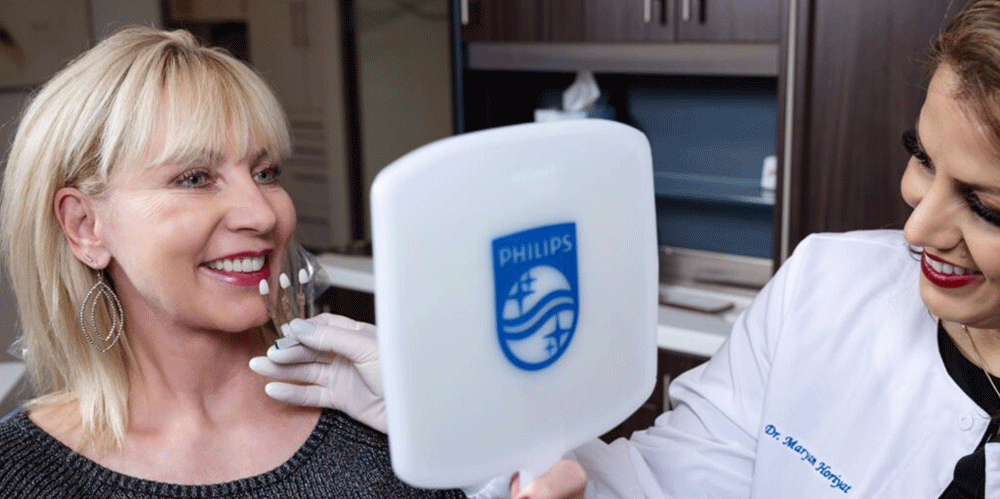
- Professional teeth whitening, in-office or take-home systems that brighten stained or discolored teeth far beyond drugstore products
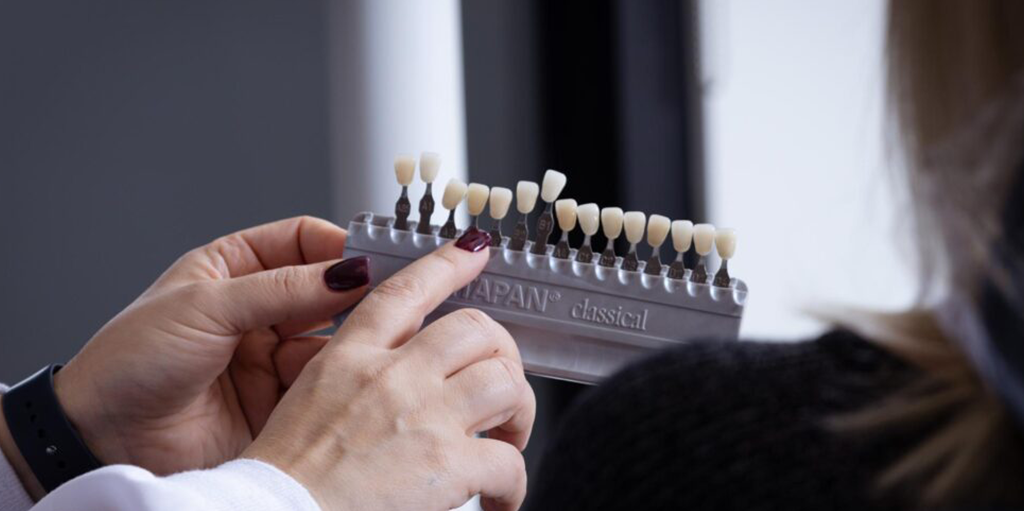
- Porcelain veneers, thin, custom shells bonded to the front of teeth to correct chips, gaps, discoloration, and minor misalignment
- Dental bonding, tooth-colored composite resin used to repair chips and reshape teeth in a single visit
- Inlays and onlays, custom restorations that repair damaged teeth while preserving a natural look
- Tooth-colored fillings, metal-free alternatives to traditional amalgam fillings
- Gum contouring, reshaping a “gummy” smile for better proportion
- Smile makeovers, comprehensive treatment plans that combine several procedures for a complete transformation
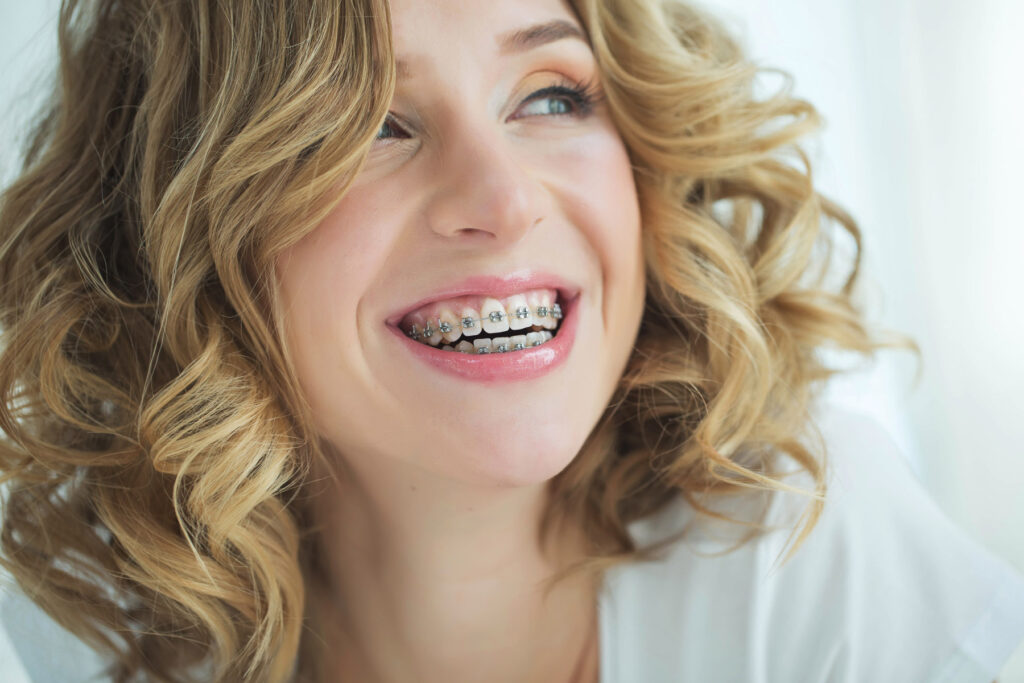
- Clear aligners such as Invisalign, straightening teeth discreetly without metal braces
- Cosmetic dental implants, replacing missing teeth with natural-looking restorations
While these procedures are designed to enhance appearance, many also deliver functional benefits. Straighter teeth are easier to clean, and replacing a missing tooth protects the surrounding teeth from shifting.
Is Cosmetic Dentistry Right for You?
Cosmetic dentistry is elective, meaning you choose it to improve how your smile looks rather than to treat disease. You may be a good candidate if you feel self-conscious about stained, chipped, crooked, gapped, or worn-down teeth. Before recommending any cosmetic treatment, a responsible dentist will first confirm that your teeth and gums are healthy. Whitening over untreated decay or placing veneers on an unstable foundation only creates problems later, which is why the best cosmetic outcomes start with a solid foundation of general dental health.
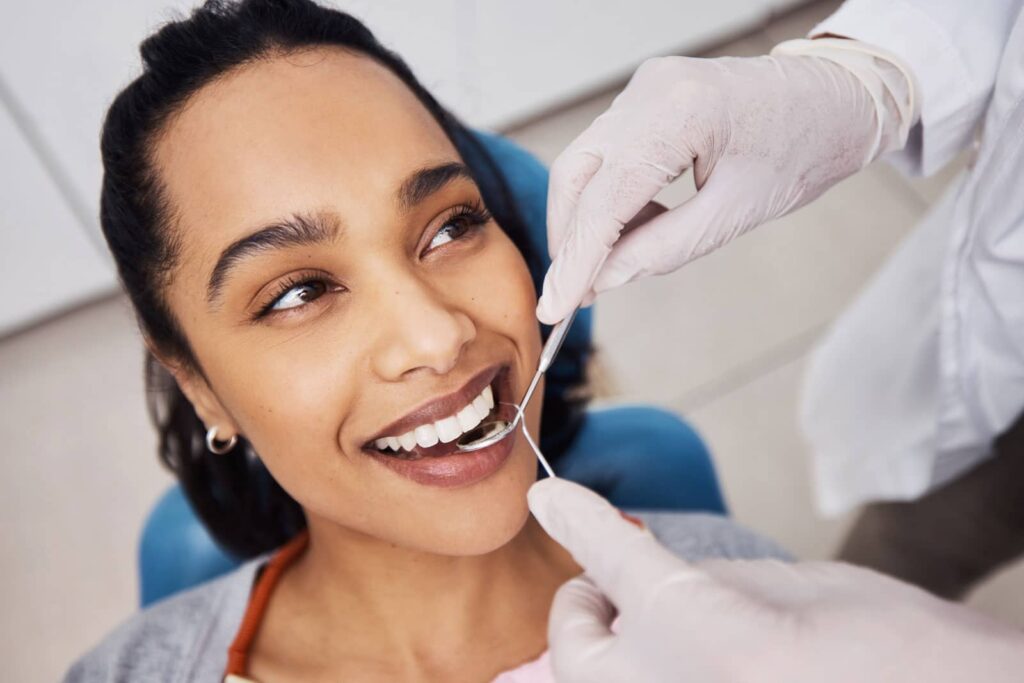
Cosmetic Dentistry vs. General Dentistry: Key Differences
Now that we’ve defined each branch, let’s compare them directly. Understanding the difference between cosmetic and general dentistry comes down to four main factors: purpose, procedures, training, and cost.
| Factor | General Dentistry | Cosmetic Dentistry |
| Primary goal | Health, function, prevention | Appearance, aesthetics |
| Nature of care | Usually necessary | Usually elective |
| Common services | Cleanings, fillings, root canals, extractions | Whitening, veneers, bonding, smile makeovers |
| Insurance coverage | Often covered | Rarely covered |
| Recognized specialty? | Primary care provider | Not an official specialty |
Let’s break each of these down further.
Purpose and Goals
The clearest distinction in the cosmetic dentistry vs general dentistry comparison is intent. General dentistry exists to keep your mouth healthy, preventing disease, treating decay, and restoring function so you can chew and speak without pain. Cosmetic dentistry exists to make your smile look better. One prioritizes wellness; the other prioritizes beauty. In practice, the two goals frequently work together, but the underlying purpose is what separates them.
Procedures and Treatments
General dental procedures tend to be medically necessary, a filling stops decay, a root canal saves an infected tooth, and a deep cleaning treats gum disease. Cosmetic procedures are typically optional enhancements chosen to refine your appearance. A general dentist might place a crown to protect a cracked molar (function), while a cosmetic dentist might place porcelain veneers to perfect your front teeth (aesthetics). The procedures sometimes use similar materials and techniques, but the reason behind them differs.
Training and Credentials
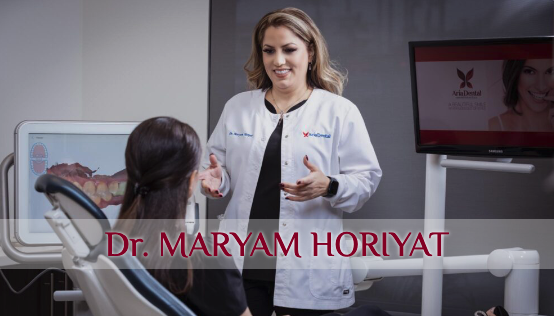
Every cosmetic dentist starts as a general dentist, they share the same foundational DDS or DMD education and licensing. The difference lies in additional training. Dentists who emphasize cosmetic work often complete advanced coursework in smile design, materials science, occlusion, and esthetic techniques. At Aria Dental Care, Dr. Maryam Horiyat holds her DDS along with advanced credentials including AIAOMT (Accreditation through the International Academy of Oral Medicine and Toxicology) and CIABDM certification in biological dental medicine, reflecting training that bridges both health-focused and aesthetic, biocompatible dentistry.
When choosing a cosmetic provider, look for evidence of continuing education, before-and-after case galleries, and membership in respected professional organizations.
Cost and Insurance
Cost is one of the most practical differences between the two. Because general dentistry treats health problems, dental insurance plans typically cover a significant portion of cleanings, exams, fillings, and many restorative procedures. Cosmetic dentistry, being elective, is usually not covered by insurance, patients generally pay out of pocket for whitening, veneers, and smile makeovers. That said, when a procedure serves both functional and aesthetic purposes (such as a crown on a damaged tooth), partial coverage may apply. Always confirm coverage details with your provider before treatment.
Where General and Cosmetic Dentistry Overlap
Here’s where many patients get confused: the line between general and cosmetic dentistry isn’t always sharp. Several procedures live comfortably in both worlds, serving health and beauty simultaneously. This overlap is the bridge that connects the two disciplines.
Consider these examples:
- Dental crowns restore a broken tooth’s function and can be color-matched for a seamless, natural appearance.
- Dental implants replace missing teeth to preserve jawbone health and fill gaps for a complete smile.
- Tooth-colored fillings treat decay and blend invisibly with your natural teeth.
- Inlays and onlays repair structural damage and maintain an attractive look.
- Clear aligners straighten teeth for easier cleaning and improve your smile’s symmetry.
This is precisely why so many practices, including ours, offer comprehensive care that blends both philosophies. A truly skilled dentist doesn’t treat health and appearance as separate goals, they recognize that a healthy smile and a beautiful smile are deeply connected. Restorative dentistry, which sits at the intersection of function and form, is the best illustration of this principle.
The National Institute of Dental and Craniofacial Research, part of the National Institutes of Health, emphasizes that good oral health supports overall well-being, reinforcing the idea that the healthiest smile is also one you’ll feel confident sharing.
How to Choose Between a Cosmetic and General Dentist
So which type of dentist do you actually need? The answer depends on your goals. Here’s a simple way to decide.
Start With Your “Why”
Ask yourself what’s prompting the visit:
- If you have pain, decay, a dental emergency, or you’re overdue for a checkup, you need general dentistry first. Address health before aesthetics.
- If your teeth are healthy but you’re unhappy with how your smile looks, cosmetic dentistry is your path forward.
- If you have both functional and aesthetic concerns, look for a practice that offers comprehensive care under one roof.
Look for a Practice That Does Both
The most convenient and effective approach is choosing a dental office that integrates general, restorative, and cosmetic services. This continuity means your provider already knows your dental history, can sequence treatments in the healthiest order, and ensures that any cosmetic work rests on a stable, disease-free foundation. You avoid the hassle of coordinating between multiple offices, and your care stays consistent.
Questions to Ask Before You Book
When evaluating a dentist for cosmetic or restorative work, consider asking:
- What training and credentials do you have in cosmetic and biological dentistry?
- Can I see before-and-after photos of similar cases?
- What materials do you use, and are they biocompatible and metal-free?
- Will you assess my overall oral health before recommending cosmetic procedures?
- What are the costs, and which portions might my insurance cover?
The answers will tell you whether a practice prioritizes long-term health alongside beautiful results, exactly what you want from any dental provider.
The Biological & Holistic Difference at Aria Dental Care
When comparing cosmetic dentistry vs general dentistry, there’s a third dimension many patients overlook: the materials and philosophy behind the care. This is where biological dentistry, sometimes called holistic or biocompatible dentistry, stands apart.
Biological dentistry recognizes that your oral health is connected to your whole-body health. Rather than treating the mouth in isolation, it considers how dental materials and procedures affect your overall wellness. For patients who care about what goes into their bodies, this approach matters.
At Aria Dental Care, our holistic philosophy shapes both our general and cosmetic work. That includes:
- Metal-free, biocompatible materials, we favor tooth-colored, body-friendly restorations over traditional metal options
- Mercury-safe protocols, for patients who want amalgam fillings safely removed and replaced
- Zirconia vs. titanium implant options, giving patients a metal-free ceramic alternative for tooth replacement
- Minimally invasive techniques that preserve as much natural tooth structure as possible
- An emphasis on prevention and whole-body wellness
This philosophy doesn’t replace general or cosmetic dentistry, it elevates both. Whether you’re coming in for a routine cleaning or a complete smile makeover, biocompatible care means your health stays at the center of every decision. For many of our Orange County patients, this is the deciding factor that makes holistic dentistry feel like the right fit.

Why Experience and Expertise Matter (The EEAT Factor)
Choosing a dentist isn’t just about the services on the menu, it’s about the experience and judgment behind them. The same procedure can produce vastly different outcomes depending on the clinician’s skill, training, and attention to detail.
Dr. Maryam Horiyat brings extensive training across holistic, biological, cosmetic, implant, and reconstructive dentistry, supported by accreditation from leading professional organizations. This breadth means patients receive care that integrates health and aesthetics rather than treating them as competing priorities. When a single provider understands prevention, restoration, and smile design, you get treatment plans that are coordinated, conservative, and built to last.
That integrated expertise is the real answer to the cosmetic-versus-general question: the best care often isn’t an either/or choice. It’s a provider who can deliver healthy function and beautiful results together, with materials and methods chosen for your long-term wellbeing.
Common Myths About Cosmetic and General Dentistry
A few persistent misconceptions cloud the cosmetic dentistry vs general dentistry conversation. Clearing them up helps you make smarter decisions about your care.
- Myth: Cosmetic dentistry is purely vanity. In reality, many cosmetic treatments improve function and oral health, straighter teeth are easier to clean, and replacing missing teeth prevents bite problems.
- Myth: General dentists can’t do cosmetic work. Most general dentists offer common cosmetic services like whitening and bonding. The difference is depth of training and focus, not capability.
- Myth: Veneers ruin your natural teeth. When placed conservatively by a skilled dentist, modern veneers preserve healthy tooth structure and can last for many years.
- Myth: Whitening is the same everywhere. Professional, dentist-supervised whitening is far stronger, safer, and longer-lasting than over-the-counter strips and gels.
- Myth: Cosmetic results don’t last. With proper care and quality, biocompatible materials, cosmetic restorations can remain beautiful for a decade or more.
Understanding the truth behind these myths empowers you to ask better questions and set realistic expectations, whether you’re booking a routine exam or planning a full smile transformation.
The Bottom Line
When it comes to cosmetic dentistry vs general dentistry, you don’t have to choose between a healthy smile and a beautiful one. General dentistry keeps your mouth functioning and disease-free, cosmetic dentistry refines how your smile looks, and the two work best together. The right provider blends both, ideally with biocompatible, holistic materials that protect your whole-body health along the way.
If you’re in Orange County and weighing your options, the team at Aria Dental Care is here to help you understand your choices and build a treatment plan around your goals. Whether you need a routine checkup, a complete smile makeover, or metal-free, biological care that puts your wellness first, we’ll guide you every step of the way.
Ready to take the next step toward a healthier, more confident smile? Contact Aria Dental Care today to schedule your consultation.