





There is a particular kind of quiet dread that builds when someone has not seen a dentist in five, ten, or even twenty years. The gap starts small. A move, a job change, a lapse in insurance, one appointment rescheduled and then forgotten. Then one day the calendar math becomes uncomfortable, and the thought of sitting in a dental chair feels less like routine healthcare and more like a confession.
Before reading another word, here is the most important thing to understand: the purpose of a first dental visit after a long absence is not judgment. It is information. A good dental team is not counting the years. They are looking at what is happening in the mouth right now and mapping the shortest, gentlest path back to health.
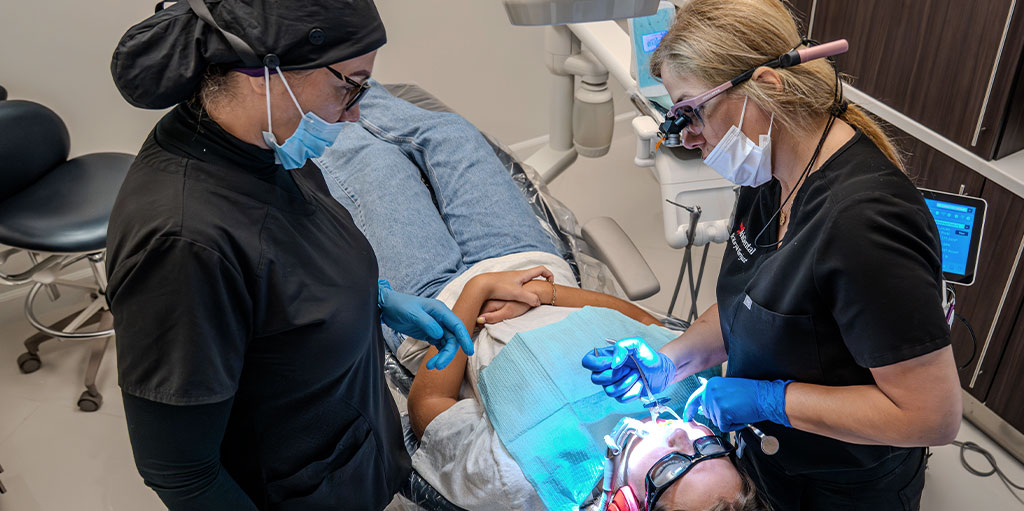
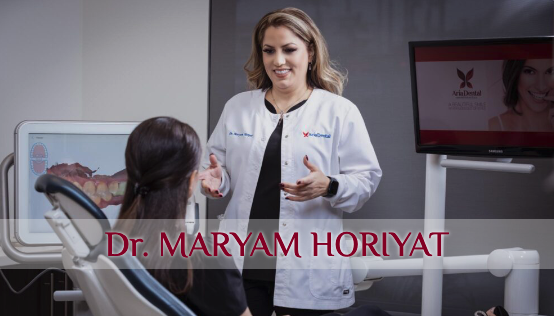
This guide walks through exactly what happens during a first dental visit as an adult, what the appointment feels like from arrival to checkout, which findings are common after years away, and how to prepare so the experience feels manageable rather than overwhelming. At Aria Dental Care in Mission Viejo, Dr. Maryam Horiyat and her team see returning patients constantly, and the pattern holds: the anticipation is almost always worse than the appointment itself.
Why So Many Adults Delay the First Dental Visit for Years
Understanding why the gap happened matters, because the reason usually shapes what the first appointment should look like.
The most common reasons people stay away
- Dental anxiety or a bad past experience. A painful procedure, a dismissive provider, or a childhood memory of being held still can create avoidance that lasts decades. This is genuinely common and nothing to apologize for. It is also the reason sedation and relaxation options exist.
- Cost and insurance gaps. Losing dental coverage is one of the strongest predictors of a long absence from care.
- Embarrassment. Many adults believe their mouth is uniquely bad and that a hygienist will visibly react. In practice, dental teams have seen every version of every situation.
- No pain, no problem. Teeth and gums stay quiet until they are not. Cavities, cracks, and gum disease routinely progress for years without a single symptom.
- Time and logistics. Caregiving, shift work, and travel push preventive appointments to the bottom of the list.
- Questions about materials and toxicity. A growing number of adults avoid conventional offices specifically because they have concerns about mercury amalgam, metals, or BPA, and they have not found a practice that takes those questions seriously. For those patients, the search for the right holistic and biological dentist is often the real reason for the delay, not fear of the chair.
What the delay actually costs
The tradeoff of waiting is that small problems become larger ones. A cavity caught early may need a conservative metal-free filling. The same cavity five years later may need a porcelain crown or endodontic treatment. Early gum inflammation is reversible with professional cleaning and improved home care, while advanced periodontitis causes permanent bone and tooth loss.
The Centers for Disease Control and Prevention reports that periodontal disease affects a substantial share of American adults over age 30, with prevalence climbing sharply in older age groups. Their oral health data is published at cdc.gov/oral-health.
None of this is meant to produce guilt. It explains why the first dental visit back is worth scheduling now rather than after another year of deliberation.
What Happens During Your First Dental Visit After a Long Break
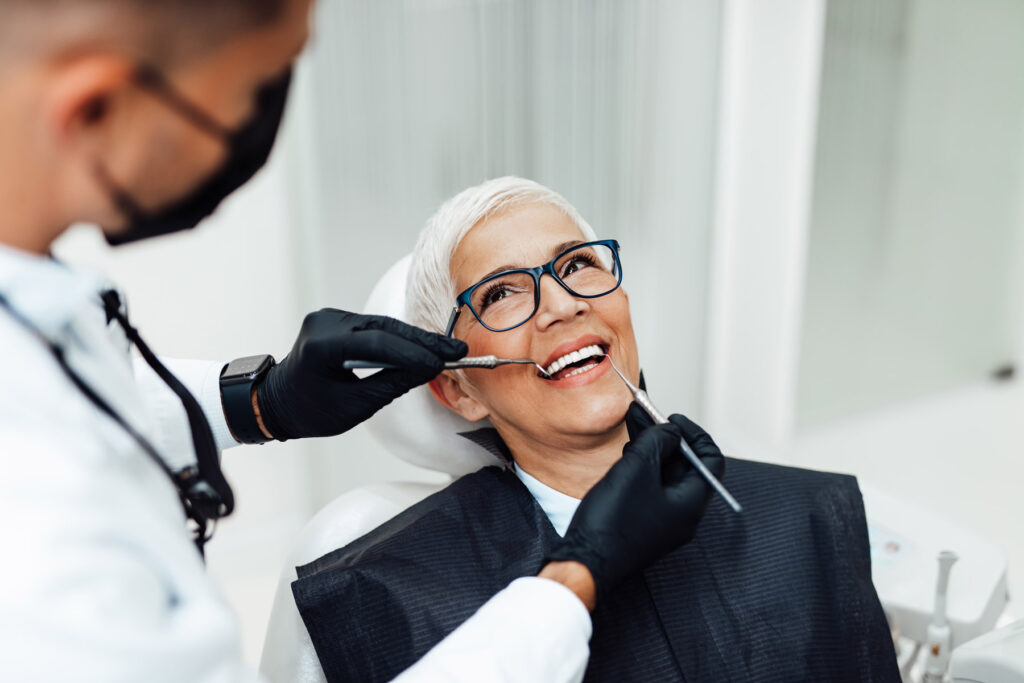
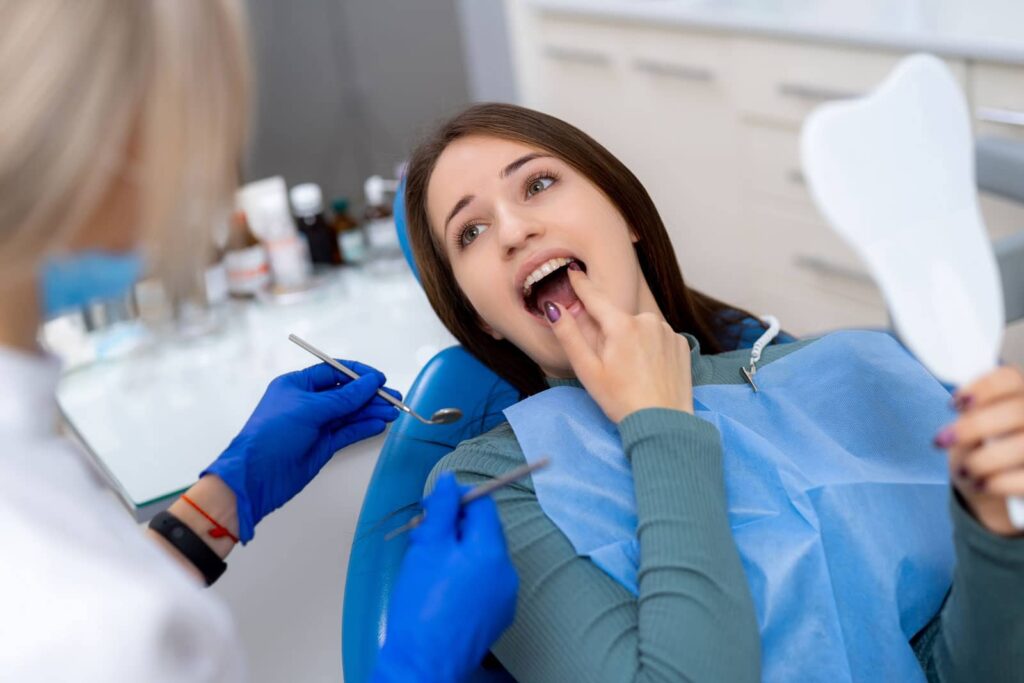
A comprehensive new patient exam is longer and far more thorough than the quick check-up most people remember. Expect roughly 60 to 90 minutes. Very little of it involves anything sharp.
Paperwork and medical history
The visit begins with health history, and this is not a formality. Blood pressure, medications, autoimmune conditions, diabetes, pregnancy, acid reflux, sleep quality, and any history of chemotherapy or radiation all change how the mouth behaves and how treatment should be planned. Dry mouth caused by a common antidepressant, for example, dramatically accelerates decay, and knowing that changes the entire prevention strategy.
Completing the new patient forms online before arriving saves time and lets the clinical team review the history in advance. Bring a current medication list including supplements, insurance information if applicable, and the name of any previous dental office so records and older radiographs can be requested.
The conversation before the exam
At a well-run practice, a conversation happens before any instrument touches a tooth. This is the moment to say plainly: it has been a long time, and there is anxiety about this. That single sentence changes the whole appointment. It tells the team to slow down, explain each step, and check in more often.
It is also the moment to state goals. Some patients want comfort and function restored. Some want to keep every natural tooth as long as possible. Some want a cosmetic outcome ahead of a wedding or a career change. Some want the most biocompatible materials available and nothing else. Those goals shape the plan that follows.
Digital X-rays and imaging
Radiographs are the only way to see between teeth, below the gumline, and inside bone. After years without care, a full series or panoramic image is usually necessary to establish a baseline. Modern digital sensors use a fraction of the radiation of older film systems, and protective shielding is standard. Aria Dental’s imaging and diagnostic technology is built around getting the most diagnostic information from the lowest reasonable exposure.
Expect some combination of:
- Bitewing images to detect decay between teeth and check bone levels
- Periapical images to view the full root and surrounding bone of specific teeth
- Panoramic imaging for a wide view of the jaws, sinuses, wisdom teeth, and joints
- Cone beam CT (3D imaging) when implants, extractions, airway concerns, or suspected bone pathology are involved
The American Dental Association’s patient resource at mouthhealthy.org offers a plain-language overview of dental imaging for anyone who wants to read more beforehand.
The comprehensive clinical exam
The dentist then examines every tooth surface for decay, cracks, wear facets, and failing restorations. Old fillings and crowns are checked for leakage at the margins, which is among the most common findings after a long absence. Existing dental work has a finite lifespan, and restorations placed twenty years ago frequently need attention regardless of how careful the home care has been.
Periodontal evaluation
This is the part that surprises returning patients most. A small probe measures the space between each tooth and the gum, six points per tooth, and every number is recorded. Healthy readings generally fall in the one to three millimeter range. Deeper pockets, bleeding on probing, and recession indicate active periodontal disease.
The measurements can feel odd and may cause slight bleeding in inflamed areas, but they are not painful in healthy tissue. This chart becomes the baseline every future appointment is compared against, which is precisely why it matters so much at a first dental visit.
Oral cancer screening
The dentist examines the tongue, floor of the mouth, cheeks, palate, throat, and the lymph nodes along the neck and jaw. It takes about two minutes and is one of the most valuable things that happens during the entire appointment. The National Institute of Dental and Craniofacial Research maintains research-backed information on oral cancer at nidcr.nih.gov.
Bite, jaw joint, and airway assessment
A thorough exam looks beyond individual teeth. The dentist evaluates how the teeth come together, whether there is evidence of clenching or grinding, whether the jaw joints click or deviate, and whether tongue position, tonsil size, and arch shape suggest a compromised airway. Worn front teeth, morning headaches, and a scalloped tongue border are the kinds of findings that connect to TMJ and orofacial pain or to sleep and airway concerns rather than to brushing habits.
Photos and digital scans
Intraoral photographs and digital impressions are increasingly standard. They let patients see exactly what the dentist sees on a screen, which turns an abstract explanation into something concrete. For anyone who has felt talked at rather than talked to in a dental office, this is a meaningful shift.
Will You Get a Cleaning at Your First Dental Visit?
This is the single most common question from returning patients, and the honest answer is: sometimes.
When a routine cleaning happens the same day
If the gums are healthy, pocket depths are shallow, and buildup is moderate, a standard dental cleaning is often completed during the same visit. Plaque and calculus are removed with hand instruments and ultrasonic scalers, the teeth are polished, and home care technique is reviewed.
When a deeper treatment is recommended first
If the periodontal chart shows deep pockets, bleeding, and calculus below the gumline, a standard cleaning is not the appropriate treatment. Scaling and root planing, often called a deep cleaning, addresses bacteria and hardened deposits on the root surfaces beneath the gums. It is typically completed across two visits with local anesthetic, one side of the mouth at a time. In more advanced cases, LANAP laser gum therapy offers a less invasive alternative to traditional gum surgery.
Patients occasionally suspect this recommendation is an upsell. The clinical logic is worth understanding instead: polishing the visible surfaces of a tooth while active infection sits four or five millimeters below the gumline treats the appearance and leaves the disease in place. The measurements on the chart drive the recommendation, and any patient is entitled to see those numbers and have them explained tooth by tooth.
What a cleaning feels like after many years
More buildup means more time, and gums inflamed for years will bleed more during the appointment. That bleeding signals inflammation, not damage being done. Soreness for a day or two afterward is normal, and gum tissue typically begins firming within one to two weeks of consistent home care. Numbing is always available for any part of the appointment, and asking for it is entirely reasonable.
How a Holistic Dental Exam Adds Another Layer
For patients seeking biological and integrative care, a first dental visit at Aria Dental Care includes considerations a conventional exam may not cover.
Materials and biocompatibility
A biological approach prioritizes materials selected for how the body responds to them. In practice that means metal-free, tooth-colored restorations, ceramic and zirconia options in place of metal where clinically appropriate, and a willingness to discuss material selection in detail rather than defaulting to whatever is standard. For patients with known sensitivities or autoimmune conditions, biocompatibility testing can be discussed during planning.
Safe amalgam removal
Many adults returning after a long absence have silver amalgam fillings placed decades ago, and many of those fillings are now cracked or leaking. Dr. Horiyat is IAOMT accredited and follows the SMART protocol for safe amalgam removal, which uses isolation, high-volume suction, supplemental air, and protective barriers to reduce exposure during removal.
Precision matters here. Major regulatory bodies consider existing amalgam fillings safe for most patients, and the FDA has issued specific guidance identifying certain higher-risk groups. Aria Dental Care’s practice philosophy favors biocompatible alternatives and protective removal protocols. Patients are encouraged to review the available evidence and make an informed choice rather than being pressured in either direction.
Ozone therapy and laser dentistry
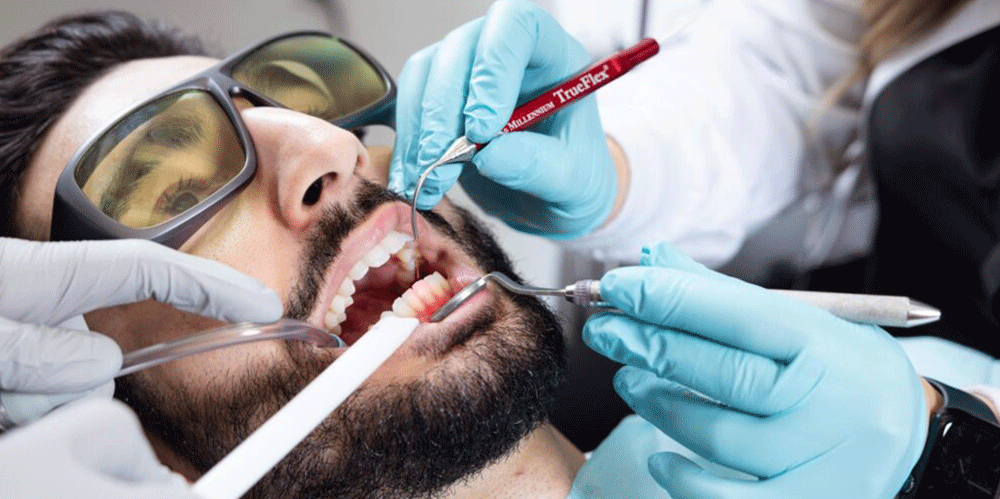
Ozone and oxygen therapy can be used as an adjunct in managing early decay and periodontal infection. Dental lasers allow treatment of gum disease and soft tissue procedures with less bleeding and often without a scalpel. For anxious patients, reducing the need for injections and sutures in certain procedures is a meaningful benefit.
The whole-body view
A holistic exam treats oral health as connected to systemic health. Research links periodontal inflammation with cardiovascular disease, diabetes control, and pregnancy outcomes. Airway and sleep concerns get evaluated rather than ignored. Nutrition, saliva quality, and oral pH are discussed as part of decay prevention rather than treating brushing as the only variable. Where a tooth has been diagnosed as non-vital, alternatives to root canal therapy are presented alongside conventional options so the choice belongs to the patient. These connections represent areas of active research and practice philosophy, and a responsible office presents them as associations worth taking seriously rather than as settled cause and effect.
Common Findings After Years Away From Dental Care
Knowing what is likely to come up removes much of the fear of the unknown.
- Gum disease at some stage. The most frequent finding by far. Early and moderate stages respond well to treatment.
- Cavities between teeth. Invisible without X-rays and extremely common after years without imaging.
- Failing old restorations. Fillings and crowns from the 1990s and 2000s are often at or past the end of their functional life.
- Wear from clenching and grinding. Flattened, chipped, or shortened teeth point to a bite or stress issue that a custom nightguard may address.
- Recession and sensitivity. Exposed root surfaces cause cold sensitivity and decay vulnerability, and gum recession treatment can restore coverage in suitable cases.
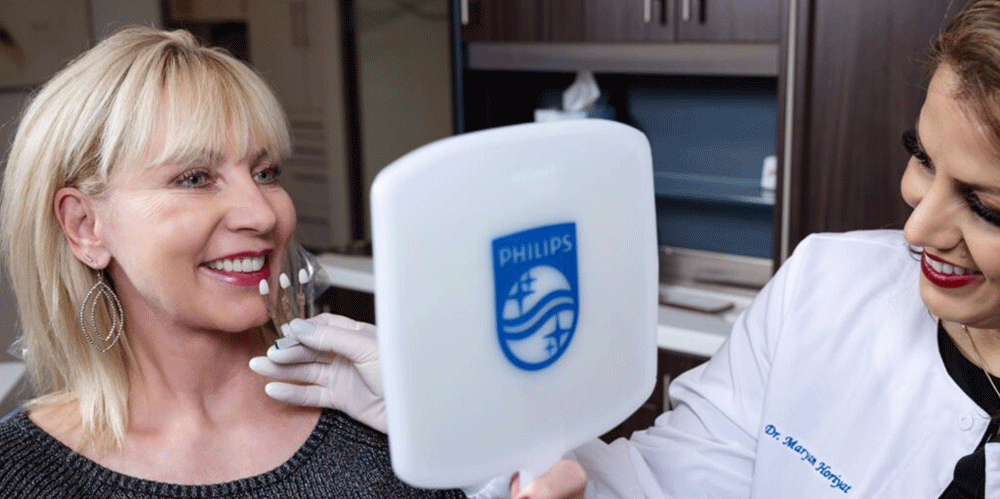
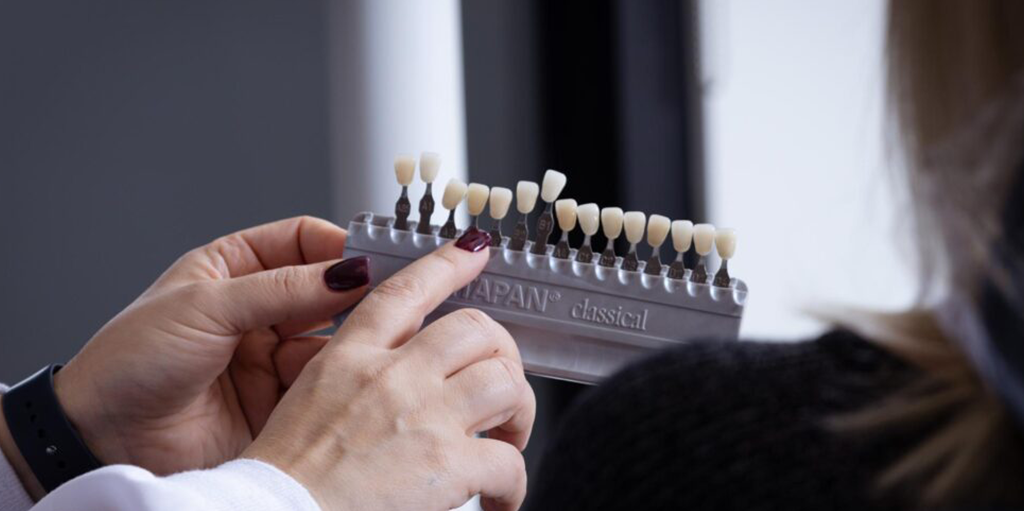
- Staining. Coffee, tea, red wine, and tobacco produce surface staining that professional cleaning and teeth whitening often address substantially.
- Wisdom teeth. Partially erupted or impacted third molars may have caused bone changes or decay in the neighboring molar, and wisdom teeth extraction may be recommended.
- Nothing serious at all. This genuinely happens. Some patients with favorable genetics and consistent home care return after a decade needing only a cleaning.
What Happens After the Exam: Understanding Your Treatment Plan
Once the exam and imaging are complete, findings are reviewed together. A good treatment plan presentation puts the images on screen and explains what each finding means, what happens if it is treated, and what happens if it is not.
Phasing the work
Seeing a long list of recommended treatment is genuinely overwhelming. This is where phasing matters. Treatment is normally organized into stages:
- Urgent care. Infection, pain, abscess, or a fractured tooth is handled first.
- Disease control. Active gum disease and decay are treated to stop progression.
- Restorative work. Damaged and missing teeth are rebuilt with fillings, crowns, bridges, or implants.
- Cosmetic refinement. Whitening, veneers, and bonding follow once health is established.
- Maintenance. A cleaning interval and home care routine are set to hold the result.
Phases one and two are the clinically necessary parts. Everything after can be paced over months or years according to budget and priority. Every patient is entitled to ask directly: what must be done now, what can wait six months, and what is optional.
Costs, insurance, and financing
Ask for a written estimate that separates insurance coverage from out-of-pocket cost. Aria Dental Care provides insurance verification before treatment and offers payment and financing options for larger plans. Ask what happens if something is discovered mid-treatment that changes the estimate. Transparency about money is a legitimate marker of a trustworthy practice, and a team that becomes evasive when asked about cost is telling you something useful.
Second opinions
Requesting a second opinion on a large treatment plan is normal and reasonable. A confident practice provides copies of X-rays and records without friction.
How to Prepare for Your First Dental Visit
Before the appointment
- Write down every question and symptom, including ones that seem minor. Cold sensitivity, a spot that catches floss, jaw clicking, and morning headaches are all relevant.
- Gather medications, supplements, and the name of any prior dental office.
- Confirm insurance details in advance so cost is not a mid-appointment surprise.
- Skip the urge to over-brush aggressively the night before. Scrubbed-raw gums make the exam more uncomfortable and hide nothing.
- Eat beforehand, particularly if numbing may be involved.
Managing dental anxiety
Anxiety is a clinical consideration, not a character flaw. Strategies that genuinely help:
- Say it out loud at booking. Ask the front desk to note it in the chart so the whole team knows before you arrive.
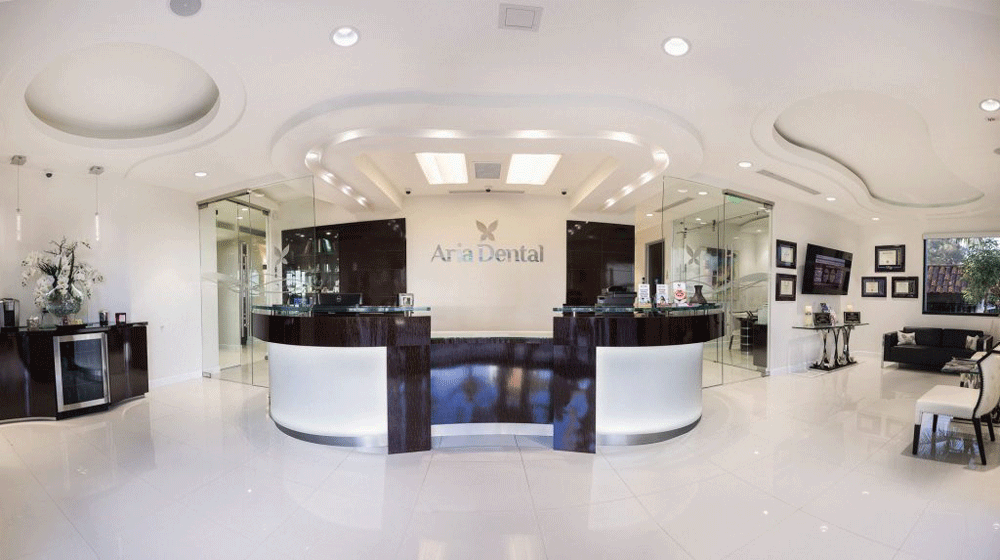
- Book a consultation first. Some patients schedule a conversation with no treatment at all, simply to meet the dentist and see the office. A virtual office tour can take the edge off before that first step.
- Agree on a stop signal. A raised hand that reliably pauses the appointment restores a sense of control, which is usually the core issue.
- Bring headphones. Music or a podcast blocks the sounds that trigger the strongest associations.
- Ask about sedation. From nitrous oxide to oral sedation, several options exist and suit many patients. Suitability depends on medical history and is determined during the health review.
- Schedule for your best time of day. A first appointment of the morning avoids a whole day spent anticipating it.
Questions worth asking
- What did the periodontal measurements show, and which teeth are the concern?
- Which findings are urgent, and which can be monitored?
- What materials will be used, and why those materials?
- What are the alternatives to the recommended treatment, including doing nothing?
- What should the home care routine look like between now and the next visit?

Building a Rhythm After the First Visit
The purpose of the first dental visit back is to establish a baseline and stop active disease. What follows determines whether the mouth stays healthy.
Most adults do well on a six-month cleaning interval. Patients with a treated history of periodontal disease are typically placed on a three or four month periodontal maintenance schedule, because the bacteria responsible repopulate pockets within roughly that window. This is not an arbitrary upsell but the interval supported by periodontal research for patients with prior disease.
Between visits, fundamentals do most of the work: brushing twice daily with a soft brush, cleaning between the teeth every day with floss or interdental brushes, managing dry mouth, limiting the frequency of sugar and acid exposure rather than only the quantity, and addressing clenching if present.
The second appointment after a long absence is almost always easier than the first. By then the unknown has been replaced by a plan, the team is familiar, and the numbers on the chart usually start moving in the right direction.
Scheduling Your First Dental Visit at Aria Dental Care
Returning to dental care after years away takes more resolve than most people give themselves credit for. Aria Dental Care in Mission Viejo provides comprehensive new patient exams in a holistic, biological practice environment, with attention to biocompatible materials, safe amalgam removal protocols, laser and ozone options, and airway-focused evaluation. Patients curious about the difference in approach can read what sets the practice apart or browse patient experiences.
Dr. Maryam Horiyat, DDS, AIAOMT, CIABDM, and the team welcome patients who have been away for a long time and who want their questions taken seriously.
Aria Dental Care 27652 Crown Valley Pkwy, Mission Viejo, CA 92691 Phone: (949) 364-9600 Book an appointment | Contact us