





Have you ever bitten down on a piece of aluminum foil and felt a sudden, sharp jolt of pain or a strange metallic sensation shoot through your mouth? That jarring experience, unpleasant as it is, is a brief, accidental encounter with a phenomenon that millions of people with metal dental restorations may be living with chronically, often without ever receiving a diagnosis.
It is called oral galvanism, and it is one of the most underrecognized conditions in both conventional dentistry and mainstream medicine today.
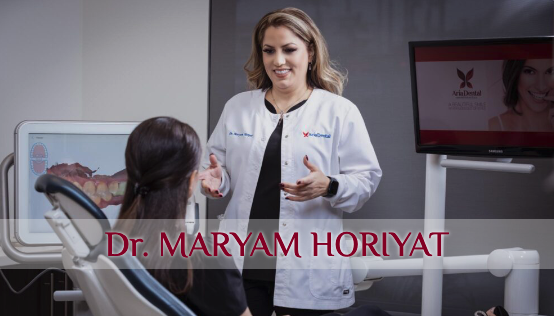
At Aria Dental Care, our founder Dr. Maryam Horiyat, a board-certified holistic and biological dentist accredited by the International Academy of Oral Medicine and Toxicology (IAOMT) and the International Academy of Biological Dentistry and Medicine (IABDM), believes that every patient with metal fillings, crowns, or implants deserves to understand this phenomenon fully. Because what begins as a strange metallic taste or an occasional jolt of discomfort can, over time, silently erode your neurological stability, immune resilience, and overall systemic health.
This comprehensive guide covers everything you need to know about oral galvanism: what it is, why it happens, the full spectrum of symptoms it can produce, how it is diagnosed, and, critically, what you can do about it.
What Is Oral Galvanism?
Oral galvanism, sometimes called “battery mouth” or electrogalvanism, is the generation of measurable electrical currents inside the oral cavity caused by the presence of two or more dissimilar metals interacting in the electrolytic environment of saliva.
The term derives from Luigi Galvani, the 18th-century Italian physicist who discovered that electrical current could be produced by the contact of different metals in a moist, conductive medium. Your mouth, it turns out, creates exactly those conditions. Saliva is a remarkably efficient electrolyte, an electrically conductive fluid rich in dissolved ions. When two or more metals with different electrochemical potentials are present in that fluid simultaneously, the same chemical principles that power a household battery begin to operate inside your head.
The metals involved are not unusual or exotic. They are the everyday materials of conventional dentistry:
- Amalgam fillings, composed of mercury, silver, tin, copper, and zinc
- Gold crowns and inlays
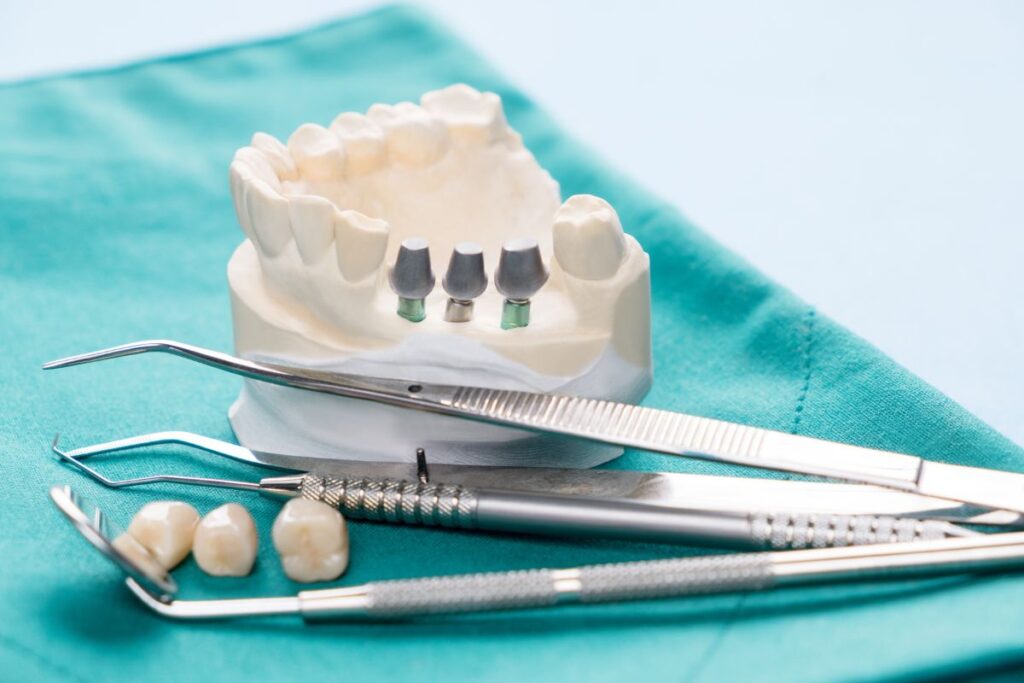
- Titanium dental implants
- Nickel-chromium or cobalt-chromium alloy crowns and bridges
- Metal clasps on partial dentures
- Stainless steel orthodontic brackets or retainers
When any combination of these materials coexists in the same mouth, often placed by different dentists years or even decades apart, the electrochemical conditions for oral galvanism are established. The electrical currents produced are small in absolute terms, typically measured in millivolts (mV) or microamperes (µA). But they are constant, they are sustained over years and decades, and the biological tissues of the mouth, jaw, and brain are extraordinarily sensitive to even minute electrical disruptions.
How Does a Galvanic Current Form in the Mouth?
Understanding the mechanics of oral galvanism helps explain why it can produce such a wide range of seemingly unrelated symptoms throughout the body.
Every metal has a characteristic electrochemical potential, essentially, a measurable tendency to either donate or accept electrons in a chemical reaction. When two metals with different electrochemical potentials are placed in contact within a conductive medium (saliva), the metal with lower potential becomes the anode (it corrodes and loses electrons) and the metal with higher potential becomes the cathode (it receives those electrons). The resulting flow of electrons between the two metals constitutes an electrical current, the same principle that makes a battery work.
In the mouth, this process is called galvanic corrosion, and it operates continuously. The rate and intensity of the galvanic current are influenced by:
- The specific metals involved, the greater the difference in electrochemical potential between two metals, the stronger the galvanic current. Gold and mercury amalgam, for example, are among the most galvanically incompatible pairing commonly found in dental practice.
- The surface area of each metal, larger metal restorations produce more pronounced galvanic effects.
- The acidity of saliva, a more acidic oral environment (created by diet, bacteria, acid reflux, or dehydration) increases the electrical conductivity of saliva and intensifies galvanic reactions.
- Physical contact between restorations, when an upper and lower metal restoration make direct contact during chewing or biting, the galvanic circuit is “shorted,” producing an immediate, acute burst of electrical discharge experienced as a sharp jolt or pain.
The National Institutes of Health (NIH) has published peer-reviewed research specifically examining oral galvanism in patients with dental implants, confirming that measurable galvanic currents are generated by mixed-metal restorations and that these currents have documented biological consequences, including galvanic corrosion of the metals themselves and potential effects on surrounding oral tissues.
Common Oral Galvanism Symptoms You Should Know
This is where oral galvanism becomes genuinely alarming, because its symptom profile is broad, systemic, and routinely misattributed to other conditions. Many patients spend years cycling through neurological, rheumatological, and psychiatric evaluations without ever receiving a diagnosis that considers their dental metals as a root cause.
Oral and Local Symptoms
- Metallic or salty taste in the mouth, often the first and most reliable indicator of active galvanic corrosion
- Burning mouth syndrome, a chronic burning or scalding sensation on the tongue, gums, or inner cheeks with no apparent dental cause
- Increased salivary flow, the body’s attempt to dilute and clear corrosion byproducts
- Tingling or numbness around areas of metal dental work
- Acute pain or shock when metal restorations make contact during biting
- Gum inflammation and irritation localized around metal restorations
- Visible changes to oral mucosa, white or discolored patches near metal fillings
Neurological and Systemic Symptoms
The neurological reach of oral galvanism is one of its most troubling and least understood dimensions. The continuous low-level electrical current produced by galvanic reactions in the mouth operates in close proximity to major cranial nerves, including the trigeminal nerve, the most extensive cranial nerve system in the human body, as well as the brain itself.
Documented neurological symptoms associated with oral galvanism include:
- Chronic headaches and migraines
- Irregular heartbeat (cardiac arrhythmia)
- Tinnitus (ringing in the ears)
- Dizziness and vertigo
- Insomnia and sleep disturbances
- Chronic fatigue
- Impaired memory and cognitive fog
- Mental confusion and difficulty concentrating
- Numbness or tingling in the face, jaw, or extremities
- Depression, anxiety, and mood instability
Important Note: These symptoms can also be caused by many other conditions unrelated to dental metals. Oral galvanism is one possible contributing factor, not the only explanation. A thorough evaluation by a qualified biological dentist, in coordination with your physician, is essential for proper diagnosis.
The Systemic Health Impact of Galvanic Shock
Beyond the direct electrical effects, oral galvanism creates a cascade of secondary biological consequences that can affect systemic health in profound ways.
Bacterial Amplification
Research has demonstrated that bacteria actively seek out areas of the mouth where galvanic currents are being discharged. The electrical activity creates a microenvironment that is particularly hospitable to pathogenic bacteria, leading to accelerated plaque formation around metal restorations, increased risk of periodontal disease in those areas, and a self-reinforcing cycle: more bacteria produce more acidic waste, which makes saliva more acidic, which intensifies galvanic reactions, which attracts more bacteria.
Disruption of Cellular Communication
Every cell in the human body relies on precisely regulated bioelectrical signaling for normal function, from nerve impulse transmission to immune cell activation to tissue repair. The stray electrical currents produced by oral galvanism interfere with this delicate cellular communication infrastructure. This disruption is particularly concerning in tissues that are anatomically adjacent to the sources of galvanic activity: the brain, cranial nerves, jaw muscles, and lymph nodes of the head and neck.
Meridian Interference
From a holistic and traditional Chinese medicine perspective, one that an increasing number of biological dentists incorporate into their diagnostic framework, each tooth sits on a specific acupuncture meridian that connects it to corresponding organs and tissues throughout the body. The electrical disturbance generated by galvanic currents in the mouth is understood to interfere with the energetic flow along these meridians, potentially contributing to dysfunction in organs that appear to have no direct relationship to dentistry. This is one reason why patients with oral galvanism sometimes report improvements in seemingly unrelated health conditions, thyroid function, digestive health, hormonal balance, following the safe removal of metal dental restorations.
Immune System Activation
Research published in peer-reviewed journals has found that patients with mixed metal dental restorations show elevated levels of metal-reactive immune cells (lymphocytes). A landmark clinical study of 513 patients found that replacing incompatible metal restorations significantly reduced metal-reactive lymphocyte counts and led to measurable improvements in systemic health markers. This suggests that galvanic corrosion triggers a chronic, low-grade immune response that quietly depletes immune resources over time.
The Mercury Connection: Amalgam Fillings and Galvanic Corrosion
No discussion of oral galvanism is complete without addressing dental amalgam, the silver-colored filling material that is composed of approximately 50% mercury by weight, along with silver, tin, copper, and zinc. Amalgam has been the subject of significant scientific scrutiny and regulatory action for decades.
From a galvanic standpoint, amalgam is particularly problematic for two compounding reasons:
First, mercury amalgam has a relatively low electrochemical potential, making it highly reactive in galvanic couples, especially when paired with gold, which has a high electrochemical potential. The gold-mercury pairing is one of the most galvanically active combinations found in human dentistry, capable of generating substantial continuous electrical current.
Second, galvanic corrosion actively accelerates mercury release from amalgam fillings. The electrical current generated by the galvanic reaction degrades the amalgam alloy, releasing not only mercury vapor (which is continuously produced by amalgam at baseline) but also free mercury droplets and abraded amalgam particles directly into the oral environment, where they are absorbed through the oral mucosa and gastrointestinal tract.
The U.S. Food and Drug Administration (FDA) has updated its guidance on dental amalgam, recommending that certain high-risk groups, including pregnant women, nursing mothers, children under six, and individuals with kidney impairment or mercury sensitivity, avoid amalgam fillings entirely. The FDA’s evolving position reflects growing recognition of the systemic health implications of mercury exposure from dental restorations.
In patients who have both amalgam fillings and gold crowns, oral galvanism becomes a mechanism that continuously amplifies mercury exposure beyond the baseline levels produced by amalgam alone, making the combination of gold and amalgam particularly inadvisable from a biological dentistry standpoint.
How Is Oral Galvanism Diagnosed?
Oral galvanism is frequently missed in conventional dental and medical practice because most clinicians are not trained to recognize its symptom pattern or to perform the specialized measurements required to detect it. Patients whose symptoms mimic neurological conditions are often referred to neurologists; those with chronic fatigue or mood symptoms may spend years in psychiatric treatment, without anyone connecting the dots to their dental metals.
Diagnostic Methods Used in Biological Dentistry
Galvanic current measurement: A biological dentist can use a calibrated multimeter or dedicated galvanometer to measure the electrical potential difference between metal restorations in millivolts (mV) and the actual current flow in microamperes (µA). Normal oral tissues generate essentially no measurable electrical potential. Readings above established thresholds indicate active galvanic current production.
Comprehensive dental and medical history review: Because oral galvanism symptoms are often systemic and nonspecific, a thorough review of when symptoms began relative to when specific dental restorations were placed can be enormously informative. Many patients recall the onset of their most troubling symptoms, fatigue, cognitive fog, mood changes, correlating with a specific dental procedure.
Elimination testing: In some cases, the sequential removal or replacement of specific metal restorations, followed by careful monitoring of symptom changes, provides the most definitive diagnostic evidence. Improvement following removal of a suspected galvanic couple strongly suggests that oral galvanism was a contributing factor.
Biocompatibility testing: Blood or serum testing for metal-reactive immune cells (lymphocyte reactivity testing) can identify specific metals to which a patient’s immune system has mounted a measurable response, providing objective evidence of systemic metal sensitivity and guiding the choice of replacement materials.
At Aria Dental Care, Dr. Horiyat integrates these diagnostic approaches within a comprehensive holistic evaluation, one that considers not just the mouth in isolation, but the patient’s full systemic health picture.
Treatment and Prevention: The Holistic Approach to Oral Galvanism
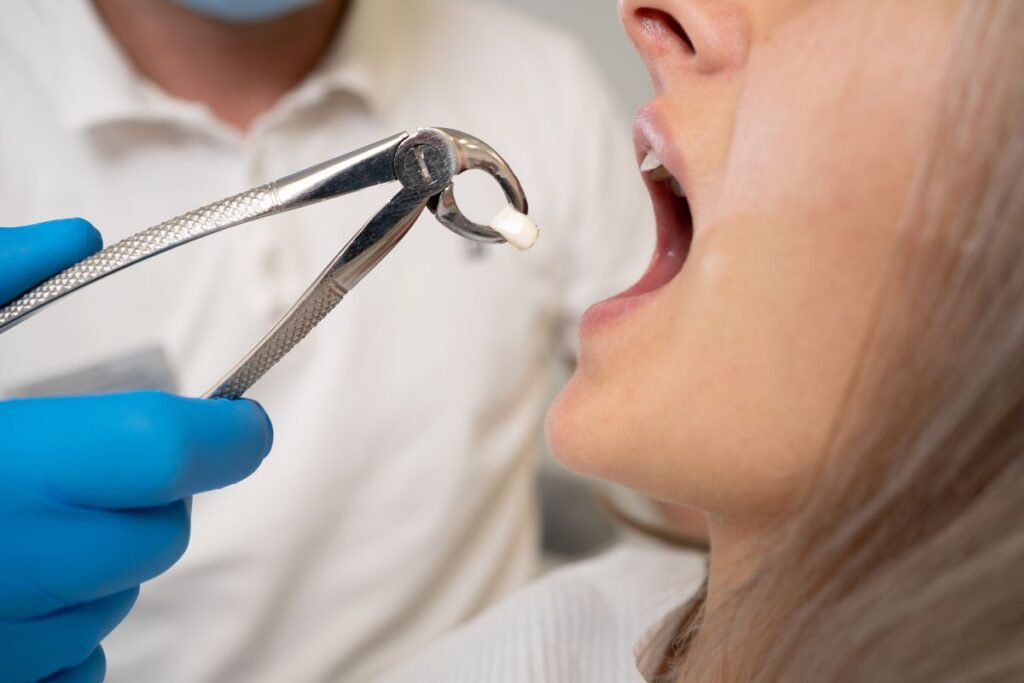
Once oral galvanism has been identified as a contributor to a patient’s symptoms, the treatment pathway is logically clear: safely remove the incompatible metal restorations and replace them with biocompatible, non-metallic alternatives. However, the removal process itself requires careful planning and expert execution, because improper removal of amalgam fillings, in particular, can temporarily expose the patient to far higher levels of mercury vapor than they would experience from simply leaving the filling in place.
Safe Amalgam Removal: The SMART Protocol
Dr. Horiyat is a certified SMART (Safe Mercury Amalgam Removal Technique) practitioner, a protocol developed by the International Academy of Oral Medicine and Toxicology (IAOMT) that employs a specific, evidence-based set of protective measures during amalgam removal to minimize mercury vapor exposure for both the patient and the clinical team.
SMART protocol elements include:
- Rubber dam isolation, physically containing mercury vapor and particles within the treatment area
- Sectioning technique, removing amalgam in large chunks rather than grinding, which dramatically reduces mercury vapor generation
- High-volume suction, capturing mercury particles before they can be inhaled or swallowed
- Air purification, using high-efficiency filtration systems in the operatory during removal
- Protective supplementation, recommending pre- and post-removal supplementation with activated charcoal, chlorella, and other compounds that support mercury binding and elimination
Sequencing the Removal
In patients with multiple metal restorations, the order in which metals are removed matters. Biological dentists experienced with oral galvanism typically use galvanic current measurements to identify the most electrically active restorations and prioritize their removal first, as these are the restorations producing the most biological disruption.
Systemic Support After Removal
For patients who have been living with significant oral galvanism for years or decades, safe removal of the dental metals is the beginning of the healing process, not the end. Depending on the individual’s health history and laboratory findings, Dr. Horiyat may recommend:
- Nutritional support for detoxification pathways (Vitamin C, glutathione, N-acetyl cysteine)
- Heavy metal chelation support in coordination with an integrative medicine physician
- Gut microbiome support, as the gastrointestinal tract is a primary route of mercury excretion and is often compromised in patients with chronic mercury exposure
- Immune system support, particularly important for patients whose immune systems have been chronically activated by metal-reactive inflammation
Metal-Free Alternatives at Aria Dental Care
At Aria Dental Care, we have built our entire restorative philosophy around the principle of biocompatibility, using only materials that the human body can coexist with harmoniously, without generating electrical, toxic, or immune reactions. This means our practice is completely free of amalgam, metal-based crowns, and titanium implants.
Composite Resin Fillings
Our tooth-colored composite fillings are free of mercury, metal, and BPA. They bond directly to tooth structure, require less removal of healthy tooth tissue than amalgam, and produce zero galvanic current. They are also visually indistinguishable from natural teeth.
All-Ceramic and Zirconia Crowns
For teeth requiring crowns, we use high-strength, all-ceramic or zirconia restorations, materials that are biocompatible, electrically inert, and aesthetically superior to metal-based alternatives. Zirconia crowns offer exceptional durability, are compatible with MRI imaging, and eliminate any risk of galvanic corrosion.
Zirconia (Ceramic) Dental Implants
Perhaps the most significant innovation in biological implant dentistry is the emergence of zirconia (ceramic) dental implants as a fully viable alternative to titanium. Zirconia is a metal-free ceramic material with outstanding biocompatibility, it is electrically non-conductive, meaning it cannot participate in galvanic reactions. It also integrates with bone tissue (osseointegration) comparably to titanium, and its white color eliminates the gray shadow at the gumline that can appear with titanium implants over time.
For patients concerned about oral galvanism, particularly those who already have other metal restorations, zirconia implants represent the most biologically responsible implant option available in modern dentistry.
Frequently Asked Questions About Oral Galvanism
Is oral galvanism a widely recognized dental condition?
Oral galvanism is a real, measurable, and scientifically documented electrochemical phenomenon. It is not a fringe concept, it has been the subject of peer-reviewed research in journals including the Journal of Oral Rehabilitation, Neurological Research, and publications indexed in PubMed and the National Institutes of Health database. However, awareness and diagnostic training varies significantly between practitioners. Conventional dentists may not test for galvanic currents or recognize the systemic symptom patterns associated with oral galvanism, whereas biological and holistic dentists specifically trained in this area are far more likely to identify and address it. If you suspect oral galvanism is affecting your health, seek evaluation from a dentist with formal training in biological or holistic dentistry.
Can I have oral galvanism even if I don’t feel any obvious symptoms?
Yes, and this is one of the reasons oral galvanism is so insidious. Many patients produce measurable galvanic currents without experiencing dramatic acute symptoms like metallic taste or pain. Instead, the biological consequences unfold gradually and subtly: slowly accumulating mercury from corroding amalgam, a quietly activated immune system, mild but persistent neurological effects that are easy to attribute to aging, stress, or other lifestyle factors. The absence of obvious symptoms does not mean galvanic activity is absent or harmless. If you have mixed metal restorations, particularly amalgam alongside any gold or titanium work, requesting a galvanic current evaluation from a biological dentist is worthwhile regardless of current symptom status.
How much does it cost to treat oral galvanism?
Treatment costs vary depending on the number and type of restorations requiring replacement, the complexity of each case, and whether specialized protocols (such as SMART amalgam removal) are required. At Aria Dental Care, we provide comprehensive treatment planning consultations that include a full assessment of your existing restorations and a transparent, itemized cost breakdown before any treatment begins. In many cases, replacing older metal restorations with modern, high-quality ceramic alternatives also delivers cosmetic improvements, whiter, more natural-looking teeth, that patients consider an added benefit. We encourage you to contact our team to discuss your specific situation.
Is it safe to have amalgam fillings removed?
Yes, when removal is performed correctly, by a trained and certified practitioner using the SMART protocol. The primary risk associated with amalgam removal is the temporary spike in mercury vapor exposure that occurs during drilling. The SMART protocol, developed by the IAOMT, was specifically designed to minimize this risk through a combination of physical barriers, high-volume evacuation, and operational techniques that reduce vapor generation. Dr. Horiyat is IAOMT-certified in safe amalgam removal and follows these protocols rigorously for every patient. Untrained or improperly executed amalgam removal, by contrast, can expose patients to significantly elevated mercury levels, which is why choosing a properly certified biological dentist for this procedure is critically important.
Will removing my metal restorations definitely resolve my symptoms?
The relationship between oral galvanism, dental metals, and systemic health symptoms is real and well-documented, but it is also individualized. In clinical studies of patients with mixed metal restorations who underwent safe replacement with biocompatible materials, a significant proportion reported meaningful reductions in neurological and systemic symptoms. However, outcomes vary based on how long the galvanic exposure has persisted, what metals were involved, the patient’s individual genetics and detoxification capacity, and whether other contributing health factors are present. Dr. Horiyat approaches each case as a comprehensive whole-health evaluation, not a simple extraction, and works in collaboration with integrative medicine colleagues when systemic detoxification support is indicated. Patients are counseled honestly about realistic expectations before treatment begins.
Aria Dental Care | Orange County’s #1 Holistic, Biological & Cosmetic Dental Office Dr. Maryam Horiyat, DDS, AIAOMT, CIABDM · Mission Viejo, CA ariadentalcare.com | Book an Appointment