






If your gums bleed when you brush, feel swollen, or seem to be pulling away from your teeth, you are not imagining it, and you are not alone. According to theCenters for Disease Control and Prevention (CDC), nearly half of all adults over the age of 30 in the United States have some form of periodontal disease. Among adults 65 and older, that number climbs to over 70 percent.
The good news? You do not have to wait passively between dental appointments. A thoughtful combination of periodontitis home remedies, practiced consistently, can meaningfully reduce inflammation, slow bacterial overgrowth, and support the healing your gums desperately need. And when guided by a holistic dental philosophy, these natural strategies align with your whole-body health, not just your mouth.
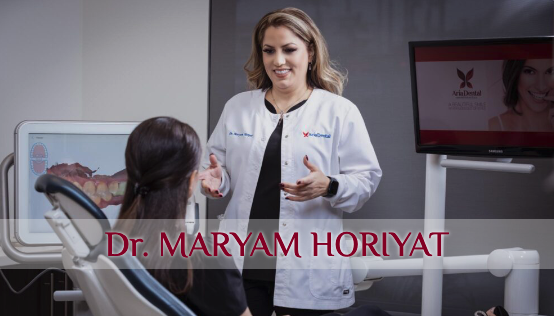
At Aria Dental Care, under the expert care of Dr. Maryam Horiyat, DDS, AIAOMT, CIABDM, we believe that true oral wellness is inseparable from overall systemic health. In this comprehensive guide, we walk you through seven evidence-informed home remedies for gum disease, explain what the science actually says, clarify when professional intervention becomes essential, and give you the tools to make genuinely informed decisions about your gum health.
Understanding Periodontitis: Why Home Care Matters
Periodontitis is not simply “bad gums.” It is a serious, chronic inflammatory infection of the tissues that support your teeth, including your gums, the periodontal ligament, and the underlying alveolar bone. It begins as gingivitis, a reversible inflammation of the gum tissue caused by plaque accumulation. When gingivitis is left untreated, the infection migrates below the gumline, forming periodontal pockets where bacteria thrive undisturbed. This is where periodontitis takes hold.
Once the disease advances beyond gingivitis, it cannot be fully reversed, only managed and stabilized. That is precisely why at-home care is so critical: not just to soothe existing symptoms, but to actively prevent progression and preserve the bone and tissue you still have.
What Is a Periodontal Pocket? A healthy gum pocket measures 1–3 millimeters. In patients with periodontitis, these pockets can deepen to 5 mm, 7 mm, or more, creating warm, oxygen-deprived spaces where the most destructive anaerobic bacteria flourish. Home care strategies aim to reduce bacterial load in these pockets and calm the chronic inflammatory response that drives tissue destruction.
Beyond tooth loss, periodontitis has well-established links to systemic diseases. Research from theNational Institute of Dental and Craniofacial Research (NIDCR) has associated periodontal disease with cardiovascular disease, diabetes, adverse pregnancy outcomes, and respiratory illness. Treating your gums is, in a very real sense, investing in your whole-body health.
Warning Signs You Should Never Ignore
Many people do not realize they have periodontitis until the disease has progressed significantly, because early-stage gum disease is often painless. Knowing the warning signs can prompt earlier intervention, which dramatically improves outcomes.
Common signs of gum disease and periodontitis include:
- Gums that bleed when brushing or flossing
- Persistent bad breath (halitosis) that does not resolve with brushing
- Red, swollen, or tender gums that look puffy or shiny
- Gum recession, teeth appear longer than they used to
- Loose or shifting teeth, or changes in your bite
- Painful chewing or increased tooth sensitivity
- Pus between teeth and gums
Important Disclaimer: The periodontitis home remedies discussed in this article are supportive measures, not substitutes for professional dental diagnosis and treatment. If you are experiencing any of the symptoms above, please schedule a periodontal evaluation with a qualified dentist before relying on home care alone. Advanced periodontitis requires professional intervention that home remedies simply cannot replicate.
7 Effective Periodontitis Home Remedies
The following home remedies for gum disease are supported by clinical evidence, widely recommended by dental professionals, and form the cornerstone of any responsible at-home periodontal care routine. Used consistently and correctly, they can reduce bacterial load, ease gum inflammation, and support the healing process between professional cleanings.

1. Saltwater Rinse for Gum Disease Relief
Saltwater rinsing is one of the oldest, most accessible, and best-documented periodontitis home remedies in existence, and for good reason. The mechanism is elegantly simple: salt creates a hypertonic environment in the mouth that draws fluid out of inflamed gum tissue, reducing swelling and inhibiting the growth of harmful bacteria.
Salt also has natural antiseptic properties that help neutralize the acidic oral environment in which periodontal bacteria thrive. Research confirms that consistent saltwater rinsing can reduce gingival inflammation, lower bacterial counts, and provide meaningful symptomatic relief from gum soreness and swelling.
How to use it:
- Dissolve ½ teaspoon of non-iodized sea salt in 8 ounces (one cup) of warm water
- Swish gently for 30–60 seconds, ensuring the solution reaches all gum areas
- Spit, do not swallow
- Repeat 2–3 times daily, ideally after meals
Note: Do not exceed three rinses per day. Overuse can dry out oral tissues and disrupt the healthy oral microbiome.
2. Oil Pulling: An Ancient Antibacterial Practice
Oil pulling is a traditional Ayurvedic practice that has attracted growing scientific interest as a natural remedy for gum disease. The technique involves swishing a tablespoon of oil, most commonly coconut or sesame, around the mouth for 15–20 minutes to “pull” bacteria, food debris, and toxins from between teeth and along the gumline.
Coconut oil is particularly valuable because it contains lauric acid, a medium-chain fatty acid with well-documented antimicrobial and anti-inflammatory properties. Studies have shown that coconut oil pulling can reduce Streptococcus mutans counts in the mouth, decrease plaque scores, and reduce gingival inflammation over time.
How to use it:
- Use 1 tablespoon of cold-pressed, organic coconut oil
- Swish gently (do not gargle) for 15–20 minutes, start with 5 minutes if it feels too long
- Spit into the trash (not the sink, oil can clog drains)
- Rinse your mouth with warm water before brushing as normal
- Best performed first thing in the morning on an empty stomach
3. Proper Brushing Technique: Your First Line of Defense
Perhaps the most underestimated of all periodontitis home remedies is simply brushing correctly, because most people do not. Studies consistently show that the vast majority of adults brush for less than one minute, miss the gumline entirely, and apply too much pressure, which damages rather than cleans gum tissue.
The modified Bass technique is the gold standard recommended by periodontists for patients with gum disease. It specifically targets the sulcus, the tiny groove between the tooth and gum, where periodontal bacteria colonize.
How to brush for gum health:
- Use a soft-bristle toothbrush, medium and hard bristles cause gum recession
- Hold the brush at a 45-degree angle to the gumline
- Use gentle, small circular or vibrating motions, not aggressive back-and-forth scrubbing
- Brush for a full two minutes, twice daily
- Replace your toothbrush every 3 months
- Consider an electric toothbrush, clinical evidence shows they remove significantly more plaque than manual brushing
4. Daily Flossing: Reaching Where Brushes Cannot
No list of home remedies for periodontal disease is complete without flossing. Toothbrush bristles cannot reach the interproximal spaces between teeth, where up to 40 percent of all tooth surfaces reside. These are precisely the spaces where periodontal disease often begins.
Flossing options for gum disease patients:
- Waxed floss, slides more easily between tight contacts
- Interdental brushes (proxy brushes), excellent for wider spaces and patients with bridges
- Water flossers (oral irrigators), particularly effective for flushing bacterial debris from deeper periodontal pockets
- Floss picks or floss threaders, useful for those with limited dexterity
For patients with diagnosed periodontitis, a water flosser used with an antimicrobial solution, such as diluted chlorhexidine or diluted hydrogen peroxide, as directed by your dentist, can help reduce bacteria in pockets that traditional flossing cannot reach.

5. Antibacterial Mouthwash: Choosing the Right Formula
Using an antibacterial mouth rinse is an important adjunctive home remedy for periodontal disease, particularly for patients who cannot yet achieve thorough mechanical plaque removal through brushing and flossing alone. Mouthwash reaches areas of the mouth that mechanical tools miss and can provide meaningful reductions in bacterial load.
Evidence-based options:
- Chlorhexidine gluconate (0.12%), the most clinically proven antibacterial rinse for periodontal disease; available by prescription. Use for short courses only, as long-term use can stain teeth and alter taste.
- Essential oil-based rinses (e.g., formulas with eucalyptol, thymol, menthol), well-studied over-the-counter options with proven anti-plaque and anti-gingivitis efficacy.
- Herbal and botanical rinses, formulas containing myrrh, aloe vera, or neem align with holistic principles and support gum healing without alcohol or synthetic chemicals.
Avoid alcohol-containing rinses if you have dry mouth, as alcohol further dries oral tissue, a condition that promotes bacterial overgrowth.
6. Turmeric Gel and Clove Oil: Nature’s Anti-Inflammatory Allies
Two botanical agents have earned genuine scientific attention as natural gum inflammation remedies: turmeric (curcumin) and clove oil (eugenol).
Turmeric (Curcumin): Curcumin is one of the most extensively studied natural anti-inflammatory compounds in existence. Research comparing turmeric gel to chlorhexidine gel as an adjunct to scaling and root planing found comparable reductions in gingival inflammation. A simple turmeric paste, turmeric powder mixed with a small amount of coconut oil, applied to swollen gum tissue for 10 minutes, then rinsed away, can provide meaningful relief from gum swelling and discomfort.
Clove Oil (Eugenol): Eugenol, the primary bioactive component of clove, is a natural analgesic (pain reliever) and antimicrobial agent used in dentistry for centuries. Applying a small amount of clove oil to inflamed gum tissue using a cotton swab can relieve pain and temporarily reduce bacterial activity. Use sparingly, as concentrated clove oil can irritate mucous membranes if overused.
7. Hydrogen Peroxide Rinse: Oxygenating the Oral Environment
Periodontal pathogens are predominantly anaerobic, meaning they thrive in low-oxygen environments. A diluted hydrogen peroxide rinse introduces oxygen into the oral environment, creating conditions that are actively hostile to these bacteria.
A 1.5–3% hydrogen peroxide solution (diluted from the standard 3% drugstore variety with equal parts water) can be used as a rinse 2–3 times per week.
Important cautions:
- Never use concentrations above 3% without professional guidance
- Do not use daily or long-term, overuse can irritate oral tissues and disrupt healthy bacteria
- Spit thoroughly, do not swallow
- Ask your dentist before using if you have open sores or ulcers in your mouth
The Holistic Dental Perspective on Gum Disease
At Aria Dental Care, our approach to treating periodontitis naturally goes deeper than a list of rinses and brushing tips. Under the guidance of Dr. Maryam Horiyat, an accredited member of both the International Academy of Oral Medicine and Toxicology (IAOMT) and the International Academy of Biological Dentistry and Medicine (IABDM), we view gum disease as a symptom of imbalance that extends throughout the body.
From a biological dentistry standpoint, effective management of periodontal disease considers:
- Oral microbiome health, supporting beneficial bacterial populations, not simply eliminating all bacteria indiscriminately
- Biocompatible dental materials, avoiding metals and materials that trigger inflammatory or immune responses in susceptible patients
- Ozone therapy, ozone gas and ozonated oils offer powerful antimicrobial benefits without toxic chemical exposure; ozonated coconut oil can be incorporated into at-home maintenance routines
- Toxin avoidance, recognizing that certain dental materials, fluoride formulations, and antiseptics may create their own systemic burdens
- Systemic inflammation, understanding that chronic gum disease both reflects and amplifies whole-body inflammatory states
This philosophy leads to recommendations that complement conventional periodontitis home remedies with a deeper, whole-health lens, which brings us to one of the most overlooked aspects of gum disease management: nutrition and lifestyle.
Nutrition and Lifestyle Habits That Support Gum Health
No home remedy regimen operates in isolation. The same lifestyle factors that promote cardiovascular and metabolic health also profoundly influence your periodontal health.
Nutrients That Directly Support Gum Healing
- Vitamin C, Essential for collagen synthesis, the structural protein of gum tissue. Deficiency is directly linked to increased gingival bleeding and susceptibility to infection. Eat citrus fruits, bell peppers, leafy greens, and kiwi, or supplement with buffered Vitamin C.
- Vitamin D3, This immune-modulating nutrient has emerged as one of the most important factors in periodontal disease risk. Research published in the Journal of Periodontology found strong associations between Vitamin D deficiency and increased severity of periodontal attachment loss. Aim for optimal serum 25(OH)D levels (typically 50–80 ng/mL).
- CoQ10 (Coenzyme Q10), Deficiency of this critical cellular antioxidant has been specifically associated with periodontal disease. CoQ10 supports gum tissue energy metabolism and combats oxidative stress in inflamed gum tissue.
- Omega-3 fatty acids, Found in fatty fish, flaxseed, and walnuts, omega-3s are potent systemic anti-inflammatory compounds that help dampen the chronic inflammatory signaling that drives periodontal tissue destruction.
- Zinc, Supports immune function and wound healing; commonly deficient in patients with chronic inflammatory diseases.
Lifestyle Factors That Worsen Gum Disease
- Smoking and tobacco use, Perhaps the single most significant modifiable risk factor for periodontitis. Smoking impairs blood flow to gum tissue, suppresses immune response, and masks the bleeding that typically signals gum disease. Smokers are up to seven times more likely to develop severe periodontal disease.
- Uncontrolled blood sugar, Diabetes and pre-diabetes create a bidirectional relationship with periodontitis. High blood sugar impairs immune function and healing; untreated periodontitis worsens glycemic control.
- Chronic stress, Elevates cortisol, which suppresses immune defenses and promotes inflammatory responses in gum tissue.
- Mouth breathing, Dries out gum tissue, promotes bacterial overgrowth, and significantly worsens gingival inflammation.
- Sugary and highly processed diets, Feed the bacteria that produce acids and inflammatory byproducts directly at the gumline.
When Periodontitis Home Remedies Are Not Enough
This is perhaps the most important section of this entire guide, because misunderstanding this boundary can lead to irreversible harm.
Home remedies for periodontal disease are effective supportive tools. They can reduce bacterial load, calm inflammation, and meaningfully slow disease progression. But they cannot:
- Remove calculus (hardened tartar) from below the gumline, only professional instruments can do this
- Eliminate established periodontal pockets exceeding 4–5 mm
- Regenerate lost bone tissue
- Diagnose the stage and severity of your disease
- Replace scaling and root planing, the evidence-based first-line professional treatment for periodontitis
If you are experiencing any of the warning signs described earlier in this article, bleeding gums, recession, loosening teeth, or persistent bad breath, please seek professional evaluation promptly. The difference between early professional intervention and delayed treatment is often the difference between saving and losing teeth.
At Aria Dental Care, Dr. Horiyat takes a biological and minimally invasive approach to periodontal treatment. Wherever possible, we prioritize:
- Diode soft tissue laser therapy, destroys bacteria deep within periodontal pockets without cutting or sutures
- Ozone therapy (in-office), penetrates the entire pocket environment to eliminate anaerobic pathogens
- LANAP® (Laser-Assisted New Attachment Procedure), FDA-cleared protocol for periodontal regeneration without traditional surgery; clinically proven to regenerate periodontal bone
- Scaling and root planing (SRP), the foundational professional deep-cleaning procedure that removes subgingival calculus and smooths root surfaces
Periodontal maintenance appointments (every 3–4 months for diagnosed periodontitis patients) are not optional add-ons. They are the structural backbone of long-term gum disease management. Home remedies work best as the daily foundation between these professional visits, not as a replacement for them.
Frequently Asked Questions About Periodontitis Home Remedies
Can periodontitis home remedies actually reverse gum disease?
The answer depends critically on the stage of your disease. Gingivitis, the earliest stage of gum disease, is fully reversible with excellent home care, including consistent brushing, flossing, and antibacterial rinsing. Once gum disease has progressed to periodontitis, however, the structural damage to periodontal tissues and bone cannot be reversed through home remedies alone. At that stage, professional treatment (scaling and root planing, laser therapy, or surgery) is required to stabilize the disease. Home remedies play a crucial role in preventing progression and maintaining stability after professional treatment, but they cannot undo established periodontitis on their own.
How long does it take to see improvement using gum disease home treatments?
With consistent application of proper home care techniques, particularly thorough brushing, daily flossing, and antiseptic rinsing, many patients notice improvements in gum bleeding and swelling within 2–4 weeks. This timeline assumes the disease has not progressed beyond the gingivitis stage. In patients with established periodontitis, home care can reduce symptoms (bleeding, sensitivity, bad breath) over this same period, but it will not address the deeper bacterial reservoirs in periodontal pockets without concurrent professional treatment. The best outcomes combine diligent home care with regular professional periodontal maintenance.
Is oil pulling scientifically proven to help with periodontitis?
Oil pulling has been the subject of a growing body of clinical research. Multiple randomized controlled trials have found that daily oil pulling with sesame or coconut oil produces statistically significant reductions in plaque index scores, gingival index scores, and oral bacterial counts, comparable in some studies to chlorhexidine mouthwash. However, most of these studies address gingivitis rather than established periodontitis, and they use oil pulling as an adjunct to, not a replacement for, conventional oral hygiene. It is a valuable complementary practice, not a standalone treatment for serious gum disease.
What is the best natural mouthwash for gum disease at home?
m a holistic dentistry perspective, the best natural mouthwash for gum disease is one that targets harmful bacteria without disrupting the healthy oral microbiome or introducing unnecessary toxins. Top evidence-based options include:
Diluted hydrogen peroxide (1.5%), for its oxygen-releasing antibacterial properties
Botanical rinses containing myrrh, aloe vera, or tea tree oil, for their natural antimicrobial and anti-inflammatory effects
Essential oil-based rinses (eucalyptol, thymol, menthol), with substantial clinical evidence behind them
For more serious cases, your dentist may recommend prescription chlorhexidine for short-term use. Avoid alcohol-based rinses, which dry out oral tissue and can worsen the microbiome imbalances that contribute to gum disease.
When should I see a holistic dentist instead of managing gum disease at home?
You should schedule a professional periodontal evaluation promptly if you notice any of the following: gums that bleed regularly when brushing or flossing; persistent bad breath that does not resolve; visible gum recession (teeth appearing longer); teeth that feel loose or have shifted; pain when chewing; or pus between your teeth and gums. These are signs of periodontitis that have progressed beyond what home remedies can manage effectively. At Aria Dental Care, we offer comprehensive periodontal evaluations using a biological and holistic framework, identifying not just the disease stage, but the underlying systemic and lifestyle factors contributing to it.Book your evaluation today. Aria Dental Care | Orange County’s #1 Holistic, Biological & Cosmetic Dental Office Dr. Maryam Horiyat, DDS, AIAOMT, CIABDM · Mission Viejo, CA ariadentalcare.com | Book an Appointment