



Screwless dental implants (also called cement‑retained or non‑screw implants) are becoming a popular choice among patients seeking a natural, aesthetic, and metal‑free solution for replacing missing teeth. At Aria Dental Care, we believe in offering advanced implant dentistry that blends function, comfort, and a lifelike smile. In this comprehensive guide, you’ll learn what screwless dental implants are, how they work, their advantages and drawbacks, when they might be ideal, and all you need to know to decide if they’re right for you.
What Are Screwless Dental Implants – Definition and Key Concepts
What is screwless dental implants? Understanding the basics
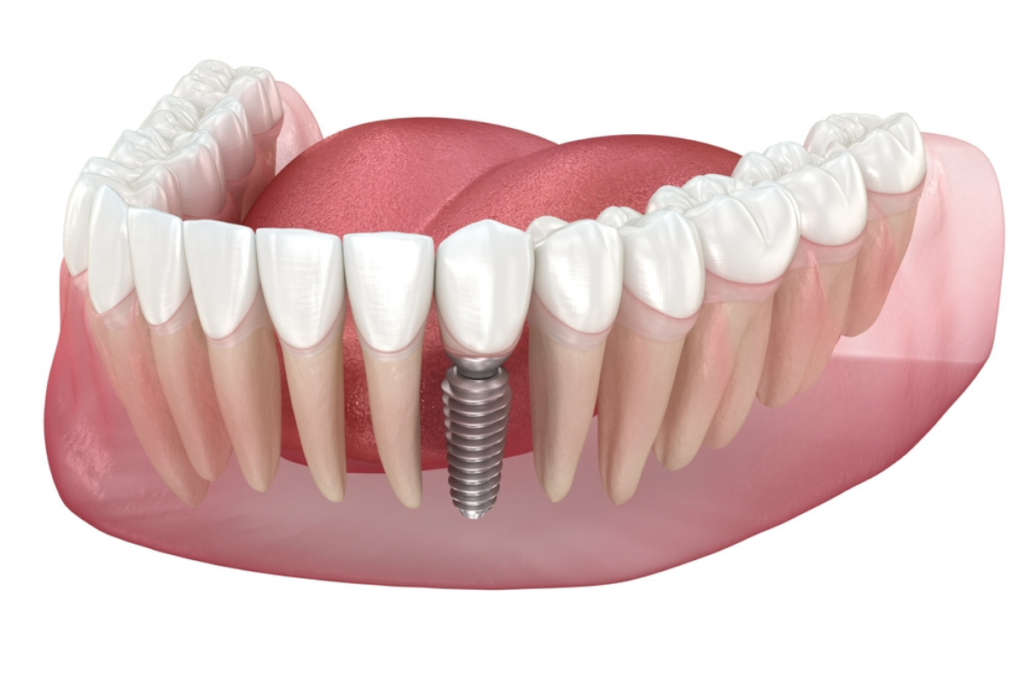
When people ask “what are screwless dental implants,” they often refer to implant restorations where the final crown is attached without a visible screw. Unlike traditional screw‑retained implants, a screwless dental implant relies on a custom abutment and a strong dental cement or friction‑fit design to bond the prosthetic tooth.
In essence, the underlying implant fixture (the post embedded in the jawbone) remains like conventional implants. What changes is the method of securing the crown – instead of a screw access channel, you get a smooth, uninterrupted crown surface that mimics a natural tooth.
Because there is no screw hole, the final restoration appears more like a natural tooth – ideal in visible smile zones where aesthetics matter most.
How do screwless dental implants work? Step‑by‑step
- Implant placement and osseointegration: As with traditional implants, a biocompatible implant post (often titanium or ceramic) is surgically placed into the jawbone. Over weeks to months, the bone fuses to the implant – a process called osseointegration.
- Abutment and crown preparation: Once healed, a custom abutment is attached. Impressions or digital scans are taken so the dental lab can craft a crown that matches your natural teeth.
- Cementation or friction-fit: Instead of screwing the crown in, the dentist bonds the crown to the abutment using dental cement or uses a precisely engineered friction-fit system. The result: a seamless, screwless implant restoration.
- Final clean-up and adjustment: Excess cement – a known risk factor – is carefully removed to avoid soft-tissue irritation, then occlusion (bite) and fit are checked.
This method results in a “tooth replacement without screws” – hence the name. The crown blends in naturally among surrounding teeth, with no visible hardware or access holes.
Why Many Patients Prefer Screwless Dental Implants – Advantages & Modern Trends
Seamless Implant Restorations & Superior Aesthetics
- Because there’s no screw access hole, the crown surface remains smooth and natural – ideal for front teeth and smile zones.
- Screwless implants help deliver a truly natural‑looking smile; the restoration blends with surrounding teeth for a lifelike result.
- For patients seeking aesthetic screwless implant crowns, these restorations often meet – or exceed – expectations compared to traditional implants.
Flexibility, Passive Fit & Comfort
- Cement‑retained or screwless designs can compensate for implants that may not be perfectly angled. The cement layer or friction‑fit abutment gives dentists more flexibility in implant placement.
- The passive fit reduces stress on bone and surrounding tissue, which can support long-term stability and comfort.
- The result is often a natural bite and comfortable chewing surface – without the compromised occlusion sometimes seen with screw‑channel access holes.
Metal‑Free Implant Solutions & Zirconia / Ceramic Alternatives
- For those seeking holistic implant dentistry or concerned about metal allergies/sensitivities, metal‑free implant solutions such as zirconia implants offer a compelling option.
- Zirconia (ceramic) screwless implants are biocompatible, hypoallergenic, and avoid the greyish tint sometimes visible through thin gum tissue with metal implants.
- Ceramic implant alternatives often appeal to patients seeking a more natural look and a holistic, metal‑free solution – blending implant dentistry with overall wellness goals.
Important Considerations & Trade‑Offs of Screwless / Cement‑Retained Implants
Retrievability and Maintenance Challenges
A major trade‑off with screwless dental implant crowns: once cemented or bonded, the crown is not easily retrievable. If future maintenance, repairs, or adjustments are needed, removing a cemented crown is often destructive – meaning a new crown may need to be fabricated.
By contrast, screw‑retained implants allow easier access: the screw can be unscrewed, crown removed, and maintenance or repairs performed more straightforwardly.
Risk of Excess Cement & Peri‑Implant Soft Tissue Issues
With cement‑retained (screwless) restorations, a known risk is residual cement under the gumline – if not cleaned properly, leftover cement can lead to soft tissue inflammation or even peri‑implant disease. Because of this risk, meticulous technique and follow-up are essential. The dentist must ensure all excess cement is removed and that margins are clean and stable.
Requirement for Sufficient Restorative Space
Cement‑retained crowns (screwless implants) generally require more vertical space (restorative space) than screw‑retained crowns. When space is limited – for example, due to low vertical clearance – screw‑retained implants may be more practical.
If restorative space, angle, or bone conditions are not ideal, it may limit suitability for screwless implant restorations or require careful planning.
Material-Specific Considerations for Zirconia / Ceramic Implants
While zirconia and ceramic “biologic dental implants” (metal‑free) offer aesthetic and hypoallergenic benefits, they also come with considerations:
- Because many zirconia implants are one‑piece designs, they may offer less flexibility for adjusting angulation compared with two‑piece titanium systems.
- Ceramic implants may be more brittle than titanium; while modern zirconia is strong and durable, the long-term clinical data is more limited compared to traditional implants.
- For some complex cases (full-arch restorations, heavy bite force, limited bone), titanium-based systems may still be preferred for strength and versatility.
Who Might Be a Good Candidate for Screwless Dental Implants?
Screwless dental implants – whether traditional cement‑retained or modern zirconia/ceramic metal‑free – may be ideal for individuals who:
- Want a natural, seamless smile with aesthetic screwless implant crowns – especially in visible (esthetic) zones such as front teeth or smile‑line areas.
- Prefer a metal‑free, holistic implant dentistry approach (e.g., metal sensitivities or desire for biologic dental implants).
- Are committed to excellent oral hygiene and regular dental follow‑up to monitor tissue health and cement margins.
- Have adequate restorative space and favorable bone/gum conditions, as assessed by their implant dentist.
- Value comfort, passive fit, and natural bite over ease of retrievability or simpler future maintenance
At Aria Dental Care, we evaluate each patient’s oral anatomy, aesthetic goals, and personal preferences to recommend the most suitable implant solution – whether that’s a screwless cement‑retained implant, a zirconia metal‑free implant, or a traditional screw‑retained option with different trade‑offs.
Screwless Dental Implants vs Traditional Implants – A Side‑by‑Side Look
As research shows, both cement‑retained (screwless) and screw‑retained implant restorations have been successful when selected appropriately.
Are Zirconia Screwless Implants and Ceramic Implant Alternatives Worth Considering?
As implant dentistry evolves, “metal‑free implant solutions” using ceramic materials like zirconia have gained attention. These “biologic dental implants” and “ceramic implant alternatives” aim to provide a holistic, hypoallergenic, and aesthetically superior option for patients.
Advantages of zirconia/ceramic screwless implants:
- White, tooth‑like color that avoids the greyish show‑through sometimes seen with metal/titanium implants – especially for patients with thin gum tissue.
- Fully metal‑free and hypoallergenic – ideal for patients with metal sensitivities, or who prefer holistic implant dentistry.
- Resistant to corrosion and galvanic reactions, since ceramic does not oxidize or corrode like metal – potential benefit for long-term tissue health.
Things to consider:
- Many ceramic implants are one‑piece, which reduces flexibility in angulation adjustments compared to two-piece titanium systems.
- Although zirconia implants show promising success and survival, long-term data is still growing; in some studies, slightly higher marginal bone loss was noted compared to titanium.
- Because of material rigidity, in high-load areas (e.g. molars, heavy bite), titanium may sometimes be recommended; each case must be evaluated individually.
At Aria Dental Care, we view zirconia screwless implants as a compelling “metal‑free, aesthetic screwless implant crown” solution – especially for patients seeking “tooth replacement without screws” using “holistic implant dentistry” principles. Our team evaluates your bone, gum tissue, bite dynamics, and overall health to recommend the best material and restoration method for your smile.
How do screwless dental implants work – is the implant procedure different?
The surgical implant placement and osseointegration process is the same as traditional implants: a biocompatible post (titanium or ceramic) is placed in the jawbone, heals, and
Why Choose Screwless Dental Implants at Aria Dental Care – Our Holistic, Patient‑Centered Approach
At Aria Dental Care, we take a holistic view of dental implant care – blending advanced technology, biological compatibility, and aesthetic excellence so you can enjoy a healthy, natural smile for life. Choosing our screwless dental implants (including ceramic, metal‑free options) means you benefit from:
- Personalized, holistic treatment planning – We begin with a full evaluation of your overall oral health: bone density, gum tissue, bite alignment, restorative space, and even your lifestyle and wellness goals. This comprehensive approach ensures we recommend implant solutions that support both long‑term oral health and overall wellbeing.
- Metal‑free, biologic implant alternatives – For patients seeking a holistic lifestyle or concerned about metal sensitivity, we offer zirconia or ceramic screwless implants. These biologic dental implant options align with metal‑free health philosophies while delivering strength and durability.
- Natural‑looking, seamless smile restoration – Our screwless restorations are designed for maximum aesthetics. With no visible screws or access holes, your new crown blends seamlessly with your natural teeth – ideal for front teeth or smile‑zone replacements. The result is a confident, natural smile that feels and looks like your own.
- Precision in both surgery and restoration – From accurate implant placement and gentle osseointegration to careful crown cementation or friction‑fit, our clinicians prioritize minimally invasive techniques that respect your tissues. This focus supports long-term health, reduces complications, and enhances comfort.
- Comprehensive aftercare and long‑term support – Our care doesn’t end once the crown is placed. We provide tailored guidance on oral hygiene, soft‑tissue maintenance, and periodic check‑ups to preserve gum health and implant longevity. You receive ongoing support to ensure your implant remains healthy, functional, and beautiful.
If you value a treatment approach that honors your overall health – seeking a natural smile, minimal hardware, and a modern yet biologically thoughtful tooth‑replacement – then our screwless (including zirconia metal‑free) dental implants at Aria Dental Care may be the ideal choice for you.
Conclusion
Screwless dental implants represent a significant advancement in tooth replacement – enabling patients to achieve seamless, natural‑looking restorations without visible screws or metal hardware. From “what are screwless dental implants” to “how do they work,” this approach blends implant stability with aesthetic finesse – especially when paired with ceramic or zirconia material for a metal‑free, biologic solution.
Like all dental procedures, screwless implants come with trade-offs – especially regarding retrievability and the need for meticulous cementation. Yet for many patients – especially those prioritizing appearance, comfort, and holistic dentistry – they offer an excellent path to a confident, lasting smile.
At Aria Dental Care, we’re dedicated to helping you navigate these choices thoughtfully. If you’re considering tooth replacement, we’re here to provide expert consultation, customized treatment planning, and the highest standards of care. Reach out to us – we’d be honored to help you restore your smile.