





Root canal therapy is one of the most common and widely recommended treatments for saving a severely infected or abscessed tooth. By removing infected dental pulp, thoroughly cleaning the root canal system, and sealing the canals, this procedure can relieve pain, stop infection, and preserve your natural tooth.
At Aria Dental Care, we believe in full transparency. While root canal therapy offers many benefits, there are also root canal therapy side effects – some immediate, others less obvious – that patients should know about. This article explores what is root canal therapy, its procedure, common and long-term risks, and how to minimize complications to safeguard your oral health.
What Is Root Canal Therapy – Understanding the Procedure
What Is Root Canal Therapy? / What is a Root Canal Treatment
- A root canal (also called endodontic treatment) is a dental procedure designed to treat tooth pulp infection or inflammation. The pulp – soft tissue inside a tooth containing nerves and blood vessels – can become infected due to deep decay, crack, trauma, or repeated dental work.
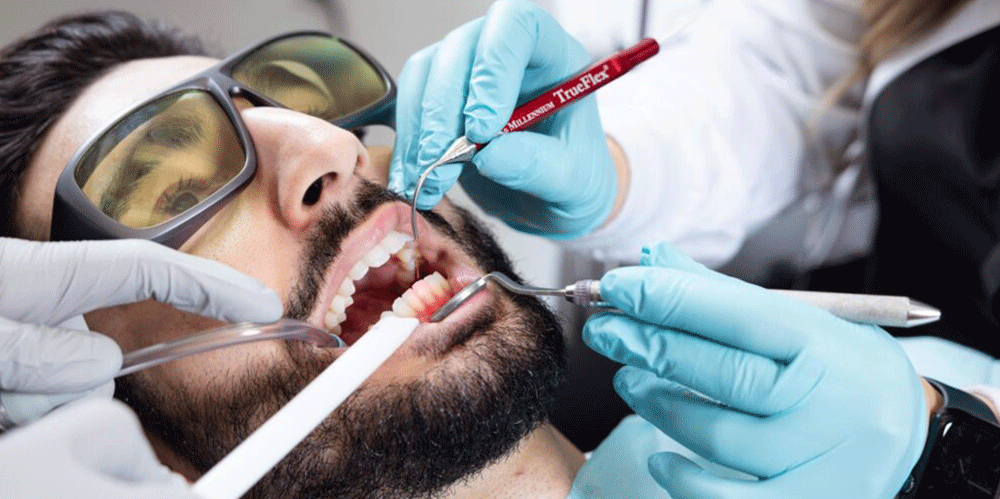
- In a typical root canal procedure, the dentist or endodontist removes the damaged pulp, cleans and disinfects the internal canals, then fills and seals them with a material (like gutta-percha). Finally, the tooth is restored with a filling or crown to protect and reinforce it.
Procedure of Root Canal Therapy / What Happens During Treatment
- First, the dentist takes X‑rays (or sometimes 3D imaging) to assess tooth anatomy and the extent of infection.
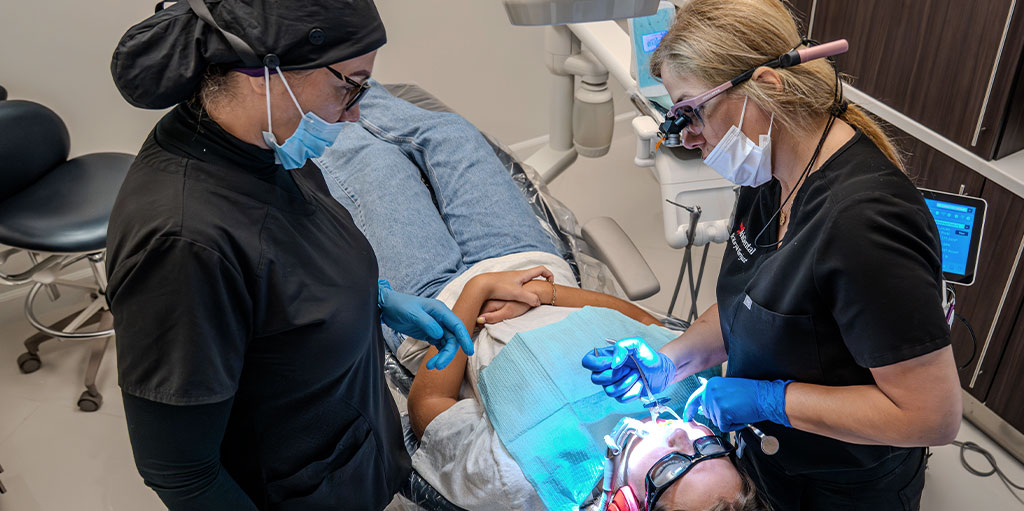
- The area is numbed with local anesthesia, and a rubber dam is placed to isolate the tooth – preventing saliva contamination during the procedure.
- An opening is made through the crown of the tooth; the infected pulp is removed; root canals are cleaned, shaped, disinfected, and filled/sealed.
- Finally, a permanent filling or crown is placed to restore strength and function.
How Long Does Root Canal Therapy Take?
- For many teeth, the root canal treatment takes about 30 to 90 minutes – depending on tooth complexity.
- Some cases may require two visits (especially for molars or multi-rooted teeth) – one for the procedure, another for permanent restoration.
- For complex infections or retreatment (non-surgical root canal retreatment), the timeline may be longer.
Read More: Benefits of Dental Implants over Root Canals
Common Short-Term Root Canal Therapy Side Effects
After a root canal procedure, many patients experience mild discomfort – usually temporary and manageable. Typical post-treatment effects:
- Mild pain, sensitivity or tenderness when biting or chewing.
- Swelling of gums or jaw – mild inflammation is common during healing.
- Temporary numbness or tingling due to anesthesia – usually resolves within hours.
- Mild discomfort while chewing until restoration (crown or filling) is placed.
These side effects are generally short-lived, and most patients return to normal chewing and oral function within a few days.
The Hidden & Long-Term Risks of Root Canal Therapy
While root canal treatment (or non‑surgical root canal therapy) often succeeds in saving teeth, there are real – albeit less frequent – complications and risks.
Reinfection or Persistent Infection / Root Canal Retreatment
- One of the most significant risks is reinfection – if bacteria remain in microscopic accessory canals, lateral canals, or tubules despite cleaning, or if the seal fails over time.
- A failed root canal may lead to symptoms like pain, swelling, pus formation, or a tooth abscess – calling for root canal retreatment or possibly extraction.
- In some cases, what looked like a successful root canal may become problematic years later due to micro‑leakage or structural changes.
Structural Weakening – Tooth Fracture & Cracks
- After pulp removal and cleaning, the tooth loses some of its natural resilience. A root canal treated tooth can become more brittle, increasing the risk of tooth fracture or cracks, especially under chewing pressure – particularly if no protective restoration (crown) is placed.
- Without proper restoration, even normal biting forces can lead to fractures – compromising long-term tooth preservation.
Procedural Complications – Instrument Breakage, Missed Canals, Poor Fillings
- Root canal therapy can be technically challenging. Studies show that in some cases – especially where canal anatomy is complex – procedural errors occur: underfilling, overfilling, voids, broken instruments, or perforation.
- A broken instrument (endodontic file) inside the canal can block complete cleaning, leading to incomplete disinfection – increasing the chance of reinfection or failure.
- Missed canals or insufficient sealing are among the leading causes of root canal failure and may require retreatment.
Cosmetic Concerns & Tooth Discoloration
- After root canal treatment, a tooth may gradually darken – because the living tissue and blood supply have been removed. This can result in aesthetic concerns, especially for front teeth.
- To restore appearance, crowns or veneers may be recommended – which increases cost and involves more dental work.
Risks Related to Systemic or Long‑Term Health (Controversial / Limited Evidence)
- Some holistic dentistry sources and reviews raise concerns that chronic infection or low‑grade inflammation from a root canal–treated tooth could impact overall health – potentially affecting immune function or triggering systemic inflammation.
- However, authoritative dental organizations state that, when performed correctly, a root canal is safe and does not pose systemic health risks.
- The debate is more relevant in cases of failed root canal therapy or reinfection – which underlines the importance of quality treatment, sealing, and restoration.

Why Many of These Risks Remain “Hidden” – What Patients Often Don’t Know
Root canal therapy side effects and long-term risks are often under-discussed. Here’s why:
- Complex Tooth Anatomy Is Easy to Underestimate: Many teeth – especially molars and premolars – have narrow, curved, or accessory canals. Without advanced imaging and careful technique, some canals may be missed, leaving infection behind.
- Variability in Practitioner Skill & Technique: Outcomes depend heavily on the experience of your dentist or endodontist, and on the instruments used. Poor technique increases risk of procedural errors.
- Lack of Proper Restoration after Treatment: Some patients skip or delay placing a crown or protective restoration – leaving the tooth vulnerable to fracture or reinfection.
- Delayed or Long-Term Problems: Issues like reinfection, micro‑leakage, fractures, or discoloration may appear months or years later – at which point many patients no longer associate them with the original root canal therapy.
- Conflicting Information & Myths: On one hand, patients may hear that root canals are completely safe; on the other, some holistic or alternative sources warn of hidden systemic risks – creating confusion.
Because of these factors, many of the potential downsides remain “hidden” at the time of treatment – which is why patient education and informed consent are so important.
How to Minimize Risks – Recommendations from Aria Dental Care
To reduce the chance of complications and maximize long-term success of root canal therapy (or non-surgical root canal treatment), here are best practices we recommend at Aria Dental Care:
- Choose a qualified and experienced dentist or endodontist, especially for complex teeth (molars, multi-rooted) or when infection is advanced.
- Ensure comprehensive pre‑treatment evaluation, including high-quality X-rays or 3D imaging, to identify all canals and assess tooth anatomy.
- Use modern instruments and techniques – proper canal cleaning, shaping, disinfection, and sealing – to improve root canal success and reduce procedural errors.
- After treatment – restore the tooth properly, ideally with a crown or protective restoration, especially for molars and premolars – to prevent fracture or reinfection.
- Maintain excellent oral hygiene, regular dental check-ups, and avoid neglect. Any new decay or seal failure can reintroduce bacteria.
- Be alert to symptoms: persistent discomfort, swelling, pain, sensitivity, discoloration, or gum changes – even months or years after treatment – and report them promptly.
- If reinfection or failure occurs, consider root canal retreatment or alternative treatments (when necessary) rather than ignoring signs.
- Discuss overall health history and holistic preferences – if interested in holistic root canal therapy or alternatives (e.g., tooth preservation treatment, ozone-assisted root canal, or other root canal alternatives), talk to your dentist to weigh benefits and risks together.
Is Root Canal Therapy Still Worth It? Weighing the Benefits vs. Risk
Despite the potential root canal treatment side effects or complications, root canal therapy remains a highly effective and valuable option for many patients. Benefits include:
- Saving your natural tooth – avoiding extraction and preserving chewing function, bite alignment, and bone support.
- Relief from pain and cessation of infection or abscess – protecting surrounding teeth and bone from damage.
- When executed properly – with high-quality technique and good restoration – many root canal treated teeth last 10–15 years or more, and often for a lifetime.
However, success depends on multiple factors: tooth anatomy, extent of infection, quality of the root canal procedure, restoration, and ongoing oral care.
At Aria Dental Care, we believe in personalized, informed decisions. We discuss with every patient – what’s at stake, possible side effects, and how to care for your tooth long-term. If root canal therapy is chosen, we commit to high standards of treatment and follow-up care.
What Are the Alternatives – Exploring Other Options
In some situations, root canal therapy may not be the best or only option. Alternatives / additional approaches include:
- Extraction and replacement: removing the infected tooth and replacing with an implant, bridge, or other prosthetic. This is more invasive and costly but may bypass risks of reinfection or structural failure.
- Conservative monitoring or watchful waiting (in early-stage or borderline cases) – when infection is minimal and tooth structure is still stable.
- Holistic root canal therapy or alternative treatments: Some patients explore ozone-assisted root canal, tooth preservation treatment, or other holistic dental approaches – though these may have different risk–benefit profiles and require careful evaluation.
- Prevention-focused care: regular checkups, early filling of cavities, good oral hygiene, and prompt attention to symptoms – to avoid reaching the stage of needing root canal or tooth abscess treatment in the first place.
Each option has trade‑offs. The best choice depends on your tooth’s condition, overall dental health, cost, and personal preferences.
Final Thoughts – Transparency, Informed Consent, and Your Smile
Root canal therapy remains one of the most effective ways to treat an infected tooth and preserve your natural smile. But like any medical or dental procedure, it carries potential root canal therapy side effects – from immediate post‑treatment discomfort to long-term complications like reinfection, fracture, or discoloration.
At Aria Dental Care, we prioritize patient education, transparency, and individualized care. We encourage you to ask questions: about the procedure of root canal therapy, possible risks, how long it takes, what restoration will be used, and whether alternatives or holistic approaches make sense.
If you’re facing a tooth abscess, pulp infection, or severe decay – or simply exploring “root canal therapy near me” – we’re here to guide you. Our goal is not just to treat – but to ensure your long-term oral health, comfort, and peace of mind.
Ready to protect your smile with confidence? Contact Aria Dental Care today to schedule your consultation and discover the safest, most personalized solution for your dental health — whether it’s expert root canal therapy or holistic alternatives tailored to you.