

Recovering from oral surgery can be uncomfortable, stressful, and confusing, especially when it comes to knowing what you should eat. One of the most important (and often overlooked) parts of healing is following the correct soft diet after oral surgery. The foods you choose directly affect pain levels, swelling, healing time, and the risk of complications like dry socket or infection.
At Aria Dental, we believe recovery should be as smooth and stress-free as possible. That’s why we’ve created this in-depth, dentist-approved guide to soft foods to eat after oral surgery, covering everything from tooth extractions and wisdom teeth removal to dental implants and gum procedures.
This article will help you understand:
- Why a soft diet is essential after dental surgery
- How long you need to eat soft foods after oral surgery
- The best foods after wisdom teeth removal
- Cold soft foods after oral surgery that reduce swelling
- A complete list of healing foods after dental procedures
Why a Soft Diet After Oral Surgery Is Essential
After oral surgery, your mouth is in a delicate state. Surgical sites need time to form stable blood clots, tissues must regenerate, and inflammation needs to subside. Eating the wrong foods can disrupt this process and lead to painful complications.
Following a post oral surgery diet helps by:
- Protecting stitches and surgical sites
- Preventing dry socket after tooth extraction
- Reducing irritation and bleeding
- Minimizing jaw strain and discomfort
- Supporting faster tissue regeneration
In short, choosing the right foods to eat after dental surgery can significantly shorten your recovery time and improve comfort.
What Happens If You Don’t Follow a Soft Diet?
Ignoring a recommended soft diet after oral surgery can seriously interfere with your healing process and increase the risk of complications. Hard, crunchy, or chewy foods may disturb surgical sites, dislodge protective blood clots, and trigger a painful condition known as dry socket. Patients who don’t follow dietary guidelines often experience increased pain, swelling, and prolonged bleeding. There is also a higher risk of infection when healing tissues are irritated or damaged. In some cases, poor dietary choices can delay recovery and lead to unexpected emergency dental visits. For these reasons, dentists strongly advise following a liquid and soft diet after surgery, especially during the critical first few days of healing.
How Long Do You Have to Eat Soft Foods After Oral Surgery?
One of the most common questions patients ask after dental treatment is: how long do you have to eat soft foods after oral surgery? The answer depends on the type of procedure performed and how quickly your body heals. Eating soft foods protects the surgical site, prevents irritation, and supports proper healing.
General timeline guidelines include:
- Simple tooth extraction: 2–3 days
- Soft foods after tooth extraction (molars): 3–5 days
- Best foods after wisdom teeth removal: 5–7 days
- Dental implants: 7–14 days
- Gum surgery or bone grafting: 10–21 days
So, how long to eat soft foods after oral surgery? You should continue your soft diet until the following conditions are met:
- Pain is minimal or fully controlled
- Swelling has noticeably reduced
- Chewing feels comfortable and strain-free
- Your dentist confirms it’s safe to return to regular foods
Always follow your dentist’s personalized recovery instructions for the best outcome.
Liquid and Soft Diet After Surgery: What’s the Difference?
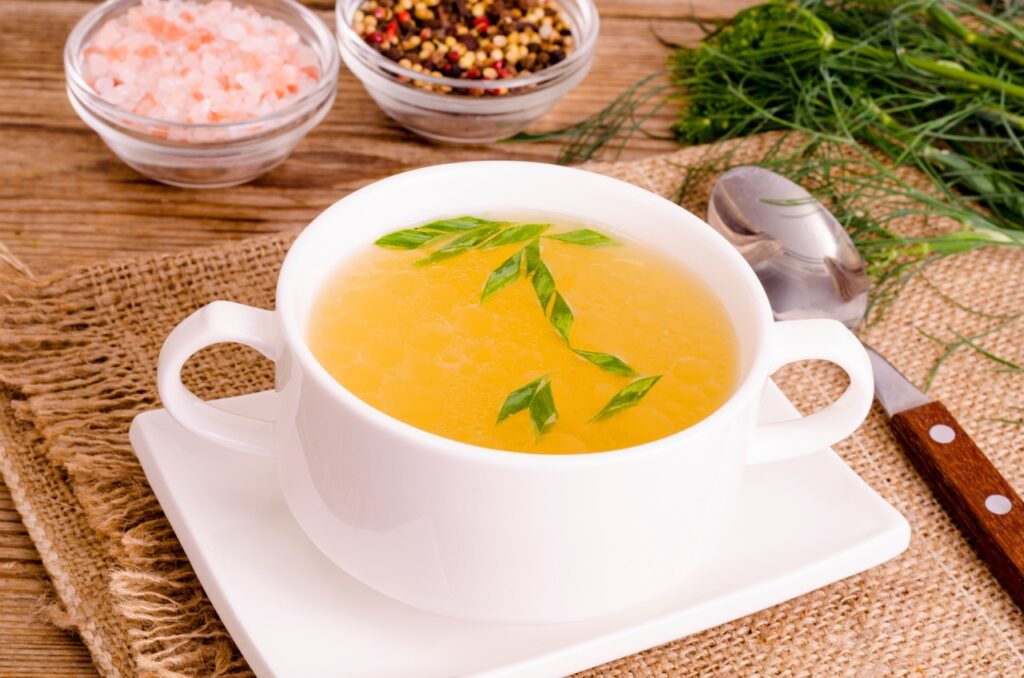
After oral surgery, many patients aren’t sure whether they should follow a liquid diet or a soft diet, and the difference matters for proper healing. A liquid diet consists of foods you can drink without chewing, such as smoothies, clear or blended broths, protein shakes, and meal replacement drinks. These are especially helpful during the first 24 hours after surgery, when swelling, numbness, or soreness make chewing uncomfortable. Liquid foods provide hydration and basic nutrition while placing minimal stress on surgical sites.
A soft diet after oral surgery, on the other hand, includes foods that are thicker and more filling but still gentle on your mouth. These foods require little to no chewing, have fork-mashable textures, and are easy on the gums and jaw. Examples include mashed potatoes, scrambled eggs, yogurt, oatmeal, and blended soups. Most patients begin with liquids and gradually transition to a soft diet within 24–48 hours, once discomfort decreases and chewing becomes more comfortable.
Cold Soft Foods After Oral Surgery: Why Dentists Recommend Them
Cold foods do more than just taste good, they actively support healing.
Benefits of Cold Soft Foods
- Reduce swelling and inflammation
- Numb sensitive nerve endings
- Soothe irritated tissues
- Encourage hydration
Cold soft foods after oral surgery are especially helpful during the first 72 hours.
Nutritional Focus: Healing Foods After Dental Procedures
Healing requires fuel. The best oral surgery recovery foods are not just soft, they’re nutrient-dense.
Key Nutrients for Healing
- Protein: tissue repair and immune support
- Vitamin C: collagen production
- Vitamin A: wound healing
- Zinc: faster recovery
- Healthy fats: inflammation control
A well-balanced post oral surgery diet can dramatically improve outcomes.

Top 25 Soft Foods to Eat After Oral Surgery
Below is a comprehensive, dentist-approved list of the best soft foods after oral surgery, suitable for tooth extraction, wisdom teeth removal, implants, and more.
1. Mashed Potatoes
Mashed potatoes are a staple in any soft diet after oral surgery. They’re filling, customizable, and easy to swallow. Add butter or olive oil for calories, but avoid pepper or crunchy toppings.
2. Yogurt (Plain or Greek)
Yogurt is one of the best oral surgery recovery foods thanks to its protein and probiotics. Choose plain varieties to avoid sugar irritation.
3. Applesauce
Smooth, mildly sweet, and easy on surgical sites, applesauce is perfect for the first 24–48 hours.
4. Scrambled Eggs
Soft scrambled eggs are protein-rich and gentle. Cook them slowly so they remain fluffy, not rubbery.
5. Smoothies (No Straw)
Smoothies are ideal for a liquid and soft diet after surgery, but never use a straw, suction can cause dry socket.
6. Oatmeal
Warm (not hot) oatmeal is comforting and filling. Let it cool before eating to avoid irritation.
7. Cottage Cheese
Soft and mild, cottage cheese provides protein without requiring chewing.
8. Blended Soups
Pureed soups like tomato, pumpkin, or lentil soup are excellent foods to eat after dental surgery.
9. Avocado
Naturally soft and rich in healthy fats, avocado supports inflammation control and healing.
10. Pudding
Pudding is a comforting, smooth dessert that won’t irritate surgical areas.
11. Gelatin Desserts
Jell-O and similar gelatin desserts are hydrating and easy to eat.
12. Hummus
Smooth hummus provides plant-based protein. Avoid chunky or spicy versions.
13. Mashed Sweet Potatoes
Packed with antioxidants and vitamin A, sweet potatoes are excellent healing foods after dental procedures.
14. Ricotta Cheese
Ricotta is creamy, mild, and easy to mix into other soft dishes.
15. Pancakes (Softened)
Well-cooked pancakes soaked in syrup or yogurt are easier to chew.
16. Mashed Bananas
Ripe bananas are potassium-rich and gentle on healing gums.
17. Ice Cream (No Crunchy Mix-ins)
A classic cold soft food that helps soothe swelling. Avoid nuts, cones, or candy pieces.
18. Polenta
This soft cornmeal dish is filling and requires minimal chewing.
19. Soft Pasta
Overcooked pasta with smooth sauces is ideal during oral surgery recovery.
20. Risotto
Creamy rice dishes are easy to eat and energy-dense.
21. Silken Tofu
Silken tofu is one of the easiest proteins to consume after dental surgery.
22. Soft Fish
Flaky fish like salmon or cod provides omega-3 fatty acids and protein.
23. Mashed Beans or Lentils
When blended smooth, beans offer excellent plant-based nutrition.
24. Custard
Custard is nutrient-rich, smooth, and easy to swallow.
25. Protein Shakes (Spoon-Friendly)
Protein shakes help maintain nutrition during a post oral surgery diet.
Foods to Avoid After Oral Surgery
Following a soft diet after oral surgery doesn’t automatically mean every soft or semi-soft food is safe. Some foods can still irritate surgical sites, delay healing, or increase the risk of complications such as bleeding, infection, or dry socket. During the recovery period, it’s important to be mindful not only of texture but also of temperature, acidity, and stickiness.
Avoid These Foods:
- Chips, popcorn, and nuts – sharp edges can damage healing tissues and get lodged in extraction sites
- Hard bread and crusts – difficult to chew and may strain the jaw
- Sticky candy or chewing gum – can pull at stitches or dislodge blood clots
- Spicy foods – may cause burning and inflammation
- Acidic foods such as citrus fruits and vinegar – can irritate wounds
- Alcohol and carbonated drinks – interfere with healing and increase bleeding risk
Avoiding these foods helps protect sensitive tissues, supports faster healing, and ensures a smoother recovery after oral surgery.
Tips for Eating Comfortably During Recovery
- Eat small portions
- Chew away from the surgical site
- Rinse gently after meals (if approved)
- Maintain hydration
- Don’t rush meals
These habits complement your soft diet after oral surgery.
Transitioning Back to Normal Foods Safely
As your mouth heals and pain and swelling continue to decrease, you can gradually begin transitioning back to your normal diet. Start with soft solid foods that require minimal chewing, such as tender pasta, soft fish, or well-cooked vegetables, and slowly introduce firmer textures over several days. Pay close attention to how your mouth feels while eating, any discomfort, pressure, or pain is a sign to return to softer options. Understanding how long to eat soft foods after oral surgery is essential for preventing complications, protecting healing tissues, and ensuring a smooth, setback-free recovery.
Final Thoughts
Following the right soft foods to eat after oral surgery plan is one of the most effective ways to protect your mouth, reduce pain, and speed up healing. A thoughtful post oral surgery diet, rich in protein, vitamins, and gentle textures, sets the foundation for a successful recovery.
If you have questions about foods to eat after dental surgery or need personalized aftercare guidance, the expert team at Aria Dental is always here to support you every step of the way toward a healthy, confident smile.