

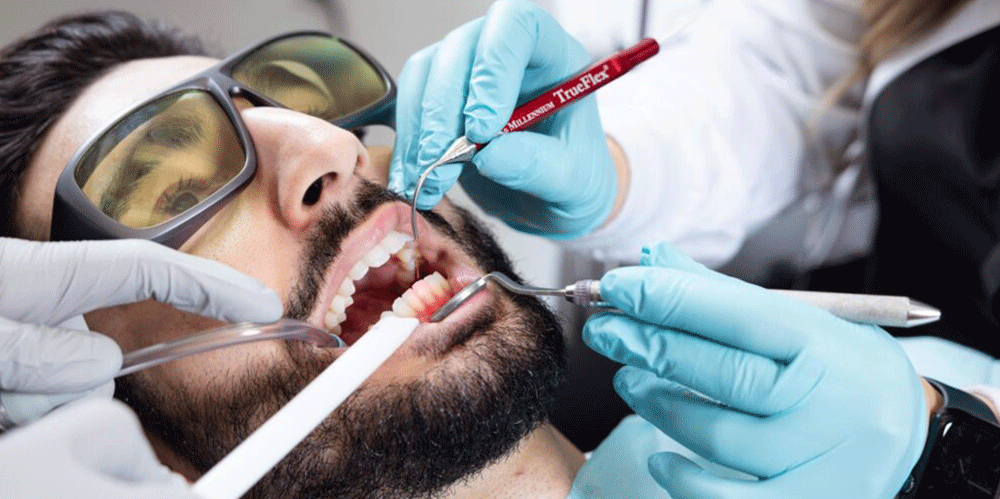
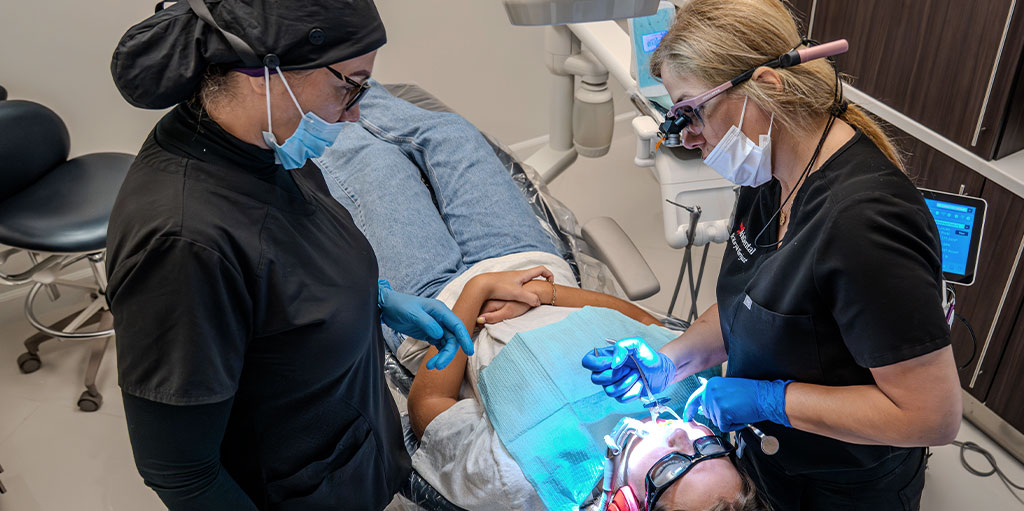
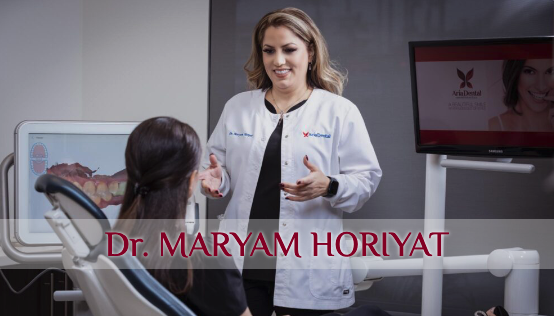


The short answer: The LANAP procedure, Laser-Assisted New Attachment Procedure, is an FDA-cleared, minimally invasive laser gum surgery that treats moderate to severe periodontal (gum) disease without the cutting and suturing of traditional gum surgery. Using a precise PerioLase MVP-7 laser, LANAP laser treatment selectively targets and destroys diseased tissue and bacteria while leaving healthy tissue completely intact, promoting regeneration of the bone and tissue that support your teeth. At Aria Dental, Dr. Maryam Horiyat delivers LANAP dental procedure treatment within a comprehensive holistic gum disease treatment philosophy that addresses the root causes of periodontal disease, not just its symptoms.
If you or someone you love has been diagnosed with moderate to severe gum disease, and told that the next step is traditional periodontal surgery, it is completely natural to feel apprehensive. The images that phrase conjures are not pleasant: cutting gum tissue, sutures, weeks of painful recovery, and significant lifestyle disruption. For decades, that was the reality of treating advanced periodontal disease. Today, it does not have to be.
The LANAP procedure, Laser-Assisted New Attachment Procedure, has fundamentally changed what it means to treat serious gum disease. It is the only laser gum disease treatment protocol that is both FDA-cleared for true periodontal regeneration and supported by human histological studies proving that it actually stimulates new bone, new cementum, and new periodontal ligament growth around previously diseased teeth. That is not a marketing claim, it is a peer-reviewed, clinically verified biological reality.
This comprehensive guide covers everything you need to know: what the LANAP dental procedure is, exactly how the LANAP procedure works step by step, how effective the LANAP procedure is compared to conventional surgery, what recovery looks like (including how to sleep after the LANAP procedure), why a holistic gum disease treatment philosophy makes LANAP uniquely powerful at Aria Dental, and what the full clinical evidence says about laser periodontal therapy as the future of gum disease care.
What Is the LANAP Dental Procedure? Understanding the Basics
What is the LANAP dental procedure? At its core, the LANAP procedure is a laser-based alternative to traditional osseous (bone) surgery for the treatment of periodontitis, chronic gum disease that has progressed to the point of causing bone loss around the roots of the teeth. The acronym stands for Laser-Assisted New Attachment Procedure, and each word in that name is clinically meaningful:
- Laser-Assisted: The procedure is performed using the PerioLase MVP-7, a specific free-running pulsed Nd:YAG laser with precise wavelength characteristics (1064 nm) that are uniquely suited to selectively targeting the chromophores (pigmented compounds) found in diseased tissue and pathogenic bacteria, while passing harmlessly through healthy, lightly pigmented gum tissue
- New Attachment: Unlike conventional gum surgery, which removes diseased tissue and reshapes bone but does not reliably regenerate lost structures, the LANAP laser treatment protocol actually promotes the reattachment of gum tissue to the root surface and stimulates the regeneration of the bone, cementum, and periodontal ligament that were destroyed by the disease
- Procedure: It is a complete, FDA-cleared clinical protocol, not simply a technique for using a laser within a conventional surgery. The LANAP protocol follows a specific, validated sequence of steps that has been studied in peer-reviewed clinical research
The Periodontal Disease Problem That LANAP Addresses
To fully appreciate what the LANAP dental procedure is, it helps to understand what it is treating. Periodontal disease is a chronic bacterial infection of the structures that support the teeth, the gums, the periodontal ligament, and the alveolar bone. It begins as gingivitis (superficial gum inflammation) and, if untreated, progresses to periodontitis, a destructive process in which the body’s own immune response to bacterial toxins causes the gradual resorption of the bone and connective tissue anchoring each tooth.
Advanced periodontitis is the leading cause of tooth loss in adults. It is also a significant systemic health risk: the Centers for Disease Control and Prevention (CDC) has documented associations between periodontal disease and cardiovascular disease, type 2 diabetes, adverse pregnancy outcomes, and respiratory disease, underscoring that gum disease is a whole-body health issue, not just a dental one.
Conventional treatment for advanced periodontitis involves scaling and root planing (deep cleaning) for milder cases, and osseous surgery, involving incisions, tissue reflection, mechanical debridement, and suturing, for more severe presentations. The LANAP procedure offers a third path: a laser-based protocol that achieves equivalent or superior outcomes to osseous surgery with dramatically less tissue trauma, pain, and recovery disruption.
The LANAP Procedure Step by Step: What Actually Happens During Treatment
One of the most common questions patients ask before committing to LANAP laser treatment is: what actually happens during the procedure? Understanding the LANAP procedure step by step reduces anxiety and helps patients arrive at their appointment informed and prepared.
The LANAP dental procedure follows a precise, validated seven-step protocol. Here is the complete LANAP procedure step by step breakdown:
Step 1: Periodontal Probing and Measurement
Before any laser energy is applied, your Aria Dental provider performs a comprehensive periodontal evaluation, measuring the depth of the pockets around every tooth with a periodontal probe. These measurements establish the baseline severity of the disease, identify which teeth require treatment, and provide a benchmark against which post-treatment healing will be measured. Digital radiographs (X-rays) are reviewed to assess the extent of bone loss at each site.
Step 2: First Laser Pass, Diseased Tissue Removal and Bacterial Decontamination
The PerioLase MVP-7 laser fiber, thinner than a human hair, is gently inserted into each periodontal pocket around the diseased tooth. The laser energy targets and vaporizes the pathologically pigmented bacteria-laden tissue lining the pocket wall, destroys the pathogenic bacteria that drive the disease, and removes the diseased epithelial lining while leaving the underlying healthy connective tissue intact. This selectivity, the laser’s ability to differentiate between diseased and healthy tissue based on pigmentation, is one of the defining biological advantages of LANAP laser treatment over conventional mechanical debridement.
Step 3: Ultrasonic Scaling and Root Surface Debridement
With the diseased tissue removed and bacteria significantly reduced, ultrasonic instruments and hand scalers are used to thoroughly remove calculus (tartar) deposits from the root surfaces. Calculus provides the structural scaffold upon which the pathogenic biofilm of periodontal disease organizes itself; removing it completely is essential to breaking the disease cycle and allowing the root surface to be recolonized by healthy tissue.
Step 4: Second Laser Pass, Clot Formation and Seal Creation
After root debridement, the PerioLase MVP-7 laser makes a second pass at a different energy setting. This second pass creates a stable fibrin blood clot within the periodontal pocket, the biological foundation of healing and new tissue attachment. The laser energy also creates a physical seal at the top of the pocket by fusing the gum tissue collar around the tooth, preventing re-entry of bacteria from the oral environment into the healing pocket. This seal is one of the key mechanisms by which the LANAP procedure achieves superior healing outcomes compared to conventional surgery.
Step 5: Bone Compression and Stabilization
Gentle pressure is applied to the bone around the treated teeth to compress it against the root surfaces and support clot stabilization. This step promotes direct contact between the regenerating bone and the root surface, a critical factor in the new attachment process that gives the LANAP laser treatment its name.
Step 6: Occlusal Adjustment (Bite Equilibration)
Teeth with significant bone loss are more vulnerable to the forces of biting and chewing. Following the LANAP dental procedure, Dr. Horiyat carefully evaluates and adjusts the bite to reduce excessive forces on treated teeth, protecting the fragile healing environment and maximizing the stability of the regenerative process.
Step 7: Post-Operative Instructions and Follow-Up
Detailed home care instructions are provided, a soft diet is prescribed, and a strict follow-up schedule is established. The LANAP procedure step by step protocol includes specific post-operative milestones at which healing is assessed, probing depths are remeasured, and the extent of regeneration is documented. Most patients are seen for follow-up at 1 week, 1 month, 3 months, 6 months, and annually thereafter.
How Effective Is the LANAP Procedure? The Clinical Evidence
How effective is the LANAP procedure? This is perhaps the most important question any prospective patient can ask, and the answer, grounded in peer-reviewed clinical research, is genuinely impressive.
FDA Clearance and Histological Proof of Regeneration
The LANAP procedure is the only laser gum surgery protocol in the world that has received FDA clearance specifically for True Periodontal Regeneration, meaning the FDA has reviewed the clinical evidence and confirmed that the procedure produces new bone, new cementum, and new periodontal ligament, not merely repair with scar tissue. This is a clinically critical distinction:
- Conventional osseous surgery produces repair, the wound heals, but with long junctional epithelium and scar tissue, not the original periodontal apparatus
- LANAP laser treatment produces regeneration, histologically verified new bone, cementum, and periodontal ligament that functionally restore the tooth’s supporting structure
Human histological studies, the gold standard of biological evidence, involving actual tissue analysis from treated patients, have confirmed this regenerative outcome. These studies represent some of the most compelling clinical evidence in the history of periodontal treatment.
Clinical Outcomes: What the Research Shows
Multiple peer-reviewed studies and clinical trials evaluating the LANAP dental procedure have documented:
- Pocket depth reduction: Average reductions in periodontal pocket depths of 2–4 mm following LANAP gum surgery, with the deepest pockets showing the most dramatic improvement
- Bone regeneration: Radiographic evidence of new bone formation in areas of prior bone loss, a finding not reliably associated with conventional periodontal surgery
- Tooth retention: Dramatically improved tooth retention rates, including for teeth that would have been recommended for extraction under conventional treatment protocols
- Reduced bacteremia: The laser decontamination achieved during LANAP laser treatment produces a more complete reduction in pathogenic bacterial load than mechanical debridement alone
- Patient-reported outcomes: Significantly lower pain scores, faster return to normal function, and higher patient satisfaction compared to conventional osseous surgery
The National Institute of Dental and Craniofacial Research (NIDCR) recognizes laser periodontal therapy as a rapidly evolving and clinically promising area of periodontal treatment, supporting continued research into its mechanisms and outcomes.
LANAP Gum Surgery vs. Traditional Osseous Surgery: A Direct Comparison
| LANAP Gum Surgery | Traditional Osseous Surgery | |
| Incisions required | None | Yes, tissue is cut and reflected |
| Sutures required | None | Yes |
| Anesthesia | Local anesthesia only | Local; sometimes sedation |
| Tissue removal | Selective, diseased tissue only | Significant, healthy tissue removed too |
| Regeneration potential | Proven, FDA-cleared for true regeneration | Limited, primarily repair with scar tissue |
| Post-op pain | Minimal, most patients manage with OTC analgesics | Significant, prescription pain management common |
| Recovery time | 24–48 hours to normal function | 2–4 weeks |
| Gum recession risk | Minimal, no tissue removal | Significant, a common and visible side effect |
| Infection risk | Low, laser decontaminates the site | Higher, open wounds require careful management |
| Repeat treatment | Less common | More common |
The contrast is striking. For patients facing advanced periodontal disease, LANAP gum surgery offers equivalent or superior clinical outcomes with a dramatically more comfortable, less disruptive treatment experience.
Holistic Gum Disease Treatment: The Aria Dental Philosophy
At Aria Dental, the LANAP procedure is not delivered as a standalone technical intervention, it is delivered as the centerpiece of a comprehensive holistic gum disease treatment philosophy that addresses the systemic, nutritional, biological, and behavioral factors that drive periodontal disease in the first place. As Orange County’s #1 biological and holistic dental practice, Aria Dental’s approach to laser gum disease treatment reflects Dr. Horiyat’s foundational conviction: that gum disease is a whole-body condition that demands a whole-body response.
The Systemic Connection: Why Holistic Gum Disease Treatment Matters
The relationship between periodontal disease and systemic health is bidirectional. Gum disease contributes to systemic inflammation that worsens cardiovascular disease, destabilizes blood sugar in diabetic patients, and impairs immune function. Simultaneously, systemic conditions, diabetes, autoimmune disorders, nutritional deficiencies, certain medications, create oral environments that accelerate periodontal breakdown. Treating gum disease without addressing these systemic connections produces incomplete, short-lived results.
At Aria Dental, holistic gum disease treatment means:
- Pre-treatment systemic evaluation: Identifying and addressing systemic conditions that contribute to or accelerate periodontal disease before LANAP dental procedure treatment begins
- Nutritional assessment and support: Vitamin C deficiency impairs collagen synthesis essential to gum tissue repair; vitamin D deficiency compromises both immune function and bone metabolism; coenzyme Q10 (CoQ10) deficiency has been specifically linked to periodontal tissue breakdown. Dr. Horiyat assesses and addresses these nutritional factors as part of every holistic gum disease treatment plan
- Microbiome evaluation: Identifying the specific pathogenic bacterial species present in a patient’s periodontal pockets, through salivary or subgingival microbial testing, allows targeted adjunctive therapy beyond what the LANAP laser treatment alone addresses
- Biocompatible adjunctive care: Ozone therapy, probiotic protocols, and other biocompatible adjuncts that support a healthy oral microbiome and accelerate tissue healing are integrated into the post-LANAP procedure recovery protocol at Aria Dental
Ozone Therapy as a Holistic Adjunct to LANAP Laser Treatment
Medical-grade ozone, a powerful, naturally occurring antimicrobial agent, is used at Aria Dental as an adjunct to LANAP gum surgery in appropriate cases. Ozone irrigated into the periodontal pocket before and after laser periodontal therapy provides an additional layer of bacterial decontamination, reduces inflammatory mediators in the pocket, and supports faster, healthier tissue healing. This biocompatible adjunct is fully consistent with the holistic gum disease treatment philosophy and adds meaningful clinical value to the LANAP procedure outcomes we achieve.
Mercury-Safe Dentistry and Periodontal Health
A unique dimension of holistic gum disease treatment at Aria Dental is the recognition that certain dental materials, particularly mercury amalgam fillings, can contribute to a compromised oral environment that impairs periodontal healing. Patients undergoing LANAP dental procedure treatment who also have amalgam restorations may benefit from safe amalgam removal using the SMART protocol, coordinated with their periodontal treatment plan, to reduce the total chemical burden on the healing periodontal tissues.
LANAP Procedure Recovery: What to Expect After Laser Gum Surgery
One of the most frequently asked questions about LANAP gum surgery is what recovery looks like, and how it compares to the recovery from conventional periodontal surgery. The contrast is significant and is one of the most compelling practical advantages of laser periodontal therapy.
The First 24–48 Hours After the LANAP Procedure
Most patients who undergo LANAP laser treatment are genuinely surprised by how manageable their post-procedure experience is. In the first 24–48 hours:
- Pain level: Mild to moderate discomfort, typically managed effectively with over-the-counter ibuprofen and acetaminophen. Prescription pain medication is rarely necessary, in stark contrast to conventional osseous surgery
- Swelling: Minimal, the absence of incisions and sutures means far less inflammatory response than follows conventional surgery
- Bleeding: Minor oozing may occur; patients are instructed to avoid vigorous rinsing and spitting during the first 24 hours
- Diet: A soft diet is prescribed for the first 2 weeks, no hard, crunchy, or chewy foods that could disrupt the healing clot
- Activity: Most patients return to work and normal daily activities within 24 hours of the LANAP procedure, compared to the 2–4 weeks of restricted activity commonly associated with conventional periodontal surgery
How to Sleep After the LANAP Procedure
How to sleep after the LANAP procedure is one of the most practically important questions patients ask during their post-operative instructions session, and one that is particularly relevant in the first week of recovery. Here are Dr. Horiyat’s specific recommendations:
- Elevate your head: Sleep with your head elevated on two pillows for the first 3–5 nights after the LANAP laser treatment. Head elevation reduces blood pressure in the head and neck, minimizing post-operative swelling and reducing the risk of oozing at the treatment sites during the night
- Sleep on your back or the untreated side: If only one side of the mouth was treated (the LANAP gum surgery is typically staged, treating half the mouth per appointment), sleep on the opposite side to reduce direct pressure near the treated area
- Avoid sleeping with your mouth open: Dry mouth during sleep can desiccate the fragile healing tissue and clot. If you are a mouth breather, discuss this with Dr. Horiyat before your procedure, a saline spray at bedside can help keep tissues moist
- No heat application near the face while sleeping: Avoid heated blankets over the face or a heating pad near the jaw, warmth increases vasodilation and can increase post-operative bleeding
- Take prescribed or recommended analgesics before bed: Proactively managing discomfort before trying to sleep is more effective than waking in the night to address escalating pain
The First Two Weeks: Diet, Oral Hygiene, and Activity
- Soft diet strictly for 14 days: Eggs, yogurt, smoothies, mashed vegetables, fish, and soft-cooked grains. Avoid anything that requires significant chewing or that might dislodge the fibrin clot sealing the treated pockets
- Oral hygiene: Gentle tooth brushing with an ultra-soft brush is permitted from day one, carefully avoiding direct contact with the treated gum margins. Water flossing at very low pressure may be introduced at the one-week follow-up with Dr. Horiyat’s guidance
- No smoking: Tobacco use is absolutely contraindicated during LANAP procedure recovery, nicotine causes vasoconstriction that starves the healing tissue of the blood supply essential to regeneration
- No vigorous exercise for 3–5 days: Elevated heart rate and blood pressure from intense physical activity can disrupt the healing clot and increase post-operative bleeding
Long-Term Healing and Results
True regeneration following LANAP gum surgery is a process measured in months, not days. The fibrin clot formed during the procedure matures into granulation tissue, then into organized connective tissue, and ultimately into new bone and periodontal ligament, a biological sequence that unfolds over 6–12 months following the LANAP laser treatment. Periodic probing and radiographic evaluation at your scheduled follow-up appointments will document this regenerative progress.
Who Is a Candidate for LANAP Laser Treatment?
LANAP laser treatment is appropriate for patients with moderate to severe periodontitis, specifically those with periodontal pocket depths of 5 mm or greater, radiographic bone loss, and active disease that has not responded adequately to non-surgical scaling and root planing. Ideal candidates include:
- Patients who have been told they need traditional gum surgery and are seeking a less invasive alternative
- Adults with systemic health conditions, diabetes, cardiovascular disease, autoimmune disorders, for whom the trauma and infection risk of conventional surgery is a particular concern
- Patients on blood thinners or other medications that complicate surgical wound management
- Patients with dental anxiety who find the prospect of conventional surgery prohibitive
- Adults seeking holistic gum disease treatment that aligns with a biocompatible, minimally invasive philosophy of care
- Patients who cannot afford the extended recovery time associated with conventional osseous surgery
The American Academy of Periodontology (AAP) recognizes laser periodontal therapy as a treatment modality for periodontal disease and supports the ongoing development of laser-based protocols with sound evidence bases. The AAP encourages patients to consult with qualified providers to determine the most appropriate treatment for their specific clinical presentation.
At Aria Dental, candidacy for the LANAP dental procedure is determined through a comprehensive periodontal evaluation that includes full-mouth probing, digital radiographs, and where indicated, cone beam CT imaging to assess three-dimensional bone architecture.
Conclusion: The LANAP Procedure Represents the Future of Gum Disease Care
The LANAP procedure is not simply a technological upgrade on conventional gum surgery, it is a paradigm shift in how periodontal disease is understood and treated. By combining the precision of laser periodontal therapy with the regenerative power of the body’s own healing biology, LANAP gum surgery achieves what conventional surgery could not: true regeneration of the bone, cementum, and connective tissue that hold teeth in place, with minimal pain, no incisions, and a recovery measured in days rather than weeks.
At Aria Dental, the LANAP dental procedure is delivered within a holistic gum disease treatment philosophy that addresses the whole patient, not just the diseased pockets. Dr. Maryam Horiyat’s biological, biocompatible approach to laser gum disease treatment ensures that every patient who undergoes LANAP laser treatment at Aria Dental receives the most effective, most complete, and most health-aligned gum disease treatment available in Orange County.
If you have been told you need periodontal surgery, or if you have noticed the signs of gum disease and want to address them before they require surgical intervention, we invite you to contact Aria Dental today for a comprehensive periodontal evaluation.
Your gums support your teeth. Your teeth support your health. Take care of both, holistically, at Aria Dental.
Concerned about gum disease or interested in the LANAP procedure? Schedule your comprehensive periodontal evaluation at Aria Dental, Orange County’s #1 holistic, biological, and cosmetic dental practice.