





If you or your child recently completed orthodontic treatment, you were likely handed a dental orthodontic retainer and told to wear it faithfully, perhaps for life. Retainers are a fundamental part of the orthodontic process, designed to hold teeth in their corrected positions after braces or clear aligners are removed. But here is the question most orthodontists never address: what are the materials in your retainer actually doing inside your body?
At Aria Dental Care in Orange County, California, Dr. Maryam Horiyat approaches every aspect of dental care through a biological, whole-body lens. As a certified member of the International Academy of Oral Medicine and Toxicology (IAOMT) and the International Academy of Biological Dentistry and Medicine (IABDM), Dr. Horiyat has spent her career examining not just how dental treatments affect your smile, but how they interact with your entire system, from your immune response and hormones to your gut health and neurological function.
In this comprehensive guide, we will explore what science and biological dentistry tell us about the hidden health implications of conventional dental orthodontic retainers, the materials involved, the risks you deserve to know about, and the safer, biocompatible alternatives available to you today.
What Is a Dental Orthodontic Retainer and Why Is It Necessary?
A dental orthodontic retainer is a custom-made dental appliance worn after active orthodontic treatment to prevent teeth from shifting back to their original positions. This shifting, known as orthodontic relapse, is a natural tendency because the periodontal ligaments and bone surrounding your teeth have memory and will attempt to pull teeth back toward where they once were.
Retainers are typically prescribed in two forms:
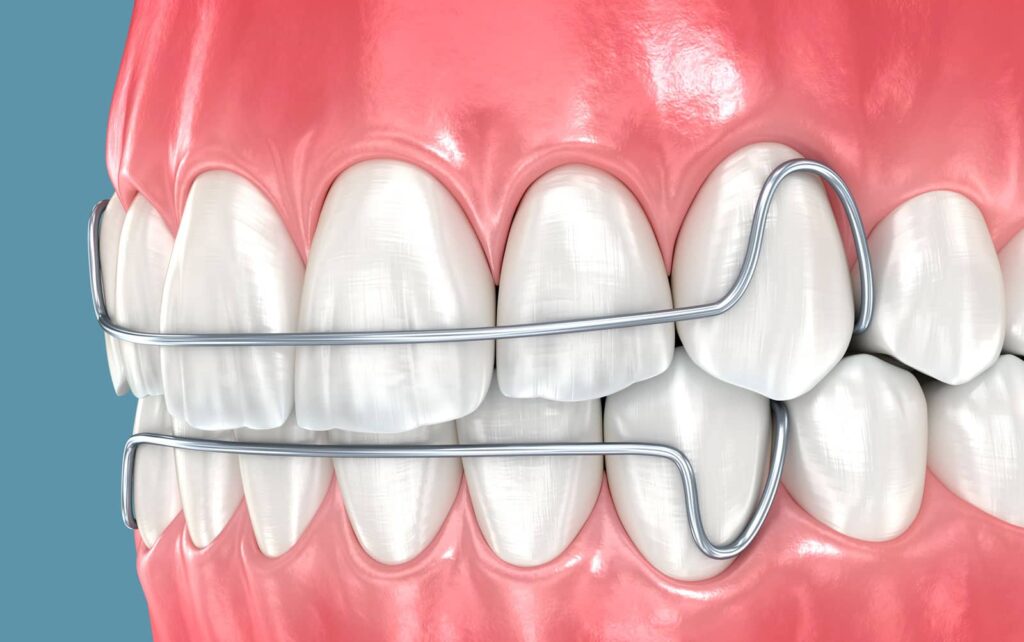
• Removable retainers, which you take in and out of your mouth daily
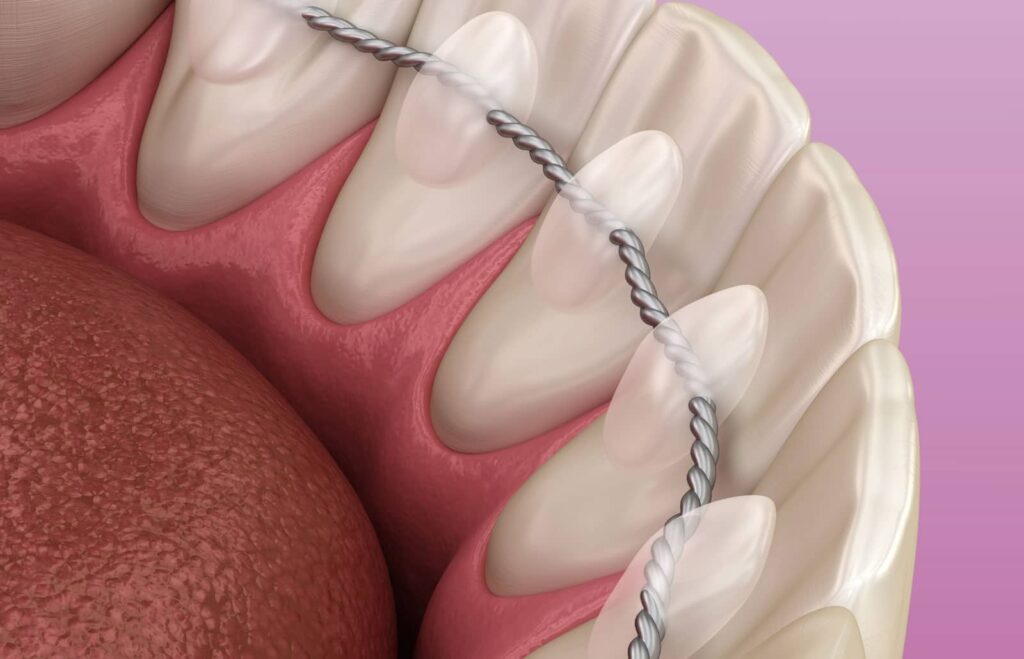
• Fixed or permanent retainers, which are bonded directly to the back of your teeth, usually the lower front teeth, and remain in place indefinitely
Both types serve the same purpose: maintaining your orthodontic results. However, both types also introduce materials into your oral environment that interact with your saliva, your gum tissue, your teeth, and ultimately your bloodstream. From a biological dentistry perspective, this is where the conversation becomes critically important.
The Oral Cavity as a Gateway to Systemic Health
Your mouth is one of the most absorptive surfaces in the human body. Substances placed in the oral cavity, whether they are dental materials, medications, or food, can be rapidly absorbed through the mucosal tissue and enter the bloodstream. This is why sublingual medications are so fast-acting. It is also why the materials in your dental orthodontic retainer matter far more than most patients realize.
Conventional dentistry has long treated the mouth as an isolated system, separate from the rest of the body. Biological and holistic dentistry rejects this premise entirely. The mouth is connected to every other system in the body, via the nervous system, the lymphatic system, the circulatory system, and the gut. What you place in your mouth, and what leaches from your dental appliances, can have downstream effects that show up as fatigue, hormonal disruption, immune sensitivity, or cognitive fog.
Common Materials Used in Dental Orthodontic Retainers and Their Biological Concerns
1. Acrylic (Polymethyl Methacrylate, PMMA)
The most widely used material in removable retainers is acrylic, specifically polymethyl methacrylate or PMMA. PMMA gives retainers their hard, pink, plate-like base. While it is durable and cost-effective, acrylic retainers carry several biological concerns that deserve your attention.
Residual monomers from PMMA, meaning acrylic components that did not fully polymerize during fabrication, can leach into saliva over time. Methyl methacrylate (MMA), the primary monomer, is a known irritant and sensitizer. Research has documented that:
• MMA can cause allergic contact reactions in sensitive individuals, manifesting as gum inflammation, oral sores, or rashes around the lips
• Acrylic leachates have been shown to affect cellular function in vitro, raising concerns about long-term exposure in the oral cavity
• Some individuals with multiple chemical sensitivity or compromised detoxification pathways may be particularly vulnerable to acrylic-based dental materials
2. Bisphenol A (BPA) in Plastic Retainers
Many modern clear retainers, including the popular Essix-style retainers made from thermoplastic materials, are manufactured from polycarbonate or other plastic polymers that may contain or produce bisphenol A (BPA) or its analogs (BPS, BPF) during degradation.
BPA is a well-documented endocrine disruptor. The U.S. National Institute of Environmental Health Sciences and the National Toxicology Program have acknowledged concerns about BPA’s effects on the brain, behavior, and prostate gland of fetuses, infants, and children. Even at low levels of exposure, BPA has been associated with:
• Disruption of estrogen signaling and hormonal balance
• Thyroid dysfunction
• Metabolic changes linked to obesity and insulin resistance
• Developmental concerns in children and adolescents, the very population most likely to wear orthodontic retainers
The concern is amplified because retainers are worn for extended periods, often many hours per day or all night, in a warm, wet oral environment that can accelerate plastic degradation and leaching. Teenagers undergoing orthodontic treatment are particularly vulnerable because their endocrine systems are in active development.
The National Institute of Environmental Health Sciences (NIEHS) provides detailed information on BPA’s established health risks, which every patient and parent should review when considering retainer materials for themselves or their children.
3. Metal Wire Components and Nickel Sensitivity
Both fixed (bonded) retainers and many removable Hawley-style retainers incorporate metal wire, typically stainless steel or occasionally nickel-titanium alloys. Metal components in the oral environment are subject to corrosion, especially in the presence of acidic foods, acidic saliva, or fluctuating pH conditions. Corrosion releases metal ions into the oral tissues and saliva.
Nickel is one of the most common contact allergens in the general population. Studies estimate that nickel sensitivity affects between 8 and 15 percent of women and approximately 1 to 2 percent of men. In individuals with nickel sensitivity, oral exposure to nickel-containing metal components can trigger:
• Local oral reactions including tissue inflammation and redness
• Systemic contact dermatitis, skin reactions occurring at sites distant from the oral cavity
• Immune system activation and chronic low-grade inflammatory responses
Beyond nickel, stainless steel alloys also contain chromium and other metals. The galvanic interaction between different metals in the mouth, for example, a metal retainer wire near a silver amalgam filling, can generate small electrical currents and accelerate corrosion, increasing metal ion release.
4. Adhesive Bonding Resins in Fixed Retainers
Permanent or fixed dental orthodontic retainers are bonded to the teeth using composite resin adhesives, the same family of materials used in tooth-colored fillings. These bonding resins contain bisphenol A-glycidyl methacrylate (Bis-GMA) and other methacrylate monomers.
Research published in peer-reviewed dental and toxicology journals has identified that Bis-GMA and its metabolites can exhibit estrogenic activity, meaning they may interact with estrogen receptors in the body. Long-term exposure from a bonded retainer in intimate contact with gum tissue for years or decades is a concern that biological dentists take seriously, even if conventional orthodontics has been slow to acknowledge it.
The Systemic Effects: How Your Dental Orthodontic Retainer May Be Affecting Your Overall Health
Hormonal Disruption and Endocrine System Impacts
Perhaps the most significant systemic concern associated with conventional dental orthodontic retainer materials is their potential to disrupt the endocrine system. The endocrine system governs your hormones, the chemical messengers that regulate everything from metabolism and growth to mood, fertility, and immune function.
Endocrine-disrupting compounds (EDCs), including BPA and certain methacrylate monomers, can mimic or block natural hormones even at very low concentrations. For children and teenagers whose endocrine systems are still developing, cumulative exposure from a retainer worn daily for years is not a trivial concern. For adult women, EDC exposure may compound existing hormonal challenges.
Immune System Sensitization and Chronic Inflammation
The immune system of a sensitized individual can mount a response to dental materials that most people tolerate without obvious symptoms. This is particularly relevant for patients who:
• Have known allergies to metals, acrylics, or plastics
• Suffer from autoimmune conditions such as lupus, Hashimoto’s thyroiditis, or rheumatoid arthritis
• Experience unexplained fatigue, brain fog, or systemic inflammation without a clear diagnosis
In biological dentistry, we routinely see patients whose chronic symptoms improve after identifying and replacing biocompatible dental materials. The connection between oral materials and systemic immune activation is well-supported by the field of oral medicine and is a core reason that organizations like the IAOMT advocate for material safety evaluation in all dental treatments.
The IAOMT (International Academy of Oral Medicine and Toxicology) publishes position papers and scientific reviews on the systemic effects of dental materials, offering an authoritative resource for patients who want to understand the biological perspective on their dental appliances.
Gut Microbiome Disruption
An often-overlooked pathway of concern is the gut. Small amounts of material released from a dental orthodontic retainer are inevitably swallowed, in saliva and food. The gastrointestinal tract is home to trillions of microorganisms that comprise the gut microbiome, which plays a central role in immunity, inflammation, mental health, and metabolic function.
Emerging research suggests that microplastics and chemical leachates from plastic dental devices may influence gut microbial diversity. While direct clinical studies specifically on retainer materials and gut health are limited, the principle of minimizing chemical exposure in the oral environment is sound from a preventive standpoint.
Neurological and Cognitive Considerations
BPA and other endocrine disruptors have been studied for their potential effects on neurological development and function. Animal studies and some human epidemiological data have raised concerns about prenatal and early childhood BPA exposure in relation to behavioral and cognitive outcomes. While wearing a retainer is not equivalent to prenatal exposure, the principle of precaution, using the safest possible materials when alternatives exist, is central to the biological dentistry philosophy.
The Biological Dentistry Approach: Safer Alternatives for Orthodontic Retainers
At Aria Dental Care, Dr. Horiyat does not simply identify problems, she offers solutions. Biological and holistic dentistry has made significant progress in identifying and utilizing materials that achieve excellent clinical outcomes while minimizing systemic exposure.
BPA-Free and Metal-Free Thermoplastic Retainers
Not all clear retainers are created equal. Manufacturers have responded to growing awareness of BPA concerns by producing retainer materials that are certified BPA-free. When a clear retainer is appropriate, our practice evaluates material options for biocompatibility and recommends those with the most favorable safety profiles.
Biocompatibility Testing Before Treatment
One of the most powerful tools in biological dentistry is individualized biocompatibility testing. Rather than assuming that a material is safe for everyone, we can test a patient’s blood for immunological reactivity to specific dental materials. This approach, offered through laboratories specializing in dental material reactivity, helps identify which materials are most compatible for each unique patient before any appliance is fabricated.
This is especially valuable for patients with known sensitivities, autoimmune conditions, or a history of reactions to dental treatments.
Ceramic and Zirconia Components
For patients who require fixed retention but want to avoid metal, ceramic or zirconia-based alternatives offer excellent biocompatibility. Zirconia is widely regarded as one of the most biocompatible dental materials available, it is inert, does not corrode, and does not release ions into the surrounding tissue.
Holistic Orthodontic Planning
Beyond retainer selection, biological dentistry advocates for a comprehensive approach to orthodontic planning that considers the patient’s overall health, structural development, airway function, and jaw joint (TMJ) health. Functional orthodontic approaches that work with the body’s natural development rather than against it can sometimes reduce the degree of retention needed after treatment.
The American Academy of Pediatric Dentistry (AAPD) provides clinical guidelines on pediatric orthodontic care that can complement a biological approach, particularly for young patients whose growth can be guided proactively.
What Patients at Aria Dental Care Can Expect
When you come to Aria Dental Care for orthodontic retention planning, whether you are finishing treatment with us or seeking a second opinion after care elsewhere, you will experience a genuinely different consultation process.
Dr. Horiyat begins every new patient relationship with a comprehensive health intake that goes well beyond dental history. We explore:
• Current systemic health conditions and medications
• Known allergies and sensitivities, including reactions to metals, plastics, or adhesives
• Hormonal health and any concerns about endocrine disruption
• Immune function and history of inflammatory conditions
• Environmental exposures and chemical sensitivities
From this foundation, we design a retainer plan that prioritizes your total health, not just the position of your teeth. We use the most biocompatible materials appropriate for your clinical situation, we explain every material we recommend, and we empower you to make fully informed decisions about what goes into your body.
Our commitment at Aria Dental Care is that your dental orthodontic retainer should protect your smile without compromising your health. These two goals are not in conflict, but achieving both requires a dentist who takes the biological perspective seriously.
Supporting Your Detox and Recovery If You Have Been Wearing a Conventional Retainer
If you have been wearing a conventional dental orthodontic retainer for months or years and are now concerned about potential material exposure, there are supportive steps you can take:
• Have your retainer assessed for material composition by a biological dentist
• Consider biocompatibility testing if you have unexplained symptoms that may be related to dental material sensitivity
• Support your body’s natural detoxification pathways through proper hydration, a nutrient-dense diet rich in antioxidants, and adequate sleep
• Discuss replacement of your existing retainer with a biocompatible alternative with your biological dentist
• If you have amalgam fillings as well as a metal retainer, discuss the potential galvanic interaction with your provider, this combination may warrant priority attention
Biological dentistry is not about creating fear around dental care, it is about making informed, intentional choices that support your long-term health. Many patients experience their dental orthodontic retainer for decades. Making sure that appliance is made from the safest possible materials is a reasonable, well-founded priority.
The Role of Informed Consent in Orthodontic Retention
True informed consent means being told the full picture, including the potential risks of materials and treatments, so that you can make decisions that align with your values and your health goals. Unfortunately, discussions of material biocompatibility are rarely part of the standard orthodontic retainer conversation.
At Aria Dental Care, we believe strongly that every patient has the right to know what their dental appliances are made of, what those materials may do in the body, and what alternatives exist. This is not fearmongering, it is respect. It is the foundation of the patient-provider relationship that Dr. Horiyat builds with every person she treats.
If your current or previous orthodontist has never discussed retainer material safety with you, that does not mean the concerns are not valid. It means you have an opportunity, right now, to ask better questions and seek a provider who will give you complete answers.
Conclusion: Your Smile and Your Health Can Both Be Protected
A dental orthodontic retainer is a long-term commitment, in many cases, a lifetime one. The materials that make up that appliance are in intimate contact with your oral tissues every day, interacting with your saliva, your mucosal membranes, and ultimately your bloodstream. This is not a reason to fear orthodontic retention. It is a reason to choose it wisely.
Biological dentistry offers a path forward that honors both your orthodontic results and your whole-body health. At Aria Dental Care, Dr. Maryam Horiyat brings her extensive training, her IAOMT and IABDM certifications, and her deep passion for patient wellness to every retainer consultation she conducts. She does not offer one-size-fits-all solutions. She offers personalized, biocompatible, health-centered care, the kind that looks beyond the X-ray and into the full picture of who you are as a patient.
If you are concerned about your current dental orthodontic retainer, considering orthodontic treatment for yourself or your child, or simply looking for a dental team in Orange County that takes your overall health as seriously as your smile, we invite you to contact Aria Dental Care today.
Your teeth deserve to be straight. Your body deserves to be safe. At Aria Dental Care, we believe you should never have to choose between the two.
About Aria Dental Care: Aria Dental Care is Orange County’s premier holistic, biological, and cosmetic dental practice. Led by Dr. Maryam Horiyat, DDS, AIAOMT, CIABDM, our mission is to provide the highest standard of dental care while honoring the connection between oral health and total body wellness. Visit us at ariadentalcare.com to learn more or to schedule your consultation.