





Are you considering dental implants but unsure whether to choose zirconia or titanium? This comprehensive guide breaks down everything you need to know about zirconia vs titanium dental implants, from material differences and biocompatibility to aesthetics, long-term health implications, and clinical outcomes. At Aria Dental Holistic Center, we take an evidence-based, patient-centered approach to help you make an informed decision that supports not just your smile—but your overall wellness.
Introduction to Dental Implants: What Are Dental Implants?
Dental implants are the gold standard for replacing missing teeth, acting as artificial roots that support crowns, bridges, or dentures. Unlike traditional options like dentures or bridges, implants integrate directly with the jawbone for a permanent, natural-feeling solution. In this guide, we focus on the two primary materials used today: titanium (the traditional metal-based option) and zirconia (a modern, metal-free ceramic alternative). Both are highly effective, but they differ significantly in composition, biocompatibility, and long-term effects—key considerations in holistic dentistry.
Definition and Clinical Context
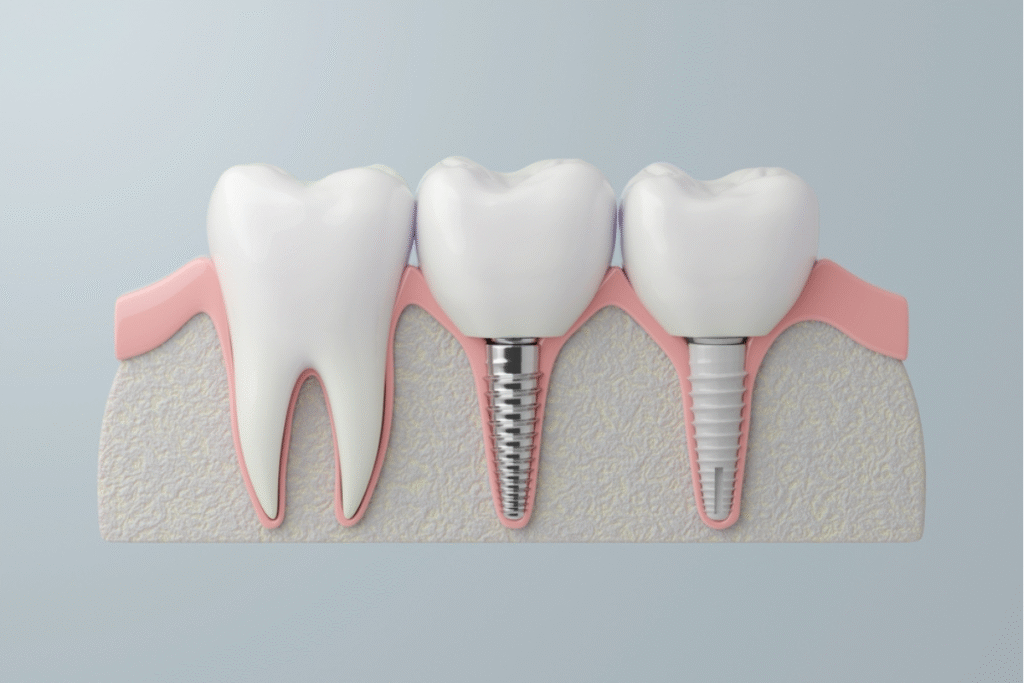
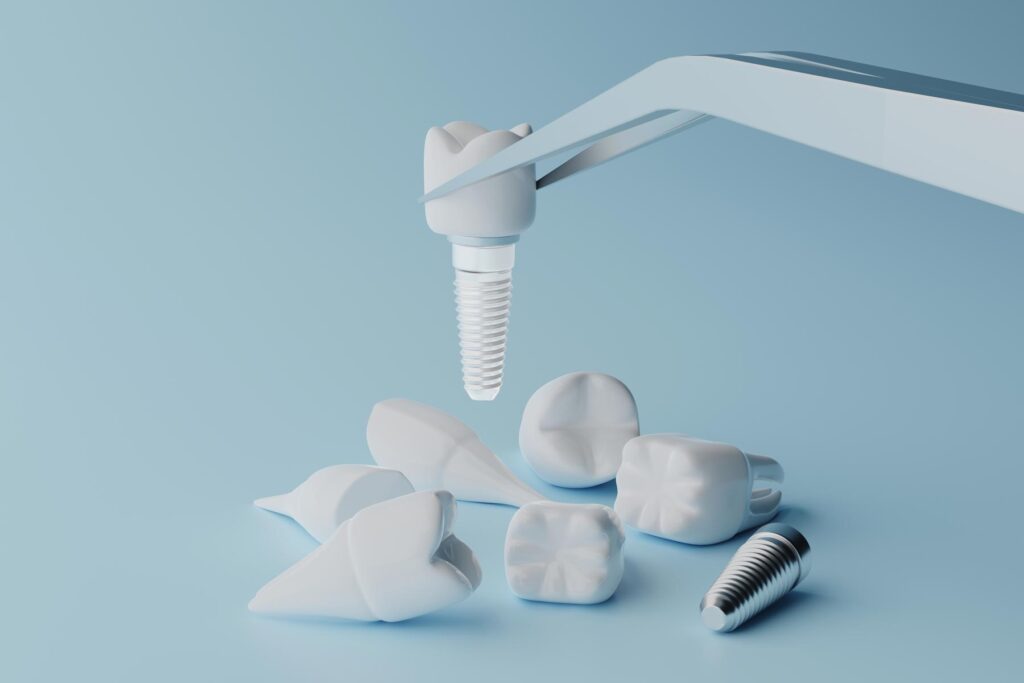
A dental implant consists of a post surgically placed into the jawbone, an abutment connector, and a custom crown. Titanium implants, made from titanium alloys, have been the industry standard for decades. Zirconia implants, crafted from zirconium oxide (a high-performance ceramic), represent a growing metal-free option favored in biological and holistic practices. Both restore function and aesthetics, but zirconia is increasingly chosen for patients seeking optimal biocompatibility and minimal systemic impact.
What Are Zirconia and Titanium Dental Implants and How Do They Work?
Understanding the materials and their interaction with your body is essential when comparing zirconia vs titanium dental implants. The choice affects everything from healing to daily comfort and long-term health.
Material Properties and Biocompatibility
Titanium implants are typically made from titanium mixed with trace metals. While strong and well-tolerated by most, they can corrode slightly in the oral environment, potentially releasing microscopic particles into surrounding tissues, gums, and even the bloodstream. Zirconia implants, in contrast, are made from zirconium oxide—a stable, bio-inert ceramic that is completely metal-free. This makes zirconia ultra-biocompatible, with virtually no risk of metal sensitivity, allergies, or inflammatory responses.
Placement Techniques and Osseointegration
Both types osseointegrate (fuse with bone), but placement styles differ. Titanium implants are often positioned at bone level and may involve multiple metal components (implant body, abutment, and screw). Zirconia implants at Aria Dental are typically placed at gum level as one-piece or same-material two-piece systems. This design simplifies maintenance, reduces plaque accumulation, and avoids the “battery effect” caused by mixed metals in titanium systems reacting with saliva.
Key Differences in Zirconia vs Titanium Implants: What to Expect
When patients research zirconia vs titanium dental implants, they often want clear expectations on performance, comfort, and health. Titanium remains reliable for many cases, but zirconia offers distinct advantages in biocompatibility, aesthetics, and reduced maintenance needs. Most patients notice improved comfort and a more natural feel with zirconia, especially those with metal sensitivities or concerns about long-term exposure to metals.
Evidence-Based Insights into Implant Materials
Holistic and biological dentistry prioritizes materials that support the body’s natural healing without introducing unnecessary toxins. Clinical observations and patient outcomes consistently show zirconia’s superior corrosion resistance and lack of galvanic reactions. Titanium is considered “bio-tolerable,” but zirconia is truly bio-inert—making it the preferred choice for patients seeking metal-free solutions that align with whole-body health.
Understanding the Dental Implant Process
Choosing the right implant material is part of a precise, personalized process designed to ensure long-term success and minimal complications.
1. Diagnostic Assessment and Treatment Planning
Your journey begins with a thorough evaluation, including oral examination, 3D imaging, and digital treatment planning. At Aria Dental, we assess bone quality, gum health, and any metal sensitivities to determine whether titanium or zirconia best suits your needs and holistic health goals.
2. Surgical Placement of the Implant
The chosen implant (titanium or zirconia) is surgically placed into the jawbone. Zirconia’s gum-level placement often allows for easier cleaning right from the start, while titanium’s bone-level design may require additional healing time before abutment attachment.
3. Healing and Osseointegration Phase
Over several months, the implant fuses with the bone. Zirconia’s non-reactive surface supports predictable healing with less risk of inflammation compared to titanium’s potential for subtle corrosion.
4. Abutment and Crown Placement (Refinement if Needed)
Once integrated, an abutment and custom crown are attached. If minor adjustments are required, zirconia’s one-piece or same-material design minimizes complications.
5. Retention and Long-Term Maintenance Phase
Final restorations are designed for durability. Ongoing care focuses on hygiene and regular check-ups to maintain optimal integration and prevent issues—especially important for titanium implants that may accumulate more plaque.
Key Factors That Influence Your Choice of Dental Implants
Several factors determine whether zirconia or titanium implants are ideal for you.
1. Biocompatibility and Systemic Health Concerns
Titanium’s metal content can trigger sensitivities, allergies, inflammation, or even contribute to autoimmune responses in sensitive individuals. Zirconia eliminates these risks entirely, making it the superior choice for holistic patients concerned about metal corrosion or galvanic reactions.
2. Aesthetic and Functional Outcomes
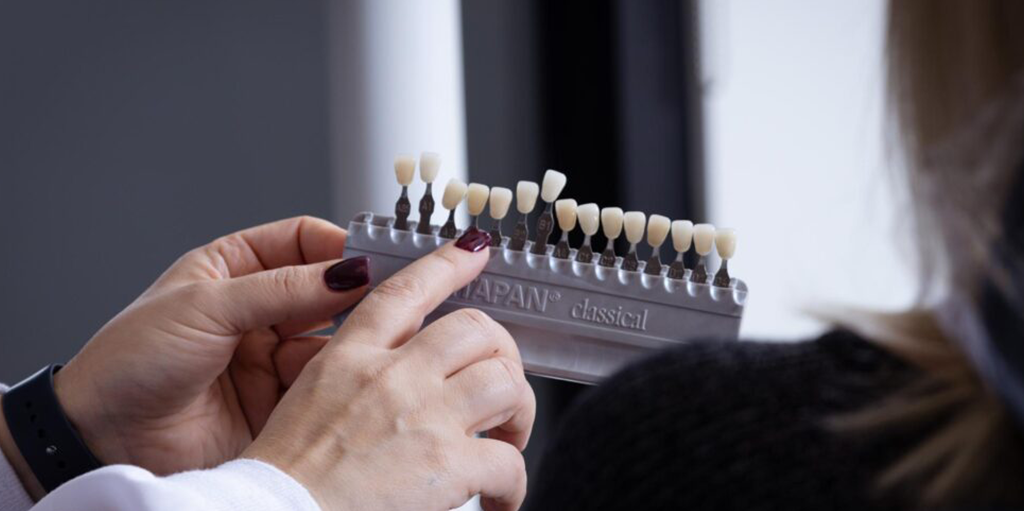
Zirconia’s natural white color blends seamlessly with teeth and gums, preventing the dark show-through that can occur with titanium after gum recession. Patients also report no metallic taste—unlike some titanium users.
3. Long-Term Maintenance and Durability
Zirconia’s smooth surface resists plaque and bacteria better than titanium, simplifying hygiene. Both materials are strong and durable, but zirconia avoids the “battery effect” (galvanic currents from mixed metals under chewing force), supporting better long-term comfort and health.
Zirconia vs Titanium Implants: Interpreting Clinical Outcomes
Patients who choose zirconia often experience faster comfort, superior gum health, and highly aesthetic results that look and feel completely natural. Titanium delivers reliable function, but zirconia consistently shows advantages in tissue response, reduced inflammation, and overall patient satisfaction—especially in holistic cases where metal-free options are prioritized.
Comparing Zirconia to Titanium Dental Implants
Predictability and Efficiency
Zirconia implants offer precise, metal-free integration with fewer variables related to corrosion or metal reactions. Titanium requires careful monitoring for potential sensitivities, while zirconia’s uniform material reduces unpredictable responses.
Longevity and Health Trends
Both materials have excellent success rates, but zirconia’s biocompatibility supports healthier surrounding tissues and lower risk of long-term complications. Modern holistic dentistry increasingly favors zirconia for its ability to support—not compromise—overall wellness.

Clinical Guidelines for Successful Implant Outcomes
To achieve the best results with either material, follow these evidence-based recommendations:
Choose the Most Biocompatible Option for Your Body
Discuss metal sensitivities and holistic health goals with your dentist. Zirconia is often recommended for patients seeking metal-free solutions.
Maintain Excellent Oral Hygiene
Brush, floss, and use recommended tools daily. Zirconia’s low-plaque surface makes this easier than with titanium.
Attend All Scheduled Follow-Up Appointments
Regular monitoring ensures proper integration and early detection of any issues, keeping your implant journey on track.
Managing Patient Expectations
Dental implants—whether zirconia or titanium—require a commitment to healing and maintenance. Most patients enjoy restored confidence and function within months, with zirconia often delivering quicker aesthetic and comfort benefits. Full integration takes time, but the result is a strong, natural-looking smile that supports your whole-body health.
Conclusion: Understanding Your Dental Implant Options
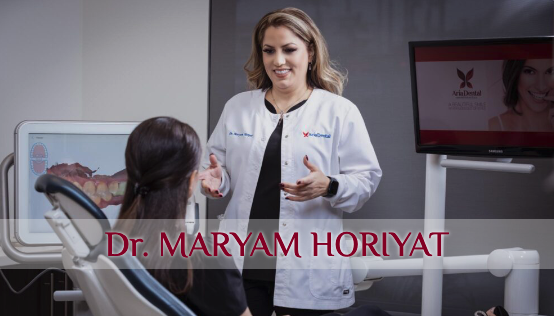
Zirconia and titanium dental implants both restore missing teeth effectively, but zirconia stands out in holistic dentistry for its metal-free composition, superior biocompatibility, natural aesthetics, and reduced risk of systemic reactions. At Aria Dental Holistic Center in Mission Viejo, California, Dr. Maryam Horiyat and our expert team specialize in personalized, metal-free implant solutions designed to support your long-term wellness.
Ready to explore the best implant option for your smile and your health? Schedule a consultation today and discover why more patients are choosing zirconia for a truly biocompatible solution.
📍 Aria Dental Holistic Center – Mission Viejo, California 📞 (949) 364-9600 🌐 https://ariadentalcare.com
Your smile is connected to your whole body—choose implants that honor that connection.