




A brighter smile is one of the most requested cosmetic changes in dentistry. When the American Academy of Cosmetic Dentistry asked people what they would most like to improve about their smile, the most common answer was whiter teeth, according to the ADA’s consumer site MouthHealthy. So it is no surprise that “how to whiten teeth” is one of the most searched dental questions online.
The challenge is that much of the advice out there ranges from harmless to genuinely damaging. Lemon scrubs, charcoal powders, and unregulated kits can wear down enamel, inflame gums, and leave teeth looking duller than before. Safe whitening, on the other hand, is well researched and highly predictable when it is done the right way.
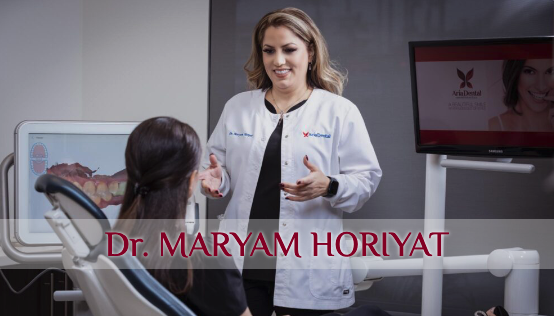
This guide is based on the clinical approach of Dr. Maryam Horiyat, DDS, AIAOMT, CIABDM, founder of Aria Dental Care in Mission Viejo, a practice that brings a holistic and biological perspective to cosmetic dentistry. It covers what causes discoloration, which whitening methods dentists trust, which shortcuts to skip, and how to protect your results.
Key takeaways on how to whiten teeth safely
- Start with a dental exam and cleaning to rule out cavities, gum problems, and other causes of discoloration.
- Peroxide-based whitening supervised by a dentist, in the office or with custom trays, offers the most control and the most predictable results.
- Over-the-counter products with the ADA Seal of Acceptance are a lower-strength option when used exactly as directed.
- Acidic, abrasive, and homemade remedies can permanently damage enamel.
- Crowns, veneers, and fillings do not whiten, so restorations need to be planned around your new shade.
What Causes Tooth Discoloration?
Teeth darken for different reasons, and the cause determines which treatment will work. Knowing the cause is the first step in deciding how to whiten teeth effectively. Dentists group discoloration into two categories.
Surface (Extrinsic) Stains
Extrinsic stains collect on the outer enamel. They are the most common type and usually come from daily habits:
- Coffee, black tea, and cola
- Red wine and dark beer
- Smoking, vaping, or chewing tobacco
- Strongly pigmented foods such as berries, curry, and soy sauce
- Plaque and tartar buildup that traps pigment near the gumline
These stains often fade noticeably after a professional dental cleaning, and peroxide whitening can lift what remains.
Deep (Intrinsic) Stains
Intrinsic stains develop inside the tooth, within the enamel or the dentin beneath it. The American Dental Association’s scientific review of whitening lists several common causes:
- Aging, as enamel thins and the naturally yellower dentin shows through
- Tetracycline and related antibiotics taken while teeth were forming
- Fluorosis and inherited enamel or dentin conditions
- Trauma, decay, or bleeding inside a tooth, which can turn a single tooth gray or brown
- Old silver amalgam fillings, which can cast a dark shadow through the enamel
Intrinsic stains can respond to bleaching, but often more slowly. The ADA notes that tetracycline staining may require three to four months of nightly treatment on average. A single dark tooth, on the other hand, calls for an examination before any cosmetic treatment.
The Science Behind Safe Teeth Whitening
Bleaching vs. Stain Removal
The word “whitening” covers two different processes:
- Stain removal uses polishing agents or mild abrasives, as in whitening toothpaste or a professional polish, to clear surface stains. It does not change the tooth’s natural shade.
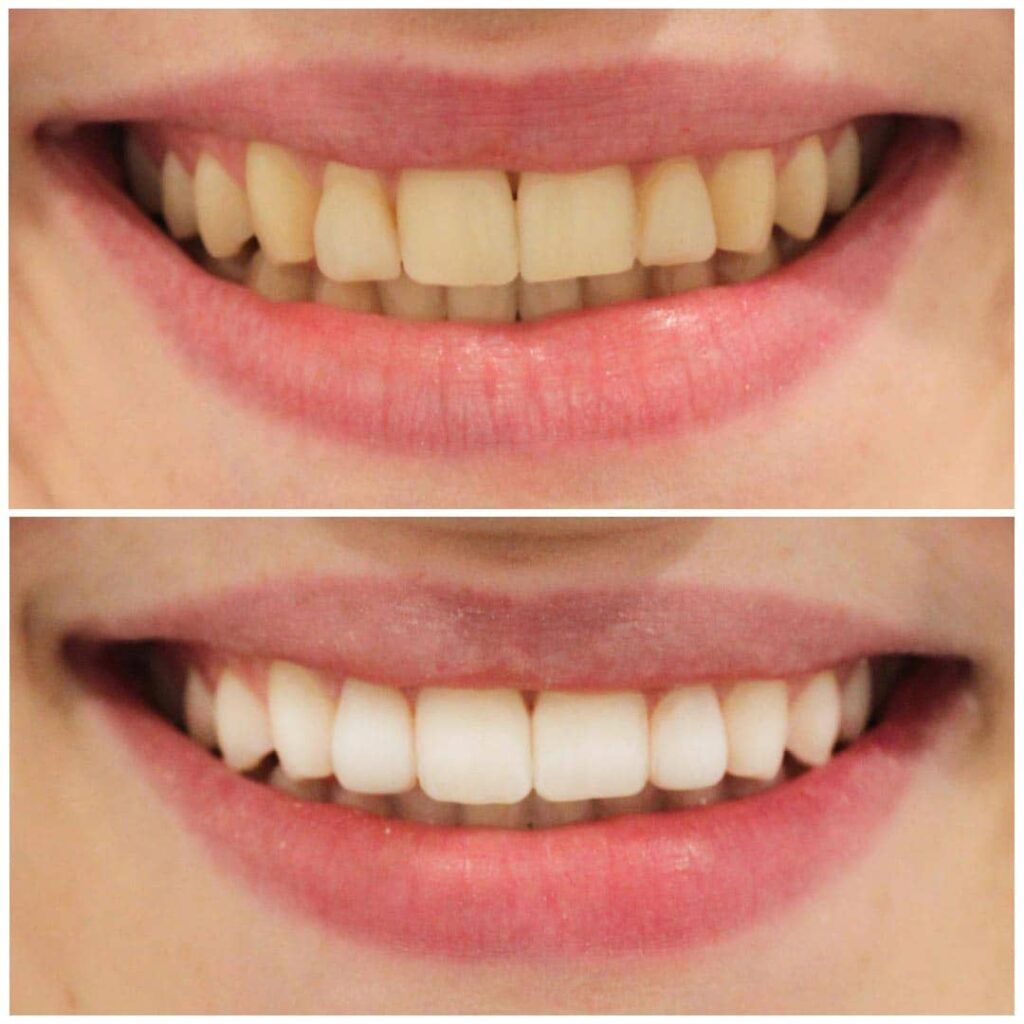
- Bleaching uses peroxide to chemically lighten the tooth itself, reaching stains below the surface.
Hydrogen Peroxide vs. Carbamide Peroxide
Professional and over-the-counter bleaching products rely on one of two active ingredients. Hydrogen peroxide works directly, while carbamide peroxide breaks down and releases about one-third of its content as hydrogen peroxide. In both cases, reactive oxygen penetrates enamel and dentin and breaks apart the colored molecules that cause discoloration.
That penetration happens quickly. Research cited by the ADA shows peroxide can travel from enamel and dentin to the pulp within about 15 minutes. This is why strength, contact time, and fit matter so much when you are deciding how to whiten teeth without irritating the nerves or gums, and why dentists favor controlled, supervised whitening.
Step One: Get a Dental Exam and Cleaning
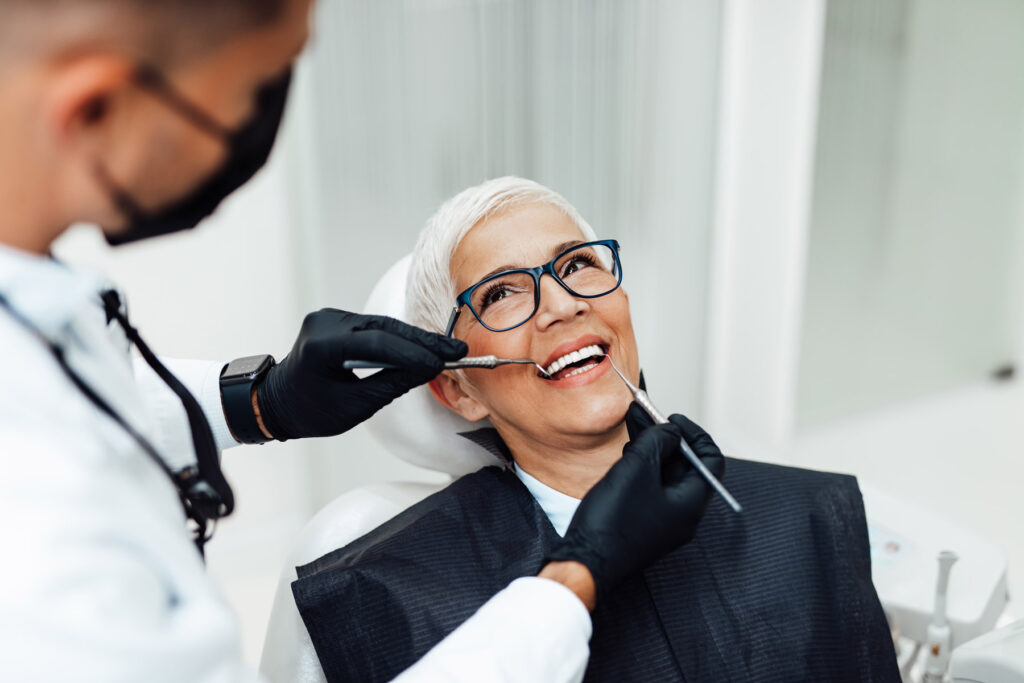
Every safe whitening plan begins with a checkup. The ADA encourages the public to consult a licensed dentist to determine whether whitening is appropriate, and its review describes a pre-treatment exam with a health history and radiographs as needed. During a comprehensive dental exam, your dentist looks for:
- Cavities or leaking fillings, which can let peroxide reach sensitive tissue and cause pain
- Gum disease or recession, since inflamed gums and exposed roots react more strongly to whitening gel
- Cracks and enamel wear, which raise the risk of sensitivity
- Existing crowns, veneers, bonding, or tooth-colored fillings, which will not change color
- The reason behind any single darkened tooth
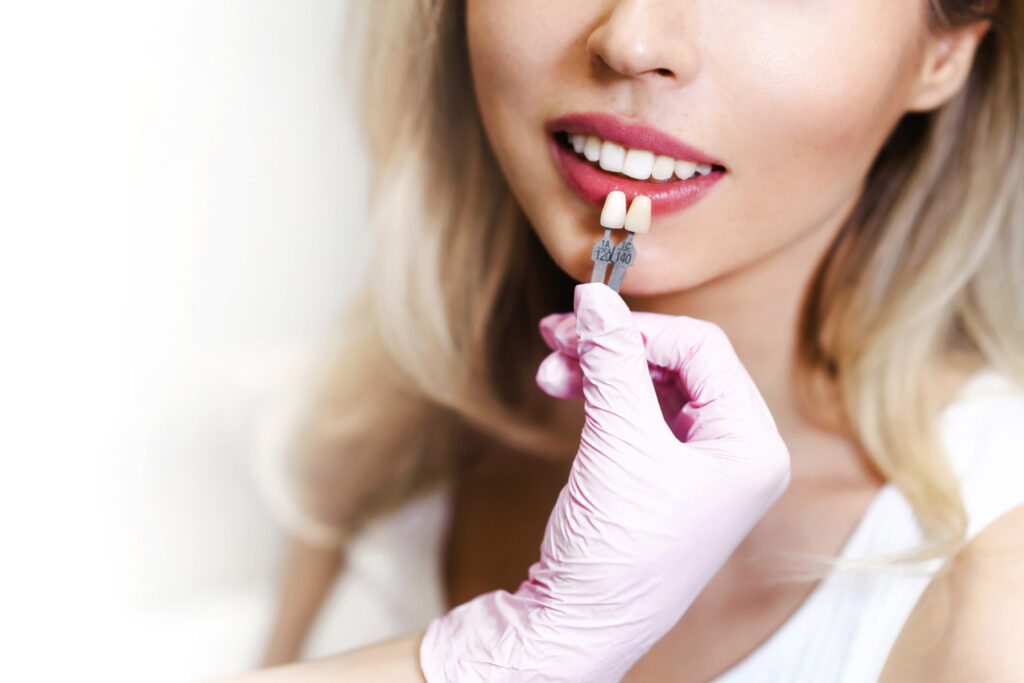
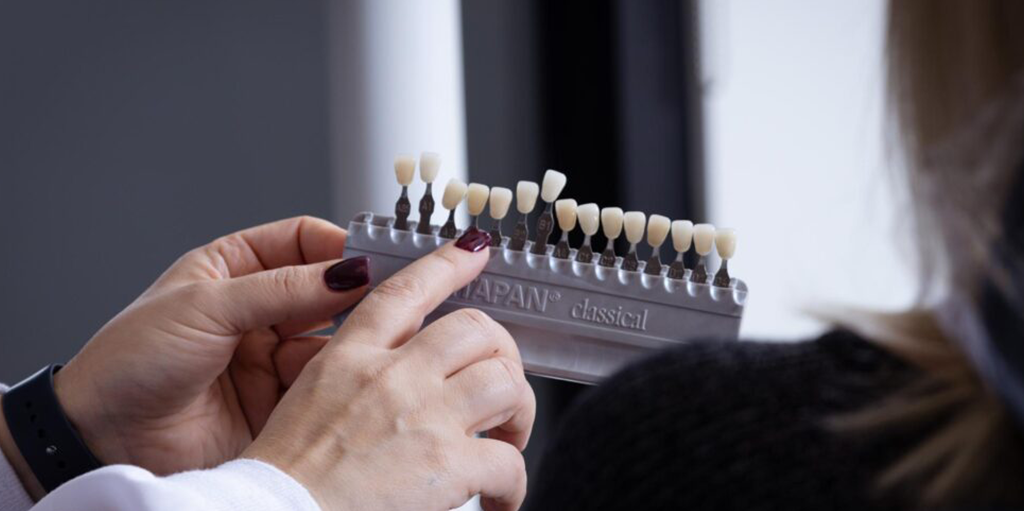
- Your starting shade, recorded so progress can be measured
If it has been a while since your last visit, this guide on your first dental visit as an adult explains what to expect. A cleaning before whitening also removes plaque and tartar so the gel can reach enamel evenly.
How to Whiten Teeth: 4 Dentist-Approved Methods
Once your teeth and gums are healthy, the right choice for how to whiten teeth depends on how quickly you want results, how sensitive your teeth are, and the type of stains involved.
1. In-Office Professional Whitening
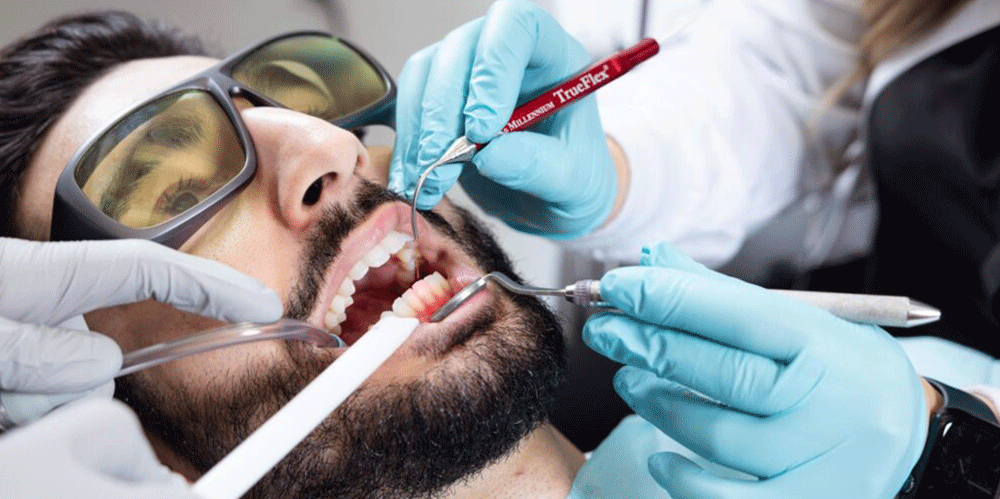
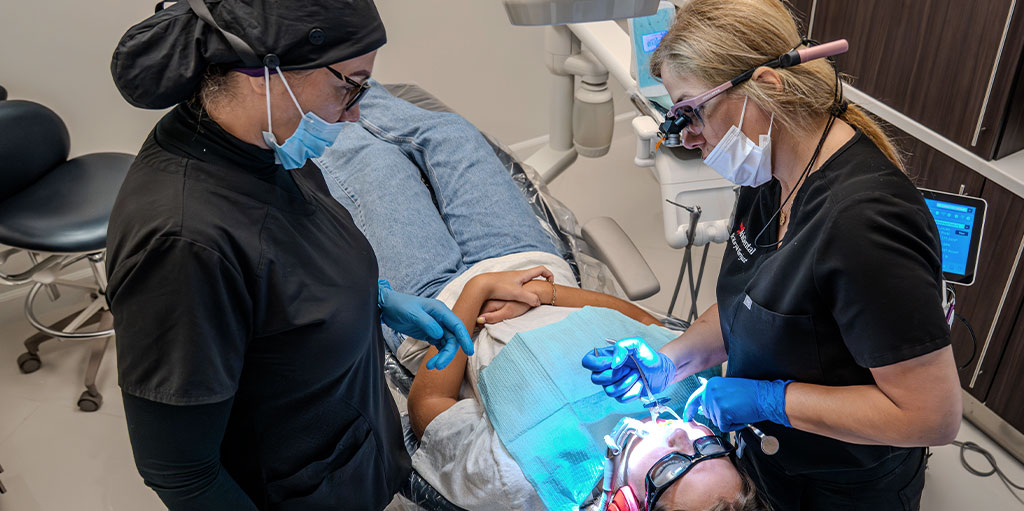
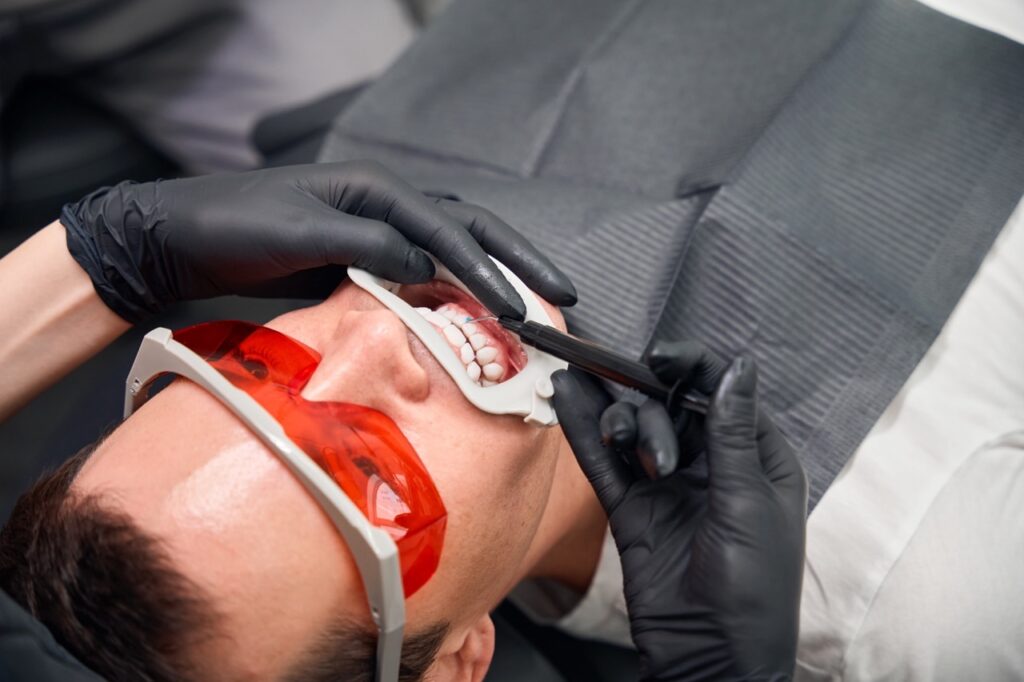
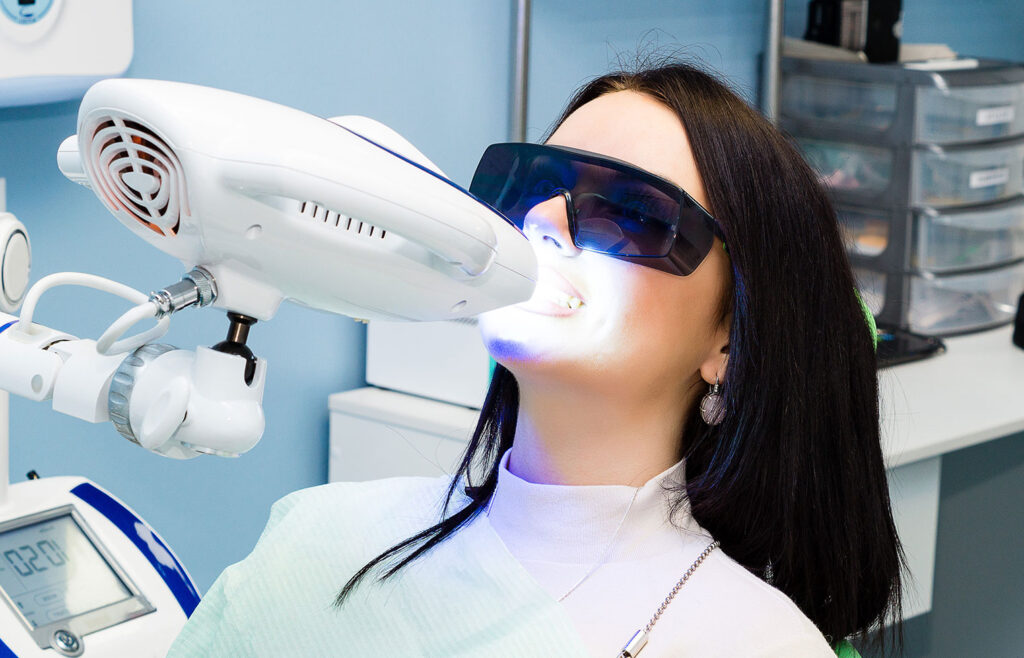
In-office whitening, also called chairside or power bleaching, is the fastest option. Your dentist isolates and protects the gums, applies a higher-strength hydrogen peroxide gel, and monitors it through timed applications. Some systems add a light intended to accelerate the process.
Why patients choose it:
- Visible results in a single appointment, often about an hour
- Gum protection placed and checked by a professional
- Controlled concentration and timing
- Immediate adjustments if sensitivity appears
Higher strength is not automatically better. A systematic review cited by the ADA found that lower in-office hydrogen peroxide concentrations produced less sensitivity and greater color change, which shows why clinical judgment matters.
2. Custom-Fitted Take-Home Trays
Dentist-supervised home whitening uses trays made from impressions or digital scans of your teeth, paired with professional-grade gel. A precise fit keeps the gel on enamel and away from the gums, which is the leading cause of irritation with generic trays and strips.
According to the ADA, take-home systems typically use 10% to 38% carbamide peroxide, with wear times based on strength. Studies report daily wear of 2 to 10 hours over 6 to 28 days. Custom trays work especially well for people who:
- Prefer gradual, adjustable whitening
- Have a history of tooth sensitivity
- Have deeper or more stubborn stains
- Want reusable trays for future touch-ups
Many dentists combine methods, starting with an in-office session and following up with trays to refine and maintain the shade.
3. ADA-Accepted Over-the-Counter Strips
Store-bought strips and paint-on gels contain lower peroxide levels, so results take longer. One study cited by the ADA found an over-the-counter technique needed 16 days to match the whitening of a seven-day custom tray system or a single in-office visit.
To use strips safely:
- Choose products bearing the ADA Seal of Acceptance
- Follow the directions exactly and never extend wear time
- Keep the strips off your gums
- Stop and call your dentist if pain or ongoing sensitivity develops
4. Whitening Toothpaste for Maintenance
Whitening toothpastes remove surface stains with gentle polishing agents, and some include a small amount of peroxide. They will not change your natural tooth color, but they help maintain a brighter shade between professional treatments. Choose a low-abrasion formula with the ADA Seal and brush with a soft-bristled toothbrush.
Teeth Whitening Methods Compared
| Method | Typical Timeline | Dentist Supervision | Best For |
| In-office whitening | About one visit | Yes | Fast results before an event |
| Custom take-home trays | Roughly 1 to 4 weeks | Yes | Sensitive teeth, deep stains, gradual change |
| ADA-accepted strips | Several weeks | No | Mild stains on a budget |
| Whitening toothpaste | Ongoing | No | Maintaining results |
Teeth Whitening Mistakes Dentists Want You to Avoid
Search for how to whiten teeth on social media and you will find plenty of quick hacks. Many are marketed as natural, but natural is not the same as safe.
Scrubbing With Lemon, Vinegar, or Fruit
Lemon juice, apple cider vinegar, orange peels, and strawberry pastes are acidic. Repeated contact softens and dissolves enamel, the protective layer that guards against decay and sensitivity. The ADA’s MouthHealthy guide to natural teeth whitening warns that rubbing fruit or vinegar on teeth puts enamel at risk. In a laboratory study cited by the ADA, a strawberry and baking soda paste produced no measurable whitening.
Brushing With Charcoal or Gritty Powders
Charcoal toothpastes and powders promise detox and instant brightness. However, a literature review in the Journal of the American Dental Association found insufficient clinical and laboratory evidence to back up their safety and effectiveness claims. Highly abrasive products can also scratch away enamel and expose yellower dentin, so teeth may end up looking darker. Lost enamel does not grow back.
Mixing Homemade Peroxide Pastes
Combining drugstore hydrogen peroxide with baking soda makes it impossible to control concentration, abrasiveness, or contact time, which raises the risk of gum irritation and sensitivity.
Overusing Whitening Products
Wearing strips longer than directed or whitening every day for months can increase sensitivity and irritation without improving results. Every tooth has a natural limit to how light it can become.
Relying on Oil Pulling or Spices
There is no reliable scientific evidence that oil pulling or turmeric whitens teeth. They are not a substitute for proven whitening methods or regular dental care.
Getting Whitened at a Kiosk or Salon
Mall kiosks and spas often whiten teeth with no exam at all. The ADA’s policy position is that applying whitening chemicals in someone else’s mouth, apart from self-application or a parent helping a child, is the practice of dentistry. Without an exam, cavities or gum disease can go unnoticed until whitening makes them painful.
Is Teeth Whitening Safe? Side Effects and Prevention
When peroxide whitening is properly supervised and used as directed, it has a strong safety record. A 2022 systematic review cited by the ADA also concluded that hydrogen peroxide whitening products do not appear to have carcinogenic effects on the oral tissues. The side effects people notice most are usually mild and temporary.
Tooth Sensitivity
Sensitivity is the most common side effect. The ADA reports that temporary sensitivity can affect up to two-thirds of people early in treatment. With trays or strips, it often appears within two to three days and usually resolves within a few days after treatment ends.
Gum Irritation
Gum irritation usually comes from poorly fitting trays or gel touching soft tissue. It typically clears soon after treatment is completed, and well-fitted custom trays greatly reduce the risk.
Practical Ways to Stay Comfortable
If you are planning how to whiten teeth and already deal with sensitivity, these steps help:
- Use custom trays that keep gel off the gums
- Start with a lower concentration or shorter wear time
- Whiten every other day if teeth feel tender
- Ask your dentist about a desensitizing toothpaste or gel, often containing potassium nitrate
- Skip very hot, cold, or acidic foods while sensitivity lasts
- Call your dentist about sharp or lingering pain rather than pushing through
If receding gums are part of the problem, treating gum recession or inflammation with periodontal treatment first can make whitening far more comfortable.
Who Is a Good Candidate for Teeth Whitening?
Most healthy adults with natural teeth are good candidates. The approach to how to whiten teeth changes, however, in these situations:
- Pregnancy or breastfeeding. As a precaution, Aria Dental Care recommends postponing elective whitening.
- Children and young teens. The American Academy of Pediatric Dentistry discourages full-arch cosmetic bleaching while primary teeth are still present. Families can learn more about holistic pediatric dentistry.
- Untreated decay, cracks, or gum disease. Treat these before whitening.
- Crowns, veneers, or bonding on front teeth. Restorations will not lighten and may stand out afterward.
- Planned bonding or veneers. Bleaching may temporarily weaken bonding to enamel, so dentists usually whiten first and place restorations afterward.
- Expectations of a paper-white smile. Results depend on your starting shade and stain type.
When Whitening Isn’t Enough: Cosmetic Alternatives
For some patients, the most honest answer to how to whiten teeth is that bleaching alone will not reach the goal. Deep tetracycline bands, severe fluorosis, a single dark tooth, or older dental work that no longer matches may call for another solution:
- Porcelain veneers cover stubborn stains while refining tooth shape and proportion.
- Cosmetic bonding conceals small stained or chipped areas with tooth-colored resin.
- Porcelain crowns or zirconia crowns restore color and strength to weakened teeth.
- Metal-free fillings can replace dark amalgam fillings, removed using a safe amalgam removal protocol (SMART). Read more in this guide to biocompatible fillings.
When whitening is part of a larger smile makeover, it usually comes first so new restorations can be matched to your brighter natural shade.
How to Make Whitening Results Last
Learning how to whiten teeth is only half the job, because whitening is not permanent. Good habits extend it considerably. Dr. Horiyat notes that results can last from several months to about three years, depending on diet, hygiene, and lifestyle. To keep your smile bright:
- Brush twice a day and clean between your teeth daily
- Rinse with water after coffee, tea, or red wine
- Use a straw for dark drinks when practical
- Avoid all forms of tobacco
- Schedule professional cleanings, generally every six months
- Use custom trays for occasional touch-ups as your dentist advises
- Limit pigmented foods and drinks for a day or two after whitening, as many dentists suggest
The Aria Dental Care Approach to Holistic Teeth Whitening
At Aria Dental Care, whitening is part of whole-body care, not a quick cosmetic add-on. Dr. Horiyat begins every whitening plan with an exam to confirm that teeth and gums are healthy before any bleaching agent is used. A graduate of UCLA and UCSF, she is an accredited member of the International Academy of Oral Medicine and Toxicology (IAOMT) and certified by the International Academy of Biological Dentistry and Medicine (IABDM), and she brings that holistic and biological philosophy to every cosmetic treatment.
Depending on your goals and sensitivity, professional teeth whitening at Aria Dental Care may include:
- Venus White chairside whitening, a fluoride-free system the practice offers as its biocompatible in-office option, typically completed in about an hour
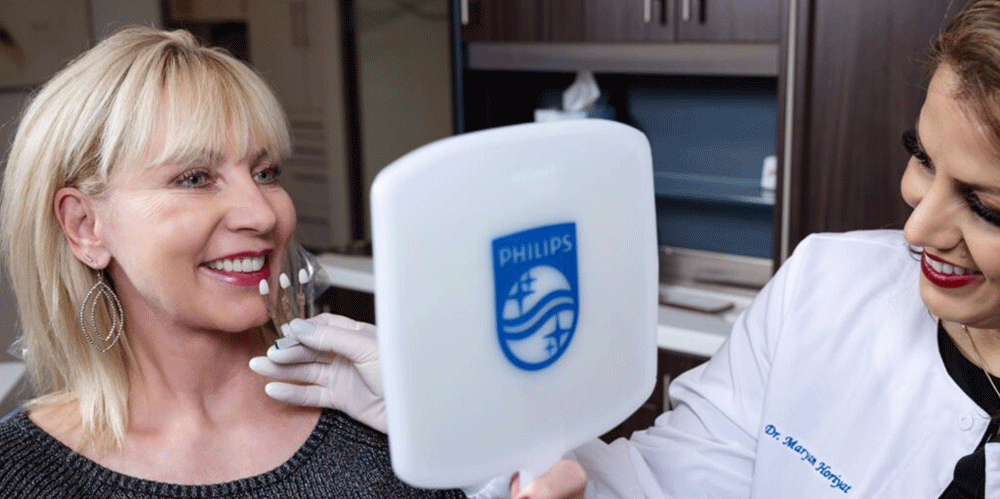
- Philips Zoom in-office whitening, which Philips reports can lighten teeth up to eight shades in about 45 minutes of treatment time
- KöR Whitening Deep Bleaching System, which its maker designed for more stubborn and intrinsic stains
- Custom take-home trays with professional gel, such as Opalescence or Zoom take-home kits, molded to fit precisely along the gumline
- Ozone therapy, offered within the practice’s holistic philosophy; because its role in whitening is less studied than peroxide, Dr. Horiyat discusses whether it fits your goals
Every plan is personalized, with careful gum protection, sensitivity management, and realistic shade goals. Patients from Mission Viejo, Laguna Niguel, Rancho Santa Margarita, Ladera Ranch, San Clemente, and across Orange County can also explore payment and financing options for cosmetic care.
Book Your Teeth Whitening Consultation in Mission Viejo
Knowing how to whiten teeth safely is the first step. The next is a plan built around your teeth, your gums, and your overall health. Dr. Maryam Horiyat and the Aria Dental Care team combine cosmetic artistry with a biocompatible, whole-body approach, so a brighter smile never comes at the expense of your well-being.
Book your whitening consultation online, call (949) 364-9600, or contact our office. Aria Dental Care is located at 27652 Crown Valley Pkwy, Mission Viejo, CA 92691.