




If you are exploring dental implant options, chances are you have come across two very different material worlds: acrylic and zirconia. Both can be used in implant-supported restorations, and both have their advocates, but they are fundamentally different in composition, biological compatibility, aesthetic performance, and long-term durability. So when it comes to acrylic vs. zirconia dental implants, which material truly delivers for patients who value their health as much as their smile?
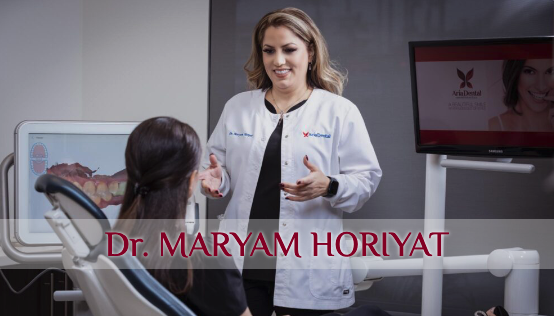
At Aria Dental Care, Dr. Maryam Horiyat, DDS, AIAOMT, CIABDM, Orange County’s leading holistic and biological dentist, has guided hundreds of patients through this exact decision. With deep expertise in biocompatible materials, holistic implant protocols, and the latest ceramic dentistry technologies, she brings a perspective that goes well beyond aesthetics. This guide is designed to give you the thorough, evidence-informed comparison you deserve, so you can make a choice that aligns with both your health goals and your lifestyle.
Quick Takeaway: Zirconia consistently outperforms acrylic in biocompatibility, aesthetics, durability, and long-term health outcomes for permanent implant restorations. Acrylic, however, still plays a valuable role as a temporary solution during the healing phase. Read on to understand exactly why, and when each material makes sense.
Understanding Dental Implant Materials: What Are We Actually Comparing?
Before diving into the head-to-head comparison of acrylic vs. zirconia dental implants, it is important to clarify what we mean by each term. “Dental implant” refers to the entire system, the titanium or zirconia post placed in the jawbone, the abutment that connects to it, and the crown or restoration that sits on top and looks like your tooth. In everyday conversation, patients and even some dental professionals use “dental implants” loosely to refer to the crown or the whole visible restoration.
What Is an Acrylic Dental Restoration?
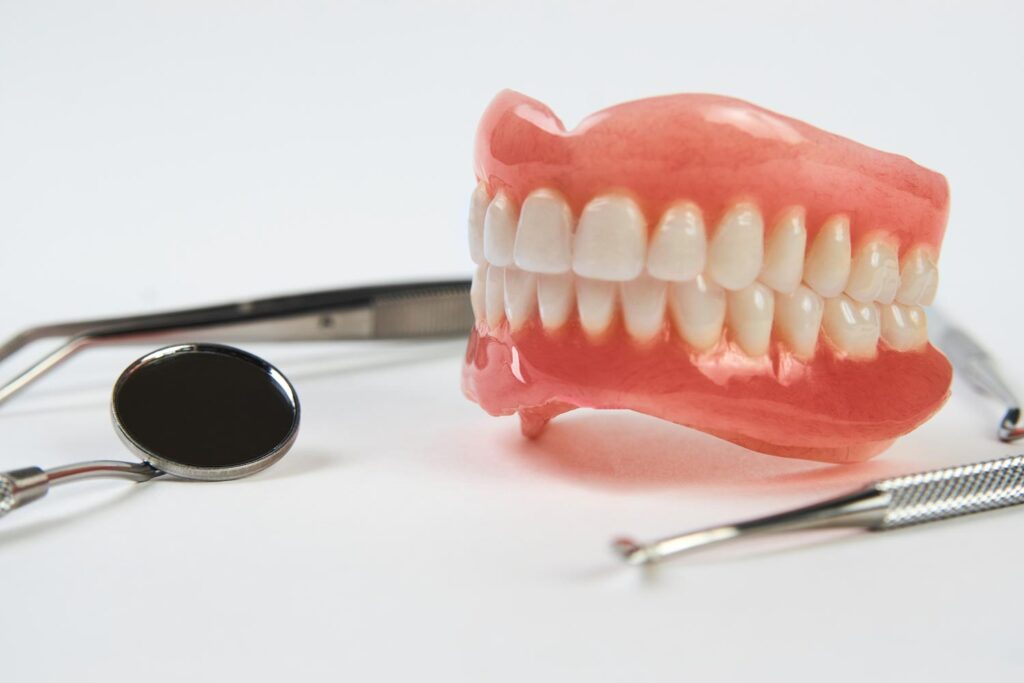
Acrylic, also known as polymethyl methacrylate (PMMA), is a type of hard plastic resin that has been used in dentistry for decades. In the context of implants, acrylic is most commonly used for temporary or transitional crowns, bridges, or full-arch provisional restorations, such as those used in “All-on-4” procedures. It is lightweight, inexpensive, easy to customize, and quick to fabricate, making it a practical short-term solution while the implant site heals and integrates with the bone, a process called osseointegration.
What Is a Zirconia Dental Implant or Restoration?
Zirconia, short for zirconium dioxide (ZrO₂), is an advanced ceramic material that has rapidly become the gold standard in modern biological and cosmetic dentistry. Zirconia can be used both as the implant post itself (replacing traditional titanium posts) and as the material for the crown or restoration placed on top. It is exceptionally strong, tooth-colored, metal-free, and remarkably biocompatible, making it the preferred material for health-conscious, holistic dental patients.
So when people ask about acrylic vs. zirconia dental implants, they are often comparing:
- A temporary acrylic crown or full-arch bridge vs. a permanent zirconia crown or bridge
- A zirconia implant post vs. a traditional titanium post (which then supports either an acrylic or zirconia crown)
- The overall material philosophy, plastic-based vs. ceramic-based restorations
For the purposes of this article, we will address all three angles, because each matters for your long-term oral and overall health.
Biocompatibility: The Most Important Factor for Holistic Dental Patients
For patients who pursue holistic or biological dentistry, biocompatibility is not just a preference, it is a non-negotiable. The materials placed in your mouth can interact with your body’s systems in ways both visible and invisible, and both acrylic and zirconia have very different biological profiles.
Acrylic and Potential Health Concerns
Acrylic resin contains residual monomers, particularly methyl methacrylate (MMA), that can leach into saliva and surrounding tissues, especially in newly fabricated or older restorations. Research published in dental materials journals has identified that these monomers can cause local irritation, contact stomatitis, and in sensitive individuals, systemic allergic responses. While fully polymerized acrylic is more stable, it is still a synthetic polymer that degrades over time with exposure to heat, moisture, and chewing forces.
Additionally, acrylic is porous. Its microscopic surface pores can harbor bacteria, biofilm, and fungi, contributing to higher rates of peri-implant disease, bad breath, and soft tissue inflammation when used as a long-term material. For patients working to maintain systemic health and minimize their toxic burden, this is a meaningful concern.
Zirconia’s Superior Biocompatibility Profile
Zirconia, by contrast, is one of the most biologically inert materials used in modern medicine. It is completely non-metallic, non-corrosive, and hypoallergenic. Unlike titanium implants, which, while generally well-tolerated, can release small amounts of metal ions over time, zirconia releases no ions, generates no galvanic currents, and does not interact with the body’s electromagnetic pathways.
According to research reviewed by the National Institutes of Health (NIH), zirconia implants demonstrate excellent osseointegration and soft tissue compatibility, with a smooth surface that actively resists bacterial adhesion. This means less plaque accumulation, healthier gum tissue, and a dramatically lower risk of peri-implant infection.
For patients at Aria Dental Care who have been diagnosed with heavy metal sensitivities, autoimmune conditions, or who follow integrative health protocols, zirconia is the material of choice, and Dr. Horiyat’s expertise in biological implant placement ensures that the entire protocol, from post to crown, is designed to support, not stress, your immune system.
Aesthetics and Natural Appearance: Which Looks Better?
A dental implant is not just a health investment, it is a cosmetic one. You want your restoration to look indistinguishable from your natural teeth, especially in visible areas of the smile.
The Aesthetic Limitations of Acrylic
Acrylic crowns and bridges can be made to look quite convincing, initially. However, acrylic is prone to staining, color shifting, and surface wear over time. Coffee, tea, red wine, and even certain medications can cause discoloration of acrylic restorations within months. The material also lacks the translucency that natural tooth enamel possesses, meaning acrylic teeth can look flat or opaque under direct light.
Furthermore, as acrylic wears down, the surface becomes rough and increasingly porous, trapping more stains and bacteria, and requiring more frequent polishing or replacement to maintain an acceptable appearance.
Zirconia’s Exceptional Aesthetic Performance
Zirconia crowns and full-arch bridges deliver an aesthetic result that rivals, and in many cases surpasses, traditional porcelain restorations. Modern high-translucency zirconia mimics the natural layered appearance of tooth enamel, including the subtle gradients of color from the root to the biting edge. At Aria Dental Care, Dr. Horiyat uses monolithic zirconia and multilayered zirconia restorations that are custom-shaded to match the specific color, shape, and texture of each patient’s natural dentition.
Zirconia resists staining effectively, maintains its polished surface for years, and does not change color over time. For patients receiving full-arch implant restorations, such as the popular All-on-X procedures, zirconia provides a lifelike, durable, and stunning result that acrylic simply cannot match over the long term.
Strength, Durability, and Long-Term Performance
Your teeth endure enormous mechanical stress, chewing, grinding, clenching, biting hard foods. Whatever material your implant restoration is made from must be able to handle this abuse consistently, for years or decades.
How Acrylic Performs Under Pressure
Acrylic is relatively soft compared to natural enamel and zirconia. It is prone to:
- Chipping and fracture, especially on posterior teeth or in patients who grind their teeth (bruxism)
- Wear that flattens the biting surface over time, affecting bite accuracy and comfort
- Deformation under prolonged occlusal load, particularly in full-arch provisional bridges
As a result, acrylic restorations typically need repair or replacement within one to five years, even when they are well-maintained. As a temporary material used during a four-to-six-month healing period, this is acceptable. As a permanent restoration, it is not a sound long-term investment.
Zirconia’s Remarkable Mechanical Strength
Zirconia is one of the strongest ceramic materials available in dentistry. Its flexural strength, the measure of how much bending force it can withstand before fracturing, exceeds that of both acrylic and many traditional porcelain materials. High-strength zirconia grades used in dental implantology can withstand the forces of normal chewing, occasional hard food impact, and even moderate bruxism without cracking or deforming.
Long-term clinical studies, including data cited by the American Dental Association (ADA), have demonstrated survival rates for zirconia implants and restorations comparable to titanium-supported porcelain alternatives, with rates exceeding 95% at five-year follow-up. With proper care, zirconia restorations can last 15 to 25 years or longer, making them a genuinely permanent investment in your smile.
Acrylic vs. Zirconia Dental Implants: Side-by-Side Comparison
| Feature | Acrylic | Zirconia |
| Biocompatibility | May leach monomers; porous surface | Inert, hypoallergenic, ion-free |
| Metal-Free | No metals (but synthetic polymer) | Fully metal-free ceramic |
| Aesthetics | Opaque; stains over time | Natural translucency; stain-resistant |
| Strength | Prone to chipping and wear | Exceptional flexural strength |
| Bacterial Resistance | Porous; retains more biofilm | Smooth; resists bacterial adhesion |
| Longevity | 1–5 years (provisional use) | 15–25+ years (permanent restoration) |
| Suitable for Bruxism | High fracture risk | Handles moderate bruxism well |
| Cost (upfront) | Lower | Higher (but better long-term value) |
| Ideal Use Case | Temporary/provisional during healing | Permanent, final restoration |
| Holistic Dentistry Approved | Not preferred for final restoration | Gold standard in biological dentistry |
Cost Considerations: Is Zirconia Worth the Investment?
One of the most common questions patients ask when comparing acrylic vs. zirconia dental implants is: “Is the price difference really justified?” It is a fair and important question, because dental implant treatment is a significant financial commitment regardless of the materials chosen.
Upfront Cost Differences
Acrylic restorations are considerably less expensive to fabricate. A full-arch acrylic provisional bridge used during implant healing may cost significantly less than its zirconia counterpart. For patients managing tight budgets during a phased treatment plan, this distinction matters.
Zirconia restorations require advanced CAD/CAM milling technology, high-grade raw materials, and skilled laboratory craftsmanship. This drives the upfront cost higher, but the comparison does not end there.
Long-Term Value and Total Cost of Ownership
When you factor in the need to replace acrylic restorations every few years, due to wear, staining, fracture, or biological concerns, the cumulative cost of acrylic over a decade can easily match or exceed the one-time investment in zirconia. Moreover, zirconia’s superior bacterial resistance means fewer dental visits for peri-implant disease treatment, fewer antibiotics, and less remediation of failed restorations.
At Aria Dental Care, we help patients understand the true cost of their dental decisions, not just today, but over the lifetime of their smile. Dr. Horiyat’s philosophy is simple: invest once in the right materials, and they will serve you for life.
The Holistic and Biological Dentistry Perspective
Biological and holistic dentistry is not just about avoiding mercury or going metal-free, it is a comprehensive philosophy that recognizes the inseparable connection between oral health and whole-body wellness. This approach, championed by organizations like the International Academy of Oral Medicine and Toxicology (IAOMT), of which Dr. Horiyat is a proud Accredited Member, evaluates every material, procedure, and protocol through the lens of systemic health impact.
Why Holistic Dentists Prefer Zirconia
Holistic dentists favor zirconia for several compelling reasons:
- Zero metallic ion release: Unlike titanium, zirconia does not shed ions that can accumulate in tissues or interfere with immune function.
- No galvanic currents: Metal restorations in the presence of saliva can generate small electrical currents that some practitioners believe disturb biological energy pathways (meridians). Zirconia is completely non-conductive.
- Compatibility with meridian-related teeth: In biological dentistry, each tooth is associated with an organ system via energetic meridians. Placing biologically inert materials avoids potential disruption to these pathways.
- Support for immune-compromised patients: Patients with autoimmune disease, Lyme disease, chronic inflammatory conditions, or heavy metal toxicity benefit most from the ultra-clean biological environment zirconia supports.
- Reduced systemic inflammatory load: By resisting bacterial colonization more effectively, zirconia contributes to lower peri-implant inflammation, which has been linked in research to broader systemic inflammatory markers.
Dr. Horiyat’s Approach at Aria Dental Care
At Aria Dental Care, every implant case begins with a thorough biocompatibility assessment. Dr. Horiyat takes into account each patient’s immune status, systemic health history, nutritional profile, and even energetic health before recommending a material. For the vast majority of patients seeking a permanent implant-supported restoration, zirconia is the clear recommendation, and her outcomes speak for themselves.
Who Should Choose Acrylic, And When?
Despite zirconia’s clear advantages for permanent restorations, acrylic is not without its place in a well-structured implant treatment plan.
Appropriate Uses for Acrylic in Implant Dentistry
- Provisional (temporary) crowns: While the implant post osseointegrates with the jaw over three to six months, a temporary acrylic crown protects the abutment, maintains aesthetics, and allows the gum tissue to heal properly around the restoration profile.
- Immediate load provisionals: In same-day implant procedures, acrylic bridges are placed immediately and help the patient leave with functional, aesthetic teeth on the day of surgery, before the final zirconia restoration is fabricated.
- Evaluation of bite and aesthetics: A temporary acrylic restoration allows both patient and dentist to assess and refine the occlusion, shape, and appearance before committing to the final permanent zirconia restoration.
- Budget-constrained phased treatment: For patients undergoing multi-implant reconstruction who need to phase their treatment over time for financial reasons, acrylic can bridge the gap while planning for the long-term zirconia upgrade.
In these contexts, acrylic is a clinically smart and patient-friendly choice. The key is ensuring that the transition from acrylic to zirconia happens in a timely manner, and that patients understand acrylic is a stepping stone, not a destination.
Maintenance, Oral Hygiene, and Lifestyle Compatibility
Your ability to keep your implant restoration clean and healthy at home is a critical factor in its long-term success, and the two materials behave very differently in this regard.
Caring for Acrylic Implant Restorations
Acrylic requires diligent cleaning because of its porosity. Patients with acrylic provisional bridges should:
- Rinse with a non-alcoholic antibacterial mouthwash twice daily
- Use a soft-bristle toothbrush and non-abrasive toothpaste to avoid scratching the surface
- Avoid hard, crunchy, or sticky foods that could fracture or dislodge the provisional
- Return for more frequent professional cleanings to manage biofilm buildup
- Avoid staining foods and beverages where possible
Caring for Zirconia Implant Restorations
Zirconia is considerably easier to maintain. Its smooth, hard surface is naturally resistant to staining and bacterial adhesion, meaning it stays cleaner longer with regular brushing and flossing. Patients with zirconia restorations:
- Can use standard toothpaste (non-abrasive preferred) and a soft toothbrush
- Should floss around implant abutments using implant-specific floss or a Waterpik irrigator
- Can eat normally, including most hard foods within reasonable limits
- Generally need professional cleaning only twice per year, as with natural teeth
In short, zirconia is more compatible with an active, normal lifestyle, and requires less behavioral modification than acrylic to maintain long-term health.
The Final Verdict: Acrylic vs. Zirconia Dental Implants
After examining biocompatibility, aesthetics, durability, cost, oral hygiene compatibility, and the holistic health perspective, the answer to the question of acrylic vs. zirconia dental implants becomes clear, with one important nuance.
The Verdict: Zirconia is the superior choice for permanent, final implant restorations. It outperforms acrylic in every category that matters for long-term health, aesthetics, and function. Acrylic, however, remains a clinically appropriate and valuable material for temporary, provisional use during the healing and planning phases of implant treatment. The best implant outcomes often involve both, starting with acrylic and transitioning to zirconia.
At Aria Dental Care, this is precisely the philosophy Dr. Horiyat applies: thoughtful, phased treatment that begins with provisional acrylic restorations during osseointegration, followed by beautifully crafted, biologically compatible zirconia final restorations. The result is a permanent smile that is not only stunning but genuinely health-supportive, free from the biological compromises that come with synthetic polymers or metallic materials.
If you are in Orange County and exploring dental implant options, the team at Aria Dental Care is ready to help you navigate your choices with expert guidance, state-of-the-art technology, and a genuine commitment to your whole-body wellbeing. No other dental office in Orange County brings together Dr. Horiyat’s level of holistic training, cosmetic skill, and biological implant expertise under one roof.
Frequently Asked Questions About Acrylic vs. Zirconia Dental Implants
1. Are zirconia dental implants safer than acrylic for long-term use?
From a biocompatibility standpoint, zirconia is the preferred material for long-term, permanent implant restorations. Zirconia is an inert ceramic that releases no ions, triggers no allergic responses, and resists bacterial adhesion, all of which contribute to a healthier oral and systemic environment. Acrylic, while generally safe in short-term provisional use, can release residual monomers and harbor more bacteria due to its porous surface structure. For health-conscious and holistic dental patients, zirconia is the clear long-term choice.
2. How long do zirconia implants last compared to acrylic restorations?
Zirconia implant restorations are designed for permanent use and, with proper care, can last 15 to 25 years or longer. Clinical studies show survival rates exceeding 95% at five-year follow-up. Acrylic restorations used as temporary crowns or bridges typically need replacement every one to five years due to wear, staining, and surface degradation. This longevity difference makes zirconia far more cost-effective over the lifetime of the restoration.
3. Can I get zirconia implants if I have metal allergies or sensitivities?
Yes, in fact, zirconia implants are specifically recommended for patients with metal sensitivities. Zirconia (zirconium dioxide, ZrO₂) is a non-metallic ceramic material. Despite the name containing “zirconium,” the dioxide form used in dental implants has no metallic properties and does not release ions. It is hypoallergenic, non-corrosive, and safe for patients with nickel, titanium, or other metal sensitivities. This makes it the gold standard in truly metal-free, holistic implant dentistry.
4. Is acrylic ever the right choice for dental implant restorations?
Absolutely, but only in the right context. Acrylic shines as a temporary or provisional material during the implant healing phase, which typically lasts three to six months. During this time, a well-made acrylic crown or bridge allows the implant post to properly integrate with the jawbone while giving you functional, aesthetically acceptable teeth. It also allows your dentist to fine-tune the bite and shape before committing to the final permanent restoration. Think of acrylic as an essential, carefully planned stepping stone, not a long-term solution.
5. How much more expensive are zirconia implant restorations compared to acrylic?
Zirconia restorations typically cost two to four times more than comparable acrylic options upfront, due to the advanced milling technology, premium raw materials, and skilled laboratory work involved. However, when you account for the need to replace acrylic restorations every few years, along with the cost of treating peri-implant disease that is more common with porous acrylic surfaces, zirconia often proves more economical over a 10 to 20-year horizon. At Aria Dental Care, we help patients understand the full financial picture so they can make the most informed, value-driven decision for their health and their budget.

About the Author
Dr. Maryam Horiyat, DDS, AIAOMT, CIABDM is the founder and lead dentist at Aria Dental Care in Orange County, California. A highly trained, certified, and accredited member of the International and American Holistic, Biological, Cosmetic, Sedation, Reconstructive, and Implant Associations, Dr. Horiyat brings unparalleled expertise in biocompatible materials, holistic implant protocols, and cosmetic dentistry to every patient she serves. Her mission is to deliver premium, health-first dental care that honors the whole person, not just the tooth.
Aria Dental Care, Orange County’s #1 Holistic, Biological & Cosmetic Dental Office
🌐 ariadentalcare.com