




If your new crown feels a little too tall, catches on your tongue, or bumps against the opposing tooth when you bite down, one question tends to surface right away: can a porcelain crown be reshaped, or does the whole restoration have to come off and start over? The reassuring answer is that in many situations, yes, a porcelain crown can be reshaped. A skilled dentist can often refine, contour, and polish an existing restoration so it fits your bite comfortably, protects the tooth underneath, and blends naturally with your smile, all without the cost, time, and tooth stress of a full replacement.
At Aria Dental Care in Mission Viejo, that conservative mindset is the starting point rather than the exception. As a holistic and biological dental practice, our team looks first at what can be preserved before considering what needs to be redone. This guide walks through when reshaping a porcelain crown is possible, when adjustment is not enough, and why a biological approach so often favors careful adjustment before replacement. You will learn how the process actually works, what to expect at your appointment, and how a minimally invasive philosophy protects both your natural tooth structure and your long term oral health.
One quick note on terminology before we begin: throughout this article, the phrase “can a porcelain crown be reshaped” is used alongside related terms such as porcelain crown adjustment, occlusal adjustment, crown contouring, and dental restoration refinement. These variations describe closely connected ideas, and using them together reflects how dentists actually talk about the work rather than repeating a single phrase over and over.
Can a Porcelain Crown Be Reshaped? The Short Answer
For most patients, the honest and useful answer is: often, but not always, and the difference matters a great deal.
A porcelain crown can be reshaped when the change needed is subtractive, meaning a small amount of material is carefully removed and the surface is then re-polished. Common examples include lowering a high spot on the biting surface, smoothing a rough edge near the gumline, softening a sharp contact point between neighboring teeth, or gently refining a contour that feels bulky against your cheek or tongue. These adjustments are routine, and an experienced dentist performs them regularly.
Reshaping is far more limited, and sometimes not possible at all, when the change needed is additive. Porcelain and other ceramic materials cannot simply have new material grown back onto them in the mouth. If a crown is too short, too narrow, the wrong shade, or missing a significant piece from a fracture, no amount of reshaping will build it back up. In those cases, replacement or, occasionally, a bonded repair becomes the realistic path forward.
So the practical rule of thumb is this: if the fix involves taking a little away and refining what is there, reshaping a porcelain crown is usually on the table. If the fix requires adding material, changing the color, or correcting a poor internal fit, adjustment alone will not solve it.
Understanding Porcelain Crowns and Why Shape Matters
To understand what can and cannot be reshaped, it helps to understand what a porcelain crown actually is and how its shape interacts with the rest of your mouth.
What Porcelain Crowns Are Made Of
A dental crown is a custom made cap that covers a tooth to restore its strength, shape, and appearance. According to the American Dental Association, crowns are commonly used to protect a weakened tooth, restore a broken or worn tooth, cover a large filling, or top a dental implant. You can read the ADA’s patient overview of crowns at MouthHealthy.org.
Modern tooth colored crowns are typically made from all ceramic materials such as porcelain, lithium disilicate, or zirconia, sometimes layered for a lifelike appearance. These materials are prized for their strength and their ability to mimic natural enamel. That same hardness, though, is exactly why reshaping requires the right instruments and a careful hand. Fired porcelain is durable and glass like, so it must be adjusted with fine diamond instruments and then re-polished to restore a smooth, tooth friendly surface. Our team explains the different ceramic systems in more depth in the guide to everything you should know about porcelain crowns.
At Aria Dental Care, material choice is also a whole body consideration. Our practice philosophy emphasizes biocompatible, metal conscious restorations chosen with the patient’s overall health in mind, an approach reflected across our porcelain dental crowns. When a ceramic crown can be preserved and refined rather than replaced, that also means fewer materials introduced, less waste, and less disturbance to the tooth underneath.
How Crown Shape Affects Your Bite and Comfort
The shape of a crown is not just cosmetic. Even a fraction of a millimeter of extra height on the chewing surface can throw off the way your upper and lower teeth meet. This is called the occlusion, and when a crown sits even slightly high, it can create a cascade of problems:
- A sore, tender tooth that aches when you chew
- Jaw muscle fatigue or tension, sometimes felt around the temples or the jaw joint
- Sensitivity to hot and cold that seems to appear after the crown was placed
- Uneven wear on the opposing tooth over time
- A vague sense that the bite simply feels “off”
Because the bite is a system, a well fitted crown has to cooperate with every other tooth. This is why occlusal adjustment, the technical term for refining how teeth come together, is one of the most common and most valuable reasons a porcelain crown is reshaped. Getting the bite right is not a luxury. It is central to comfort, to the longevity of the restoration, and to the health of the jaw joint and surrounding muscles. When bite imbalance is more than a single high crown, our team evaluates it as part of overall jaw function, which you can read about on our TMJ and bite balance page.
When a Porcelain Crown Can Be Reshaped
Several everyday situations call for reshaping rather than replacement. Recognizing them early can save you discomfort, time, and money.
High Bite Spots and Occlusal Adjustment
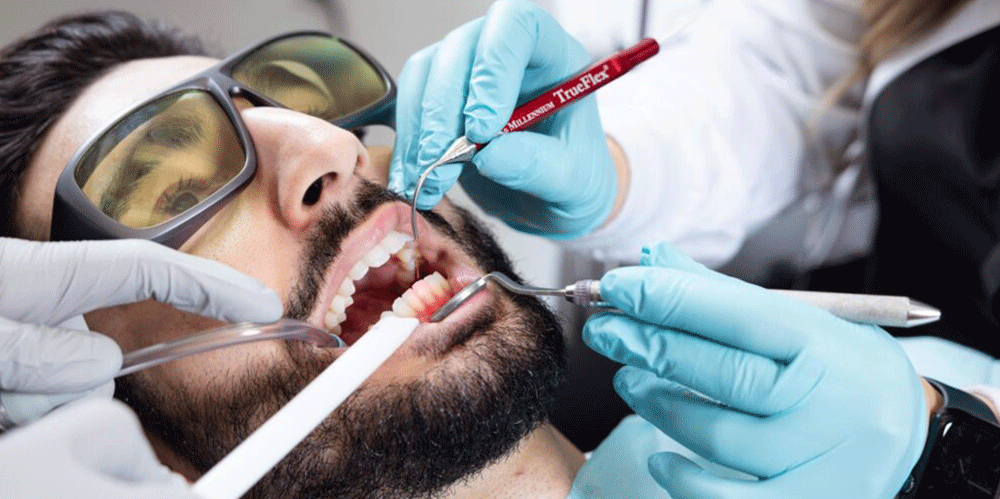
The single most common reason to reshape a crown is a high spot on the biting surface. After a crown is cemented, the mouth is a little numb from anesthetic, so a tiny elevation can go unnoticed in the chair and only reveal itself hours later when you eat. Adjusting a high crown is quick and routine. Using marking paper to identify exactly where the crown contacts the opposing tooth, the dentist removes a whisper of material from the high points and re-checks the bite until the pressure is distributed evenly. This is textbook porcelain crown adjustment, and it is far better to have it done than to chew around a painful tooth for weeks.
Rough Edges and Margins
Sometimes a crown feels rough where it meets the gumline, or a small ledge catches floss or traps food. Refining and polishing the margin can smooth that transition, making the area easier to keep clean and more comfortable against the gum tissue. Smooth margins are not just about comfort. They support healthier gums and reduce the plaque traps that can lead to inflammation around the restoration.
Minor Cosmetic Contouring
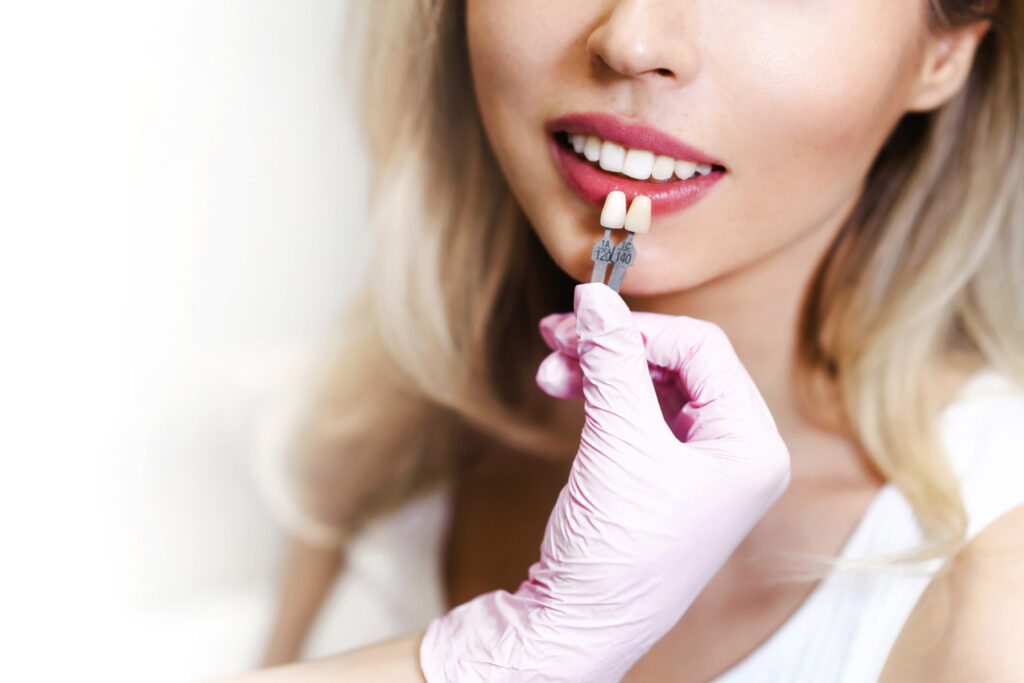
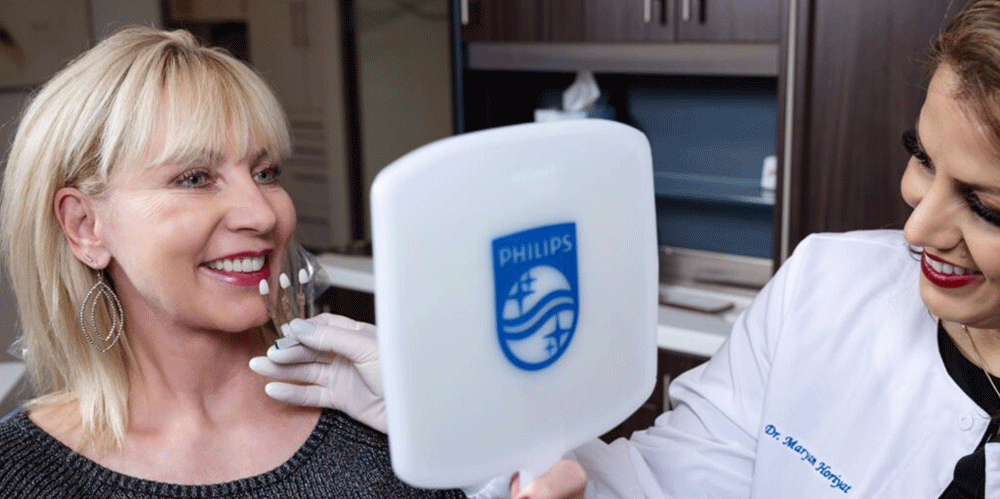
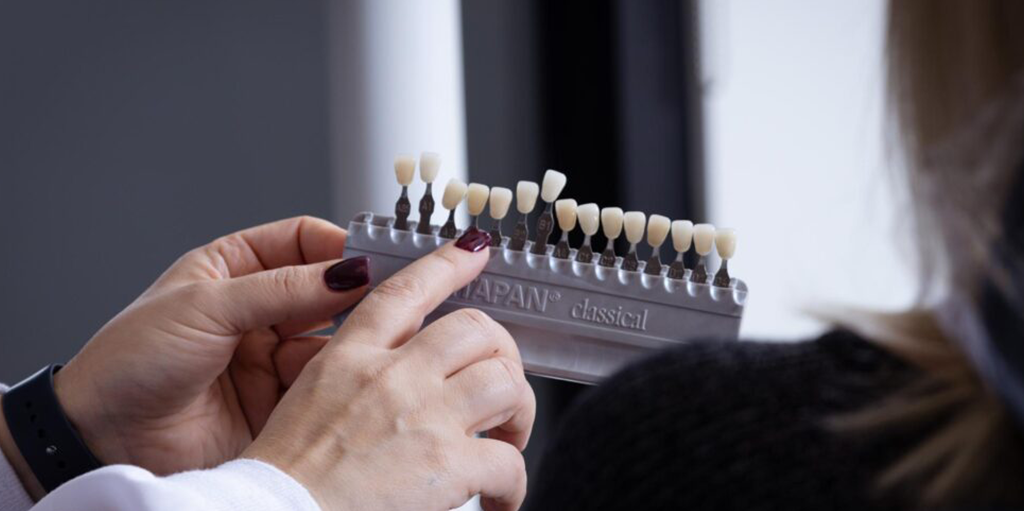
A crown that looks slightly bulky, a touch too long, or subtly out of harmony with the neighboring teeth can often be improved with careful cosmetic contouring. Small refinements to the incisal edge or the line angles can make a front crown blend more naturally into your smile. This kind of subtractive artistry is where cosmetic dentistry and biological dentistry meet, because the goal is a natural result achieved with the least intervention possible. It is important to be realistic here, though: contouring can refine what already exists, but it cannot add length, change the underlying shade, or reshape a crown that was simply made in the wrong proportions.
Small Chips and Surface Irregularities
A minor chip on a porcelain crown can sometimes be smoothed and re-polished so the edge is no longer sharp against your tongue or lip, and so the surface no longer abrades the opposing tooth. Whether this is enough depends entirely on the size and location of the chip. A tiny surface irregularity may polish out beautifully. A larger fracture that reaches the biting surface or exposes an underlying framework generally signals that repair or replacement is the more predictable long term choice.
The common thread across all of these scenarios is that the correction is small and subtractive. When that is the case, the question of whether a porcelain crown can be reshaped almost always has a favorable answer.
When Reshaping Is Not Enough (and Replacement Makes Sense)
A biological, minimally invasive philosophy does not mean adjusting a crown that has genuinely failed. Sometimes the most tooth protective decision is to replace a restoration rather than repeatedly refine one that is no longer doing its job. Reshaping is usually not the answer when any of the following are present:
- A significant fracture or crack that compromises the structural integrity of the crown
- A poor internal fit where the crown does not seat properly on the tooth, since reshaping the outside cannot correct what is happening underneath
- Recurrent decay at the margin, where new decay has developed at the edge of the crown and the tooth beneath needs attention
- A crown that is too short, too narrow, or the wrong shade, because these require adding material or changing color, neither of which reshaping can accomplish
- A loose or debonded crown, which points to an issue with the cement seal or the tooth rather than the crown’s shape
- Ongoing bite problems that persist even after reasonable occlusal adjustment, suggesting the restoration was not designed correctly for your bite
In these situations, the honest recommendation is to explore repair or replacement rather than chase a fix that adjustment cannot deliver. A trustworthy dental team will tell you plainly when reshaping has reached its limits, because protecting the tooth and your long term health matters more than avoiding a redo. The National Institute of Dental and Craniofacial Research offers science based background on dental restorations and oral health at NIDCR.nih.gov for patients who want to read further from an independent source.
The Biological Dentist’s Approach to Crown Adjustment
Why does a biological or holistic dental practice so often reach for adjustment before replacement? The answer comes down to a consistent philosophy that guides every decision.
A Minimally Invasive Philosophy
Minimally invasive dentistry, sometimes called minimal intervention dentistry, is built on a simple principle: preserve as much healthy natural structure as possible and intervene only as much as the situation truly requires. Reshaping a well made crown fits this philosophy perfectly. Instead of removing a functional restoration and re-preparing the tooth, a small refinement solves the problem while leaving the underlying tooth undisturbed. This same conservative, tooth preserving mindset guides how our team designs restorations from the start, including our metal free zirconia crowns. Every time a crown is replaced, the tooth beneath is handled again, and repeated intervention over a lifetime can add up. Conservative adjustment respects the tooth’s finite structure.
Biocompatible Materials and Whole-Body Health
Holistic and biological dentistry views oral health as connected to overall wellness. Aria Dental Care’s approach emphasizes biocompatible, metal conscious materials and a mercury free, amalgam free environment. When an existing ceramic crown is healthy and only needs contouring, preserving it means no new materials are introduced unnecessarily and the mouth’s established balance is respected. If replacement genuinely is needed, our team focuses on selecting materials chosen with the patient’s individual health profile in mind, in keeping with our practice philosophy of whole body dental care.
Preserving Natural Tooth Structure
The tooth under a crown is the real asset worth protecting. Enamel and dentin do not regenerate, and each restoration cycle asks a little more of what remains. By favoring adjustment before replacement, a biological dentist helps keep the tooth strong for the long run. This is not about avoiding necessary treatment. It is about sequencing care so that the least invasive effective option always comes first, and more involved treatment is reserved for when it is truly warranted.
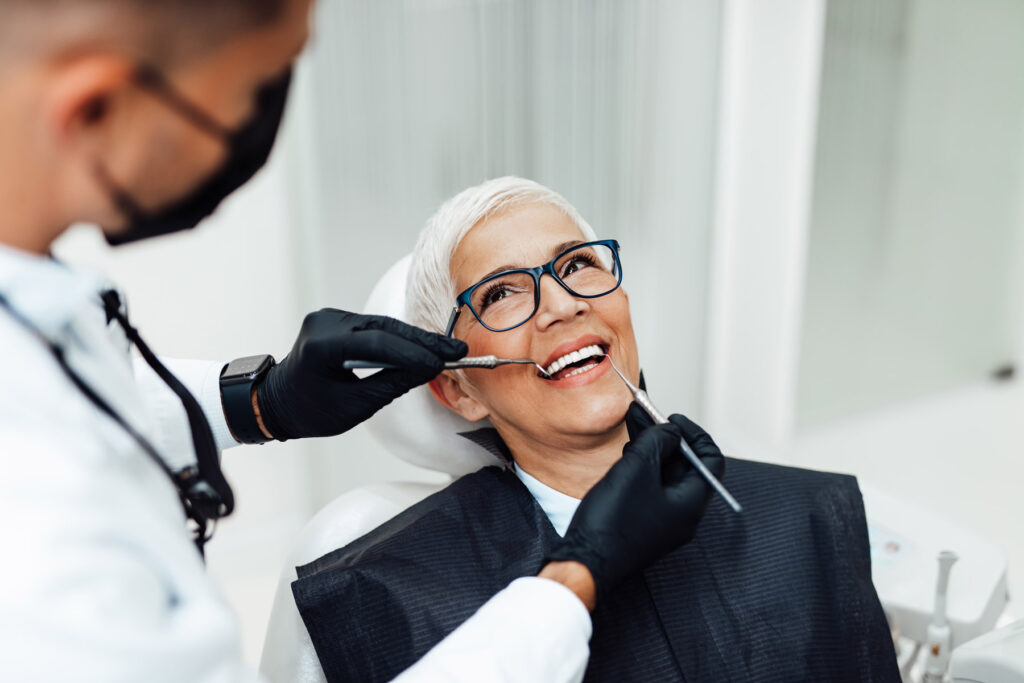
What Happens During a Porcelain Crown Adjustment Appointment
Understanding the process tends to ease any nervousness. A typical porcelain crown adjustment visit is usually short and comfortable, and here is what it generally involves.
- Evaluation and diagnosis. The dentist listens to your specific complaint, whether it is a high bite, a rough edge, sensitivity, or a cosmetic concern, and examines the crown and surrounding tissues. This step confirms whether reshaping is appropriate or whether a deeper issue is at play.
- Marking the bite. Thin articulating paper is placed between your teeth and you bite down and move your jaw side to side. The colored marks reveal exactly where the crown is making premature or heavy contact.
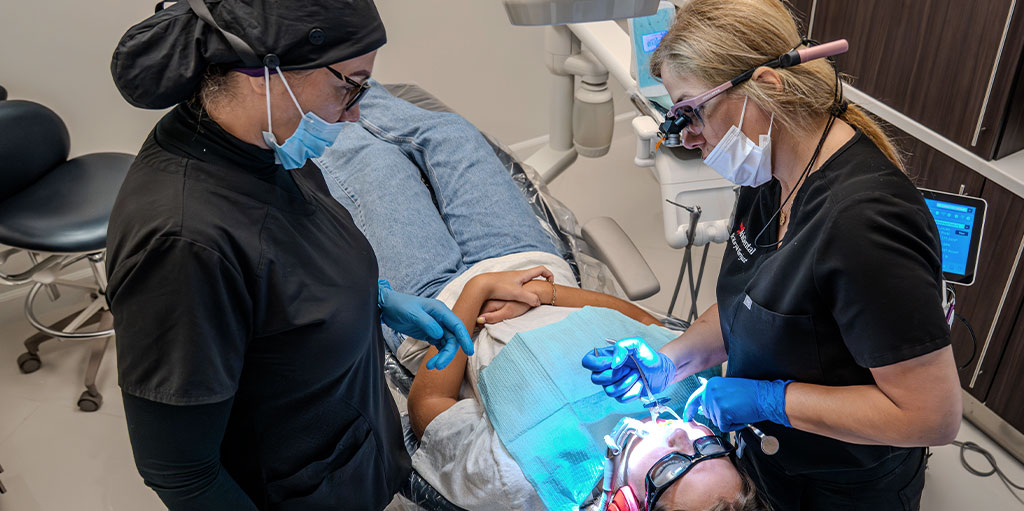
- Careful reshaping. Using fine diamond instruments, the dentist removes a very small amount of porcelain from the marked areas. The touch is deliberate and incremental, because it is far easier to remove a little more than to replace what has been taken away.
- Re-checking and refining. The bite is marked and tested again, often several times, until contact is even and comfortable. Cosmetic contouring follows the same patient, iterative rhythm.
- Polishing and re-glazing. This step is essential and is discussed in more detail below. The adjusted surface is polished back to a smooth, glass like finish so it is gentle on the opposing teeth and resistant to plaque.
- Final confirmation. You bite, chew, and give feedback. A well adjusted crown should feel like a natural part of your bite, not something you are constantly aware of.
Most reshaping appointments do not require anesthesia, because the crown itself has no nerves. If the tooth is sensitive or the work is more involved, comfort options are always available. Many minor adjustments take only a few minutes, though the exact time depends on the complexity of the correction.
Why Re-Polishing After Reshaping Is So Important
One detail separates a quick, careless grind from a proper porcelain crown adjustment: what happens after the reshaping is done. When porcelain is adjusted, the smooth glazed surface is disrupted, leaving the ceramic slightly roughened. If that surface is left unpolished, two problems can follow.
First, rough porcelain is abrasive. An unpolished ceramic surface can wear down the enamel of the opposing natural tooth over time, quietly causing damage where none existed before. Second, a rough surface accumulates plaque and stain more readily, which is neither healthy nor attractive.
For this reason, thorough re-polishing, sometimes described as re-glazing the surface, is a non negotiable part of reshaping a porcelain crown. Using a graduated series of polishing points and pastes, the dentist restores a lustrous, smooth finish that protects the opposing teeth and keeps the restoration looking natural. When patients ask whether reshaping will harm their crown or their other teeth, this polishing step is a large part of the reassuring answer, provided the work is done properly.
Adjustment vs. Replacement: Weighing Your Options
Deciding between adjusting and replacing a porcelain crown comes down to a handful of practical factors. A thoughtful dentist weighs these together rather than defaulting to either extreme.
Reshaping tends to be the right choice when:
- The correction is small and subtractive, such as a high spot, a rough edge, or minor contouring
- The crown fits well internally and is firmly bonded
- There is no decay at the margins and no structural crack
- The color and overall proportions are already acceptable
- The goal is comfort, bite refinement, or a subtle cosmetic touch up
Replacement tends to be the better path when:
- The crown is fractured, loose, or poorly fitted
- New decay has formed beneath or at the edge of the crown
- The shade, length, or shape is genuinely wrong and cannot be refined
- Adjustments have not resolved a persistent bite problem
- The restoration has simply reached the end of its useful life
Crowns are durable but not permanent. The ADA notes that with good care, crowns commonly last many years, and additional patient guidance on living with a crown is available through the Journal of the American Dental Association’s patient resource at jada.ada.org. Regular checkups let your dental team catch small issues while they are still solvable with simple adjustment rather than full replacement. If you are also weighing a crown against a more conservative cosmetic option, our comparison of porcelain crowns versus porcelain veneers breaks down when each makes sense.
The most important thing is to work with a team that will genuinely consider adjustment first. A conservative starting point protects your tooth, your time, and your budget, and it reflects the values that a biological practice is built on.
How Aria Dental Care Approaches Crown Reshaping in Orange County
Patients across Mission Viejo, Laguna Niguel, Rancho Santa Margarita, San Clemente, and the wider Orange County area come to Aria Dental Care because our team pairs advanced technology with a genuinely conservative, whole body philosophy. Under the care of Dr. Maryam Horiyat, a certified biological and holistic dentist, the practice evaluates each crown concern individually and asks a simple question first: what is the least invasive way to solve this well?
For a crown that only needs refinement, that often means a precise, comfortable adjustment and a careful polish, so you leave with a bite that feels right and a tooth that stays protected. When a crown has truly failed, our team is equally candid about that, and focuses on biocompatible, health conscious porcelain and zirconia crown solutions tailored to you. Either way, the priority is the same: your natural tooth, your comfort, and your long term wellness come first.
If a crown feels high, rough, or simply not quite right, there is no need to guess whether it can be fixed. A short evaluation can tell you clearly whether reshaping a porcelain crown will do the job or whether another option deserves discussion.
- Address: 27652 Crown Valley Pkwy, Mission Viejo, CA 92691
- Phone: (949) 364-9600
- Book online: ariadentalcare.com/book-now
- Contact us: ariadentalcare.com/contact