



If you have spent any time researching non-surgical options for sleep apnea, snoring, a narrow palate, or jaw development, you have probably run into the DNA Appliance. It is often described in glowing terms: a device that gently reshapes your jaw, opens your airway, and corrects problems at the root without braces, surgery, or a CPAP machine.
Those are big promises. So the honest question every patient deserves an answer to is simple: does the DNA Appliance really work, and what does the actual research show?
At Aria Dental Care, we believe patients make their best decisions when they have clear, balanced information rather than marketing hype. In this guide, we will walk through what the DNA Appliance is, how it is meant to work, what the clinical evidence and FDA record actually say, and where the science is still catching up to the claims. Our goal is to help you decide, with the guidance of a qualified airway-focused dentist, whether DNA oral appliance therapy is a reasonable fit for your situation.
What Is the DNA Appliance?
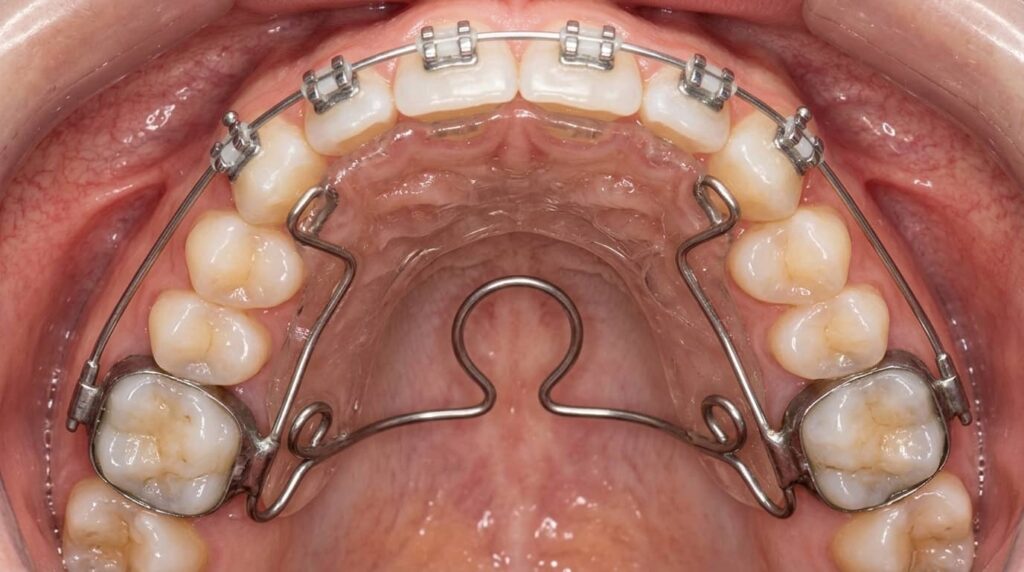
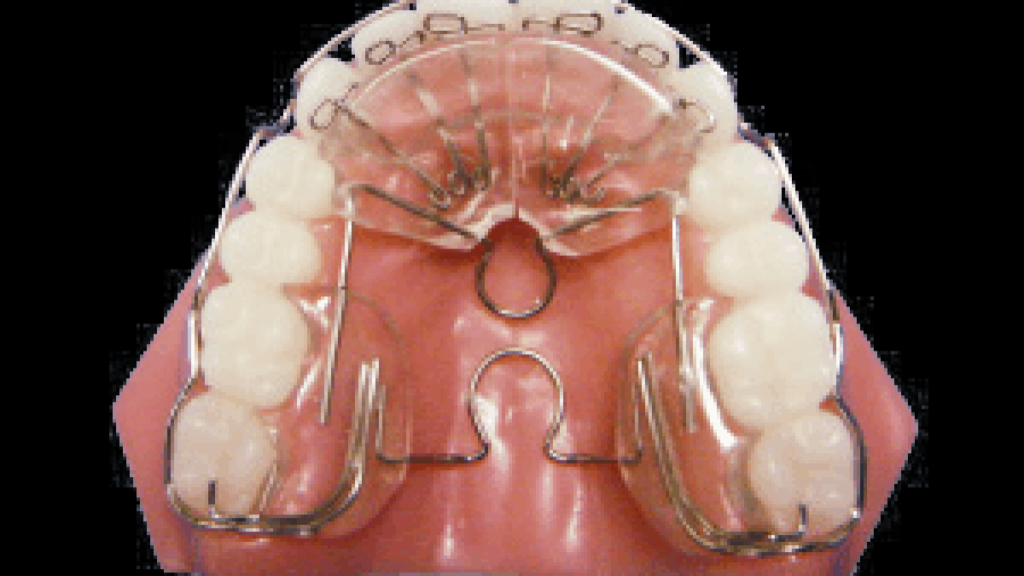
The DNA Appliance is a removable oral device, and the name is an abbreviation for Daytime-Nighttime Appliance. It was developed by Dr. G. Dave Singh and is marketed today by Vivos Therapeutics as part of its CARE (Complete Airway Repositioning and/or Expansion) family of appliances, alongside related devices known as the mRNA and mmRNA appliances.
Unlike a mouthguard that simply holds your lower jaw forward while you sleep, the DNA oral appliance is worn on the upper teeth and is designed to gradually widen the dental arch and palate over a period of months. Providers who use it position it as part of a broader philosophy sometimes called epigenetic orthodontics or airway-centered dentistry, which focuses on the shape and function of the mouth and airway rather than on straightening teeth alone.
In some published studies, researchers describe the DNA Appliance as a biomimetic oral appliance therapy, meaning it is intended to encourage the body’s own tissues to adapt gradually rather than forcing rapid change. That framing matters, because it is central to both the appeal of the device and the debate around it.
How the DNA Appliance Is Meant to Work
Supporters describe the mechanism of the DNA Appliance in a few steps:
- Gentle, intermittent force. The appliance applies light pressure to the upper arch, and it is typically worn during the evening and overnight rather than around the clock.
- Slow palatal and arch expansion. Over months, the goal is to widen the maxilla (upper jaw) and create more room for the teeth and tongue.
- Airway and tongue space. By expanding the arch, the intended result is more room for the tongue to rest in the roof of the mouth instead of falling back and crowding the airway during sleep.
- Encouraging nasal breathing. Providers often pair the appliance with myofunctional therapy, which is a set of exercises meant to retrain tongue posture and promote nasal rather than mouth breathing.
The more controversial part of the story is the claim that this slow expansion works through epigenetic orthopedics, in other words that the appliance signals the body to remodel and grow new bone in the adult jaw. This is where the marketing language and the peer-reviewed evidence begin to diverge, and we will return to it in detail below.
DNA Appliance vs. Traditional Braces and Retainers
It helps to understand where the DNA oral appliance sits compared to more familiar tools:
- Traditional braces and clear aligners move teeth through the bone but do not fundamentally change the size of the jaw.
- Rapid palatal expanders used in children and teens widen the palate quickly by opening a growth suture that is still fusing.
- Mandibular advancement devices hold the lower jaw forward during sleep to keep the airway open, which addresses the symptom of airway collapse.
- The DNA Appliance aims to widen the upper arch slowly and, according to its developers, reshape the underlying structure over a longer timeline.
That distinction is important. Slow arch expansion in adults is a real and documented phenomenon. The question the research is still working through is how much of the change reflects genuine skeletal remodeling versus tooth movement and dental tipping.
What the Research Actually Shows About the DNA Appliance
Now to the heart of the matter. When people ask whether the DNA Appliance really works, they are usually asking two separate questions. First, does it help with sleep apnea and airway problems? Second, does it truly grow bone through epigenetics the way some providers claim? The evidence points in different directions on these two questions, so it is worth separating them.
FDA Clearance: What It Does and Does Not Mean
One of the strongest talking points you will hear is that the DNA Appliance is FDA cleared. This is accurate, and it is a meaningful development, but it is often misunderstood.
Here is the timeline. The DNA device was originally registered with the U.S. Food and Drug Administration as a low-risk palatal expander. In 2021, the FDA rejected an application to market it as a sleep apnea treatment. After a second submission, the agency granted 510(k) clearance in early 2023 for treating mild-to-moderate obstructive sleep apnea in adults, and in late 2023 it expanded that clearance to include moderate and severe obstructive sleep apnea. Vivos has noted that this made it the first oral appliance line cleared to treat severe OSA in adults, used on its own or alongside positive airway pressure and myofunctional therapy as needed.
That is genuinely significant. But it is important to understand what a 510(k) clearance is. A 510(k) clearance means the FDA agreed the device is substantially equivalent to a product already on the market. It is a clearance pathway, not the more rigorous premarket approval that requires large-scale proof of a specific mechanism. In fact, the DNA device reached the market in part by citing an existing oral sleep apnea appliance as its predicate.
For a patient, the practical takeaway is this: FDA clearance tells you the appliance is considered safe and appropriate for treating obstructive sleep apnea as an oral appliance. It does not, by itself, validate the more dramatic claims about epigenetic bone growth. Those are two different things, and conflating them is one of the most common sources of confusion.
You can read the FDA’s own explanation of what 510(k) clearance means on the U.S. Food and Drug Administration website.
The Evidence on Sleep Apnea and Airway Health
On the sleep apnea question, the DNA Appliance has a reasonable case, though not an overwhelming one.
Oral appliance therapy in general is a well-established, evidence-supported treatment for obstructive sleep apnea, particularly for people with mild-to-moderate disease or those who cannot tolerate CPAP. The American Academy of Sleep Medicine recognizes oral appliances as a legitimate treatment option, and you can review their patient guidance on sleep apnea through the American Academy of Sleep Medicine.
For the DNA oral appliance specifically, the data submitted to the FDA reportedly showed resolution of obstructive sleep apnea in roughly 28 percent of studied patients in the mild-to-moderate group, with better results in more severe cases in a later cohort where a large share of patients saw measurable improvement in their apnea-hypopnea index (AHI), the standard score used to grade sleep apnea severity. Those numbers suggest a real effect for a meaningful subset of patients, which is why the clearance was granted.
At the same time, honest reporting requires noting the limitations of the current research base:
- Study design. Several supporting studies use pre-and-post designs without a randomized control group, which makes it harder to separate the appliance’s effect from other factors.
- Conflicts of interest. A number of the studies were funded by the device manufacturer, and some authors have financial ties to the company. That does not automatically invalidate the findings, but it does call for careful interpretation.
- Independent replication. Large, independent, randomized trials from researchers with no financial stake are still limited, which is exactly what the field needs to move from promising to proven.
So on sleep and airway health, a fair summary is that the DNA Appliance can help some patients, it has earned regulatory clearance for that use, and the highest tier of independent evidence is still developing.
The Debate Over Epigenetic Bone Growth in Adults
This is where skepticism is most warranted. The central marketing claim behind epigenetic orthodontics is that the DNA Appliance signals adult stem cells in the periodontal ligament to trigger new bone growth, effectively reshaping the adult jaw through epigenetic mechanisms.
The problem is that this specific mechanism is not well supported by strong, independent, peer-reviewed evidence. Reviewers who have examined the foundational writings behind epigenetic orthodontics have found them long on hypothesis and short on rigorous proof. Independent orthodontists have also raised pointed questions about the quality of the studies used to support these claims.
What the broader literature does support is more modest. Slow maxillary expansion can produce a few millimeters of arch change in adults, and at least one cephalometric study in adults found that the change did not appear to come only from teeth tipping. That is a real, measurable result. But there is a large gap between demonstrating modest slow expansion and proving that an appliance is triggering meaningful new skeletal bone growth through epigenetic signaling.
The most balanced position, and the one we take at Aria Dental Care, is this: the DNA Appliance appears able to widen the dental arch and improve airway function for many patients, and that alone can be valuable. The claim that it grows new bone in adults through epigenetics remains unproven and should be treated with healthy caution until stronger independent research confirms it.
Conditions the DNA Appliance Is Used to Address
Providers who offer the DNA oral appliance commonly use it, or discuss it, for a range of concerns:
- Obstructive sleep apnea and snoring, particularly mild-to-moderate cases or patients seeking a CPAP alternative
- Sleep-disordered breathing and daytime fatigue linked to poor airway function
- Narrow palate or dental crowding, where more arch width may reduce crowding
- TMJ discomfort and jaw tension, though evidence here is more limited and individualized
- Mouth breathing and poor tongue posture, usually in combination with myofunctional therapy
It is worth stressing that not every use has the same level of evidence behind it. The sleep apnea application has FDA clearance and clinical data. Some of the other uses rest more on clinical experience and theory than on robust trials. A responsible provider will be clear with you about which is which.
Read more: How to Cure TMJ Permanently
Who Might Be a Good Candidate for the DNA Appliance?
DNA oral appliance therapy is not right for everyone, and a proper evaluation matters. In general, you may be a reasonable candidate if:
- You have been formally diagnosed with obstructive sleep apnea, ideally through a sleep study, rather than self-diagnosing based on snoring alone
- You have mild-to-moderate sleep apnea, or you have more severe apnea and want to explore options alongside other therapies
- You struggle to tolerate CPAP and are looking for an alternative or complementary approach
- You have a narrow arch, dental crowding, or airway concerns identified by an airway-focused dentist
- You are willing to commit to a treatment timeline that often runs many months and may include myofunctional therapy
You are less likely to be a good fit if you are expecting a quick fix, if your sleep apnea is severe and life-threatening and needs immediate management, or if you are drawn to the treatment primarily by the promise of dramatic facial or bone changes that the research does not yet support.
For an overview of obstructive sleep apnea, its risks, and treatment options, the National Heart, Lung, and Blood Institute offers a reliable, non-commercial resource.
Benefits and Limitations of DNA Appliance Therapy
An honest evaluation means looking at both sides. Here is a balanced view of DNA oral appliance therapy.
Potential Benefits
- Non-surgical and removable. The appliance is worn part of the day and overnight, and it does not involve permanent hardware or surgery.
- FDA cleared for sleep apnea. It is a legitimate, regulated option for treating obstructive sleep apnea in adults.
- A possible CPAP alternative. For patients who cannot tolerate CPAP, oral appliance therapy can improve compliance and quality of life.
- Addresses arch width. For patients with a narrow palate or crowding, slow expansion may create more room for the tongue and teeth.
- Fits a whole-body philosophy. For patients who value a holistic, airway-centered approach, it aligns with treating structure and function rather than symptoms alone.
Realistic Limitations and Considerations
- Results vary. Only a subset of patients achieve full resolution of sleep apnea, and outcomes depend heavily on individual anatomy and consistency of wear.
- Longer timeline. Treatment often takes many months, which requires patience and follow-through.
- Cost. DNA oral appliance therapy is frequently a significant out-of-pocket investment and may not be fully covered by insurance.
- Overstated claims. Some of the marketing around epigenetic bone growth outpaces the current evidence, so patients should weigh promises carefully.
- Provider dependence. Outcomes rely on proper diagnosis, appliance design, and adjustment, so the experience of your provider matters a great deal.
What to Expect During DNA Appliance Treatment
If you and your dentist decide to move forward, the process usually follows a predictable path. First comes a thorough evaluation, which may include a sleep study, airway imaging, and a review of your dental and medical history. This step is essential, because treating an airway problem without a clear diagnosis is risky.
Next, the appliance is custom-designed and fitted. You will be shown how and when to wear it, and you will typically return for regular adjustments as your arch responds. Many providers combine the appliance with myofunctional therapy exercises to reinforce healthy tongue posture and breathing patterns.
Throughout treatment, progress is monitored. That may mean repeat imaging, follow-up sleep testing, and ongoing conversations about how you feel, whether your snoring or daytime fatigue is improving, and whether the plan needs to be adjusted. A good provider will track objective measures, not just subjective impressions.
How to Decide If the DNA Appliance Is Right for You
Deciding whether the DNA Appliance really works for you, specifically, comes down to a few practical steps:
- Start with a diagnosis. If sleep apnea is the concern, get a proper sleep evaluation before committing to any device.
- Ask about the evidence. A trustworthy provider will separate what is well supported, such as oral appliance therapy for OSA, from what is still theoretical, such as adult epigenetic bone growth.
- Clarify goals and expectations. Be honest about what you want to achieve and ask what results are realistic in your case.
- Understand the commitment. Confirm the expected timeline, cost, and follow-up before you begin.
- Get a second opinion if needed. For a significant, long-term treatment, another qualified perspective is always reasonable.
The goal is not to talk you into or out of the DNA oral appliance. It is to make sure your decision rests on solid information and a real understanding of your own airway and dental health.
The Aria Dental Care Approach to Airway-Focused Dentistry
At Aria Dental Care, our philosophy is that good dentistry treats the whole person, and that includes how you breathe and sleep. We believe patients are best served by clear evidence rather than pressure, and by clinicians who are willing to say when the science is settled and when it is still developing.
If you are dealing with snoring, suspected sleep apnea, a narrow palate, jaw tension, or airway concerns, we welcome the chance to evaluate your situation and talk through your options honestly, including whether an approach like DNA oral appliance therapy makes sense for you. Where a treatment has strong support, we will tell you. Where the evidence is thin, we will tell you that too.
To schedule an evaluation or ask a question about airway-focused, holistic dental care, visit ariadentalcare.com/contact/.