





If you have been living with jaw pain, chronic headaches, clicking or popping sounds when you chew, or the relentless ache of a bite that never feels quite right, you are not alone, and you are not without options. Temporomandibular joint disorder, widely known as TMJ or TMD, affects an estimated 10 million Americans, according to the National Institute of Dental and Craniofacial Research (NIDCR). For many sufferers, it is a condition that has been minimized, misdiagnosed, or treated only symptomatically for years, leaving the underlying cause entirely unaddressed.
The question “how to cure TMJ permanently” is one of the most searched queries in dental health, and for good reason. People are tired of temporary fixes, over-the-counter pain medications, and generic night guards that dull the symptoms without resolving the problem. At Aria Dental Care, Orange County’s #1 Holistic, Biologic & Cosmetic Dental Office, we believe that permanent TMJ relief is achievable for the vast majority of patients, but only when the condition is understood comprehensively, diagnosed precisely, and treated through a whole-body, root-cause approach.
This guide, written from the perspective of Dr. Maryam Horiyat, DDS, AIAOMT, CIABDM, and the Aria Dental Care team, gives you everything you need to understand TMJ disorder, identify its real causes, and explore the full spectrum of evidence-based, holistic treatment options that can lead to lasting, meaningful relief. Whether you are newly diagnosed or have been managing this condition for years, this is the guide that can change how you think about your jaw, and your health.
What Is TMJ Disorder? Understanding the Joint, the Disorder, and the Difference
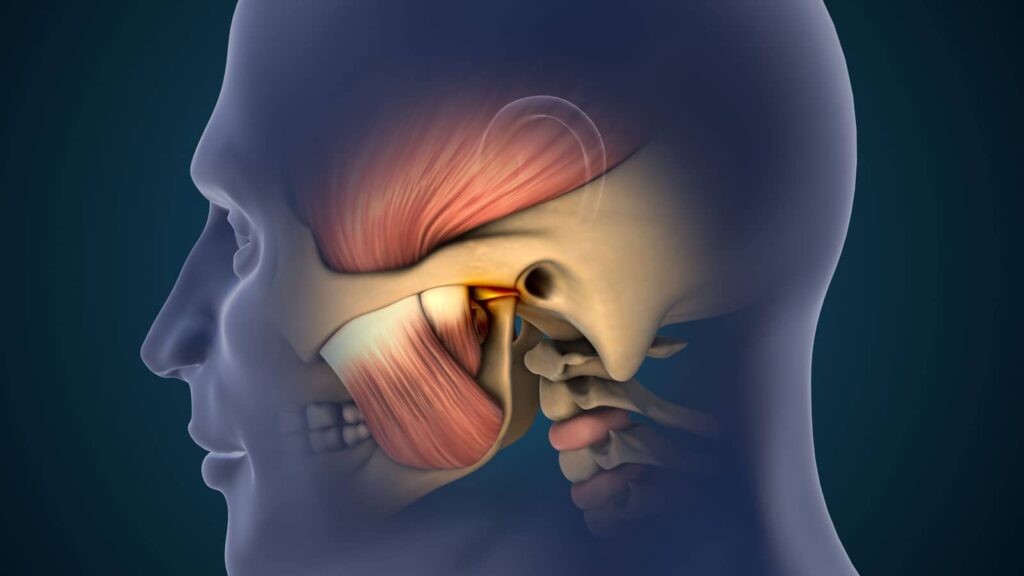
Before we explore how to cure TMJ permanently, it is important to understand exactly what TMJ disorder is, because confusion about the terminology is extremely common. Technically, “TMJ” refers to the temporomandibular joint itself: the bilateral hinge-and-glide joint that connects your lower jaw (mandible) to your skull (temporal bone), located just in front of each ear. Everyone has a TMJ. The problem arises when this joint, or the muscles, ligaments, and disc that support it, becomes dysfunctional.
The correct clinical term for the condition is temporomandibular disorder (TMD), though most patients and many clinicians use “TMJ” colloquially to refer to the disorder. TMD is not a single condition but rather an umbrella term encompassing a range of disorders affecting the jaw joint, the surrounding muscles of mastication, and the associated structures of the head, neck, and bite.
According to the National Institutes of Health (NIH), TMD is second only to low back pain as the most common musculoskeletal condition causing pain and disability in the United States. Despite its prevalence, it remains chronically underdiagnosed and undertreated, in part because its symptoms are diverse, overlapping with those of many other conditions, and in part because it requires expertise across multiple disciplines to manage effectively.
The Three Main Categories of TMD
• Myofascial TMD: The most common type, involving pain and dysfunction in the muscles of mastication (the muscles used for chewing, biting, and jaw movement). It often presents as jaw tightness, facial pain, headaches, and limited range of motion.
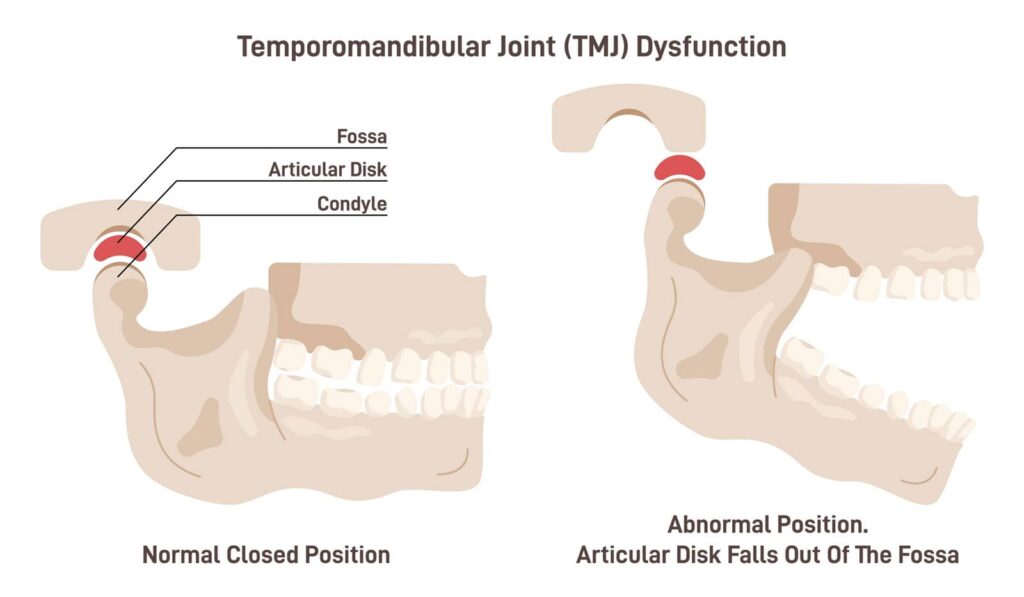
• Internal derangement of the joint: Involves displacement of the articular disc, the cushioning fibrocartilage pad between the condyle of the mandible and the temporal bone, causing clicking, popping, locking, and reduced range of motion.
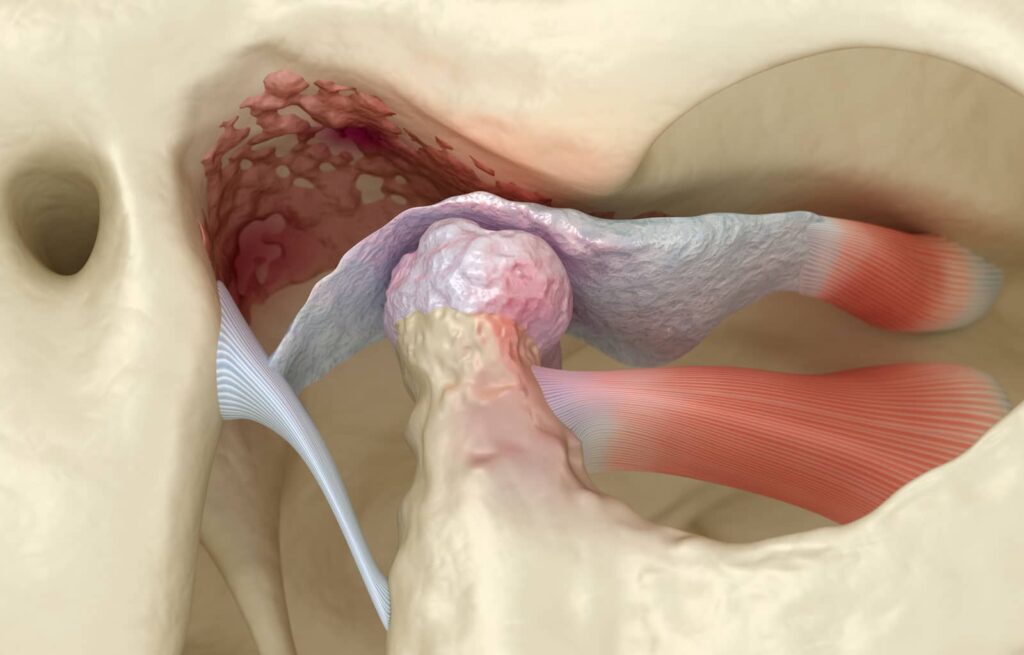
• Degenerative joint disease: Involves arthritic changes within the TMJ itself, including osteoarthritis, which can cause bone-on-bone friction, progressive structural changes, and chronic pain.
Many patients present with a combination of all three categories, which is one reason TMD can be so challenging to treat, and why a comprehensive, individualized approach is essential.
Recognizing TMJ Disorder Symptoms: More Than Just Jaw Pain
One of the most important reasons TMD goes undiagnosed for so long is that its symptom profile extends far beyond the jaw. Many patients visit multiple specialists, neurologists for headaches, ENTs for ear pain, orthopedists for neck pain, before the TMJ connection is identified. Understanding the full range of TMJ disorder symptoms empowers patients to seek the right professional from the outset.
Primary TMJ Symptoms
• Jaw pain or soreness, particularly upon waking or after eating
• Clicking, popping, or grating sounds when opening or closing the mouth
• Jaw locking, either in the open or closed position
• Limited range of motion when opening the mouth
• A bite that feels “off” or uncomfortable, or that has changed over time
• Pain or tenderness in the jaw muscles (masseter, temporalis, pterygoids)
Secondary and Referred TMJ Symptoms
• Chronic headaches or migraines, particularly at the temples
• Ear pain, fullness, or tinnitus (ringing in the ears) without an identifiable ear condition
• Neck and shoulder pain or stiffness
• Facial pain, including pain in the cheeks, sinuses, or around the eyes
• Tooth sensitivity or pain without an identifiable dental cause
• Worn, cracked, or chipped teeth from bruxism (teeth grinding or clenching)
• Dizziness or vertigo in some cases
• Difficulty chewing hard or chewy foods
If you recognize several of these symptoms in yourself, a comprehensive TMD evaluation at Aria Dental Care is the essential first step toward understanding what is causing them and how to address them effectively.
What Causes TMJ Disorder? The Root Causes Behind the Pain
Understanding the causes of TMJ disorder is foundational to understanding how to cure TMJ permanently, because any treatment that does not address the underlying cause is, by definition, only temporary. TMD is rarely caused by a single factor; it is almost always multifactorial, with biological, biomechanical, behavioral, and systemic contributors interacting in complex ways.
Malocclusion: When Your Bite Is the Root Problem
Malocclusion, a misaligned bite, is one of the most significant structural contributors to TMD. When the upper and lower teeth do not come together in a balanced, harmonious relationship, the jaw must compensate with every chew, bite, and swallow (which occurs hundreds of times per day). Over time, this chronic compensatory strain loads the TMJ unevenly, fatiguing the muscles, stressing the disc, and eventually producing pain and dysfunction.
Malocclusion can result from genetics, developmental factors, missing teeth that have allowed neighboring teeth to drift, poorly designed dental restorations, or previous orthodontic treatment that optimized tooth alignment without considering the three-dimensional position of the jaw joint. At Aria Dental Care, evaluating and correcting bite relationship is a cornerstone of our neuromuscular approach to TMD.
Bruxism: The Silent Destroyer of the Jaw Joint
Bruxism, the habitual clenching and grinding of teeth, is both a cause and a consequence of TMD. Most bruxism occurs during sleep, making patients unaware of it until significant damage has already occurred: flattened or worn tooth surfaces, cracked teeth, jaw muscle fatigue, and progressive strain on the TMJ. Stress is a major driver of bruxism, as is sleep-disordered breathing (including sleep apnea), caffeine, and certain medications.
Treating bruxism in isolation with a generic night guard often reduces symptoms without resolving the underlying cause. True, lasting TMJ relief requires identifying why bruxism is occurring, whether it is stress-driven, sleep-related, occlusal, or a combination, and addressing those root causes directly.
Trauma and Physical Injury
Direct trauma to the jaw or head, from a motor vehicle accident, sports injury, fall, or even a difficult dental extraction requiring prolonged mouth opening, can cause acute injury to the TMJ structures that, if not properly rehabilitated, leads to chronic TMD. Even relatively minor trauma can displace the articular disc or create microstructural damage in the joint capsule that predisposes to long-term dysfunction.
Postural Imbalances and Cervical Spine Dysfunction
The jaw does not exist in isolation, it is intimately connected to the neck, skull base, and entire postural chain of the body. Forward head posture, which is increasingly common due to prolonged computer and phone use, places significant mechanical strain on the suboccipital muscles, the cervical spine, and the structures that support the mandible. Tension in the sternocleidomastoid and trapezius muscles can directly refer pain to the TMJ and alter the resting position of the jaw, contributing to malocclusion and muscle dysfunction.
A holistic approach to how to cure TMJ permanently must therefore include assessment and management of the cervical spine and postural alignment, not just the jaw. At Aria Dental Care, we collaborate with physical therapists, osteopaths, and chiropractors when postural and cervical contributions to TMD are identified.
Stress and the Psychosocial Dimension of TMD
Psychological stress is both a driver and an amplifier of TMD. Stress increases muscle tension throughout the body, including in the jaw and neck. It promotes bruxism and clenching. It activates the body’s pain-sensitizing stress response systems, lowering the threshold at which pain is perceived. And it can impair sleep, which is when much of the body’s musculoskeletal repair occurs.
Research published by the National Institutes of Health has demonstrated that psychosocial factors are among the strongest predictors of TMD onset and chronicity. A truly comprehensive approach to TMD management must include strategies to address stress, not as an afterthought, but as a primary therapeutic target.
Systemic and Inflammatory Contributors
From a holistic and biological dentistry perspective, systemic inflammation is an often-overlooked contributor to TMD. Conditions such as rheumatoid arthritis, lupus, and other autoimmune disorders can directly affect the TMJ. Nutritional deficiencies, particularly in magnesium, vitamin D, and omega-3 fatty acids, can impair muscle function and increase inflammatory burden. Gut dysbiosis and systemic inflammation driven by diet can maintain a chronic low-grade inflammatory state that sensitizes joints and muscles throughout the body, including the TMJ.
How TMJ Disorder Is Diagnosed: The Aria Dental Care Comprehensive Evaluation
Accurate diagnosis is the non-negotiable foundation of any plan to cure TMJ permanently. Without understanding which structures are involved, what the contributing causes are, and how the bite and jaw position relate to the dysfunction, treatment will always be guesswork. At Aria Dental Care, our TMD evaluation is one of the most thorough available in Orange County.
Medical and Dental History Review
Our evaluation begins with a comprehensive review of your medical and dental history, including past trauma, surgical history, medications, sleep quality, stress levels, diet, and any previous TMD treatments you have received. Understanding the full picture of your health, not just your jaw, is essential to identifying all contributing factors.
Neuromuscular and Occlusal Analysis
We perform a detailed analysis of your bite relationship, both in its habitual position and in the physiologically optimal position determined by muscle function, using computerized jaw tracking, electromyography (EMG) of the masticatory muscles, and joint vibration analysis. These technologies allow us to objectively measure muscle activity, identify areas of asymmetry and dysfunction, and determine the precise jaw position in which your muscles are most relaxed and your joint is most optimally loaded.
Imaging
Cone beam computed tomography (CBCT) provides three-dimensional imaging of the TMJ, allowing us to visualize the bony anatomy of the condyle and articular eminence in detail. We also use MRI referral when soft tissue assessment of the articular disc is needed. These imaging modalities allow us to classify the structural status of the joint accurately and identify degenerative changes, disc displacement, or joint space abnormalities that guide treatment planning.
Postural and Cervical Assessment
We assess your head and neck posture, cervical range of motion, and the relationship between your jaw position and the alignment of your cervical spine. Patients with significant postural contributions to their TMD are referred to our network of collaborative physical therapy and osteopathic partners for integrated management.
How to Cure TMJ Permanently: A Comprehensive, Evidence-Based Treatment Roadmap
This is the heart of what every TMD patient wants to know, and deserves an honest, thorough answer. Can TMJ be cured permanently? For many patients, yes, particularly those whose TMD is driven by identifiable structural and behavioral causes that can be corrected. For others, particularly those with advanced degenerative joint disease or complex multifactorial presentations, the realistic goal may be long-term management that reduces pain to minimal levels and prevents progression. Dr. Horiyat’s philosophy is always to pursue the most conservative, reversible treatments first, escalating only when necessary.
Phase 1: Stabilization and Pain Relief
The first goal of TMJ treatment is to reduce pain, calm inflamed muscles, and stabilize the joint so that accurate diagnosis and longer-term treatment planning can proceed. This phase typically involves:
• Custom neuromuscular orthotics (splints): A precision-fabricated oral appliance worn over the upper or lower teeth that repositions the mandible in its physiologically optimal position, decompressing the joint and allowing the muscles to relax. Unlike generic drug-store night guards, a neuromuscular orthotic is designed based on objective electromyographic and jaw-tracking data, it is a therapeutic device, not just a protective one.
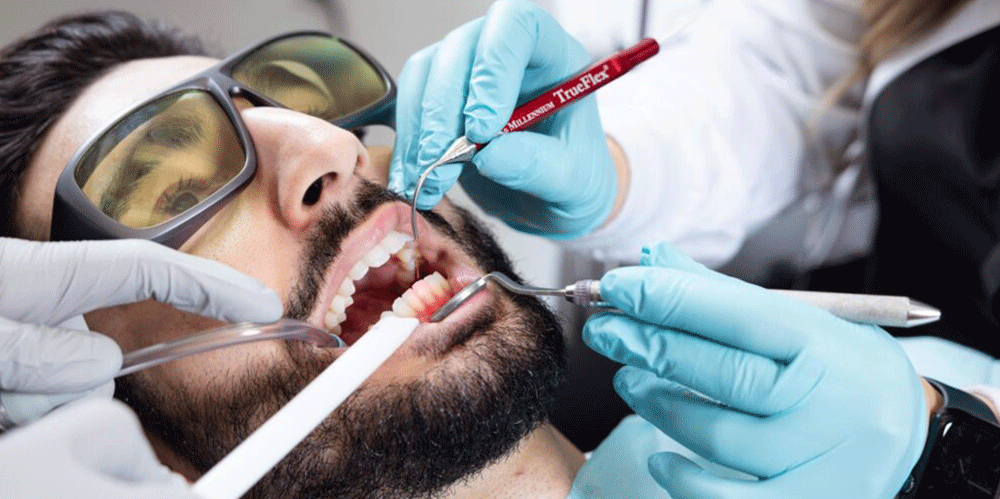
• Low-level laser therapy (LLLT): Also called photobiomodulation, LLLT uses specific wavelengths of light energy to reduce inflammation, promote cellular repair, and alleviate pain in the TMJ and surrounding musculature. It is non-invasive, pain-free, and has a strong evidence base for musculoskeletal pain management. At Aria Dental Care, laser therapy is a core component of our TMD treatment toolkit.
• TENS therapy: Transcutaneous electrical nerve stimulation (TENS) uses low-frequency electrical impulses to relax the jaw muscles to their physiological resting length, a state in which muscle tension and joint loading are minimized. TENS is used both diagnostically (to establish the true neuromuscular rest position of the jaw) and therapeutically.
• Anti-inflammatory nutritional support: Omega-3 fatty acids, magnesium glycinate, vitamin D3, and curcumin have robust evidence bases for reducing musculoskeletal inflammation. At Aria Dental Care, we discuss these as supportive adjuncts to clinical treatment, never as replacements for it.
• Physical therapy referral: For patients with significant cervical and postural contributions to TMD, early referral to a physical therapist experienced in orofacial pain and cervical spine rehabilitation is an essential component of the stabilization phase.
Phase 2: Definitive Bite Correction
Once pain has been stabilized and the optimal jaw position established, the focus shifts to permanently stabilizing that position so that the patient is no longer dependent on a removable appliance. This is the phase that most directly answers the question of how to cure TMJ permanently, because it creates structural change that lasts.
Definitive bite correction options at Aria Dental Care include:
• Occlusal equilibration: Precise reshaping of tooth surfaces to eliminate premature contacts and create a balanced, even bite in the physiologically correct jaw position. This is a conservative option for patients whose bite correction needs are relatively minor.
• Full-mouth reconstruction: For patients with significantly worn, damaged, or poorly positioned teeth, a comprehensive reconstruction using crowns, inlays, onlays, and veneers rebuilds the entire bite architecture at the correct vertical dimension and jaw position. Dr. Horiyat’s advanced training in neuromuscular dentistry and reconstructive dentistry makes Aria Dental Care one of the premier destinations for full-mouth reconstruction in Orange County.
• Orthodontic treatment: For patients whose malocclusion is the primary driver of TMD, orthodontic treatment, including Invisalign or traditional braces, can reposition the teeth and arches to create a stable, balanced bite that supports healthy TMJ function long-term.
• Dental implants for missing teeth: Missing teeth allow neighboring teeth to drift and tilt, disrupting bite balance and increasing TMJ strain. Replacing missing teeth with biocompatible dental implants restores proper occlusal architecture and removes a significant contributor to ongoing dysfunction.
Phase 3: Long-Term Support and Prevention of Recurrence
Even after successful definitive treatment, maintaining TMJ health requires ongoing attention. Phase 3 focuses on preserving the results achieved in Phases 1 and 2 and preventing recurrence:
• Maintenance night guard: Even patients who have achieved definitive bite correction may benefit from a maintenance-phase night guard to protect against residual bruxism, particularly during periods of elevated stress.
• Botox for masseter hypertrophy: In patients with severe bruxism and masseter muscle overdevelopment, targeted Botox injections into the masseter and temporalis muscles reduce the force of clenching and grinding significantly. The effects last three to six months and can be repeated as needed. At Aria Dental Care, Botox for TMJ is offered as part of our comprehensive neuromuscular treatment program.
• Ongoing stress management: Biofeedback, mindfulness practices, cognitive behavioral therapy, and regular physical exercise all have evidence bases for reducing bruxism and TMD-related muscle tension. We actively encourage and support our patients in developing sustainable stress management practices.
• Sleep apnea evaluation: Because sleep-disordered breathing is a significant driver of bruxism and TMD, patients with persistent nocturnal bruxism despite other treatments are referred for sleep study evaluation. Managing obstructive sleep apnea with an oral appliance or CPAP therapy can dramatically reduce the severity of bruxism and associated TMJ strain.
• Regular monitoring at Aria Dental Care: Biannual checkups include assessment of TMJ function, muscle tenderness, and bite stability to catch any early signs of recurrence before they become significant problems.
TMJ Treatment Options at a Glance: Which Approach Is Right for You?
The right TMJ treatment plan is never one-size-fits-all. Here is a summary of the primary treatment modalities available at Aria Dental Care and the patient profiles they best serve:
| Treatment Approach | Best Suited For |
| Custom occlusal splint / night guard | Bruxism, clenching, mild-moderate TMD |
| Neuromuscular bite reconstruction | Malocclusion, collapsed bite, chronic pain |
| Laser therapy (low-level / diode) | Joint inflammation, muscle spasm, pain relief |
| Botox / muscle relaxant injections | Severe bruxism, masseter hypertrophy |
| Physical therapy & jaw exercises | Muscle tension, limited range of motion |
| Orthodontic / bite correction | Structural malocclusion contributing to TMD |
| Nutritional & systemic support | Inflammation, nutritional deficiency, holistic care |
| Arthroscopy / open joint surgery | Severe structural joint damage (last resort) |
Every patient at Aria Dental Care receives a fully individualized treatment plan developed by Dr. Horiyat based on comprehensive diagnostic findings, never a generic protocol. The goal is always the most conservative approach that achieves the most lasting result.
The Holistic Dentistry Approach to TMJ: Why Treating the Whole Person Changes Everything
At Aria Dental Care, our approach to how to cure TMJ permanently is fundamentally different from the conventional dental model, not because we reject evidence-based treatments, but because we insist on applying them within a framework that honors the complexity of the human body.
The conventional dental response to TMJ pain is often a generic mouth guard, a referral for pain management, and a recommendation to “watch and wait.” This approach treats the symptom, pain, without addressing the structure, the bite, the posture, the sleep quality, the nutritional status, or the stress physiology that created the problem. It is the equivalent of turning down a smoke alarm rather than putting out the fire.
Our holistic approach asks different questions:
• Why is this patient grinding their teeth? Is it stress? Sleep apnea? An unbalanced bite? A combination of all three?
• Is there systemic inflammation driving joint degeneration? What dietary and lifestyle factors are contributing?
• Are there toxic dental materials, such as mercury amalgam fillings, creating a chronic inflammatory burden that impairs healing?
• Is the patient’s posture contributing to cervical strain that loads the TMJ asymmetrically?
• Is the patient sleeping well? Is stress managed? Is the nutritional foundation for musculoskeletal repair in place?
Dr. Maryam Horiyat, DDS, AIAOMT, CIABDM, is one of very few dentists in Orange County with advanced accreditation in both biological dentistry and neuromuscular TMD management. Her training through the International Academy of Oral Medicine and Toxicology (IAOMT) ensures that every material used in the management of TMD, from splint materials to restorative components, is biocompatible, non-toxic, and selected with the patient’s whole-body health in mind. Mercury-free, metal-free, and free from unnecessarily harmful compounds: this is the standard at Aria Dental Care.
TMJ Exercises, Home Remedies, and Lifestyle Strategies That Support Permanent Relief
Professional treatment is the essential foundation of lasting TMJ relief, but what you do between appointments matters enormously. Here are the evidence-supported home strategies that complement and extend the results of clinical treatment:
Jaw Exercises and Stretches for TMJ Relief
• Resisted mouth opening: Place your thumb under your chin and gently press upward while slowly opening your mouth, the resistance helps strengthen the muscles that control opening and improve range of motion
• Goldfish exercise (partial opening): Place one finger on the TMJ and one on your chin, then partially open and close your mouth while keeping the joint from deviating, trains symmetric jaw movement
• Chin tucks: Gently retract the chin straight back (creating a “double chin” position) to correct forward head posture and reduce cervical strain on the TMJ
• Tongue-to-roof exercise: Place the tongue flat against the roof of the mouth and slowly open as wide as comfortable without letting the tongue leave the palate, improves disc position and muscle coordination
These exercises are most effective when performed consistently and under the guidance of your dental or physical therapy provider, who can tailor them to your specific presentation.
Heat, Cold, and Manual Therapy
• Warm compress: Apply a warm, moist towel to the jaw and temple area for 10–15 minutes to relax muscle spasm and increase blood flow, particularly helpful upon waking when morning jaw stiffness is present
• Cold pack: Apply a cold pack (wrapped in a thin cloth) to the joint area for 10–15 minutes after activities that aggravate the joint to reduce inflammation
• Self-massage: Gentle massage of the masseter (cheek) and temporalis (temple) muscles can significantly reduce muscle tension, use circular motions with moderate pressure for 2–3 minutes on each side
Dietary Modifications for TMJ Relief
• Adopt a soft food diet during flare-ups: avoid hard, crunchy, or chewy foods (bagels, raw carrots, hard candy, tough meats) that load the joint excessively
• Cut food into small pieces rather than biting into large items like apples or sandwiches
• Avoid extreme mouth-opening activities such as yawning widely, singing loudly, or lengthy dental procedures without adequate support
• Increase anti-inflammatory foods: fatty fish, leafy greens, turmeric, ginger, berries, and olive oil all have evidence-based anti-inflammatory properties that support joint health
• Reduce or eliminate alcohol and caffeine during active flare-ups, as both can increase muscle tension and disrupt restorative sleep
Postural Awareness and Ergonomics
• Position computer screens at eye level to prevent forward head posture, the leading postural contributor to TMD in office workers
• Use a supportive pillow that maintains cervical alignment during sleep; avoid sleeping on your stomach, which rotates the cervical spine and strains the TMJ
• Be mindful of jaw habits throughout the day: resting the jaw on your hand, clenching during concentration, chewing gum, and biting nails all increase TMJ loading
When Is TMJ Surgery Necessary? Understanding the Last Resort
The vast majority of TMD patients, estimated at 85 to 90 percent, can achieve significant and lasting improvement through non-surgical management. At Aria Dental Care, our philosophy is always to exhaust conservative options before considering surgical referral. That said, there are clinical situations where surgery becomes necessary:
• Anterior disc displacement without reduction: When the articular disc is permanently displaced and the joint locks in a closed position, preventing normal jaw opening, arthroscopic lavage or disc repositioning may be required.
• Severe structural degeneration: Advanced osteoarthritis of the TMJ with significant bone loss and functional impairment that has not responded to conservative management may ultimately require joint replacement or surgical reconstruction.
• Tumors or pathological lesions: Any neoplasm affecting the TMJ requires surgical management.
When surgical consultation is indicated, Aria Dental Care works with a trusted network of oral and maxillofacial surgeons who share our patient-centered, minimally invasive philosophy. We ensure continuity of care and remain involved in our patients’ treatment throughout any surgical pathway.
Take the First Step Toward Permanent TMJ Relief at Aria Dental Care
Living with TMJ disorder does not have to be your normal. The jaw pain, the morning headaches, the clicking, the bite that never feels right, these are symptoms with causes, and causes can be treated. At Aria Dental Care, we have helped hundreds of Orange County patients achieve lasting, meaningful relief from TMD through our comprehensive, holistic, neuromuscular approach, and we are ready to do the same for you.
Dr. Maryam Horiyat, DDS, AIAOMT, CIABDM, combines advanced neuromuscular dentistry training, biological dentistry principles, cutting-edge diagnostic technology, and a genuine passion for patient well-being to create treatment plans that address your TMD at its root. Our mission is not to manage your pain indefinitely, it is to find the cause, correct it, and give you back your quality of life.
Visit us at ariadentalcare.com to schedule your comprehensive TMJ evaluation in Orange County today. You deserve a jaw that works, and a life without pain.