


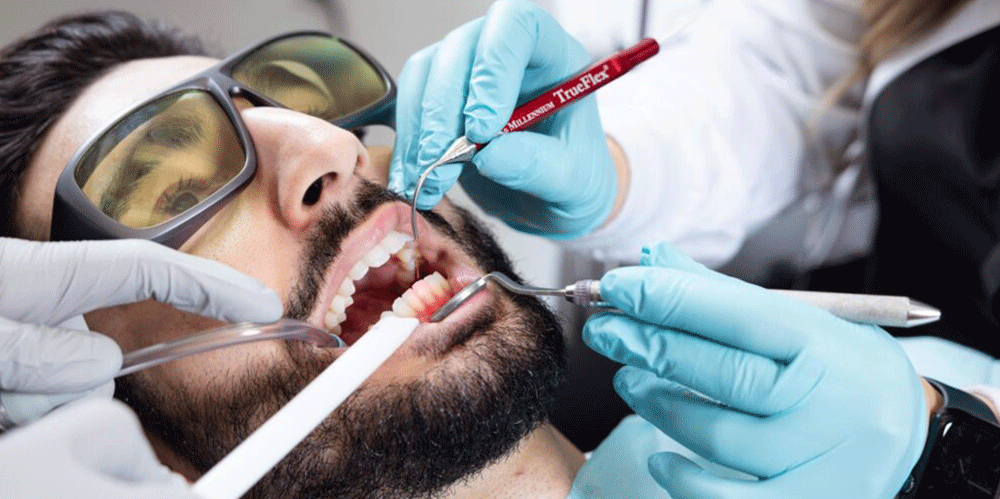








Noticing a black line on your tooth can be alarming, especially if it appears suddenly or becomes more noticeable over time. Many people assume it’s a cavity, but black lines on teeth can have several causes, ranging from harmless surface stains and tartar buildup to early tooth decay or even tiny cracks in the enamel. Because these dark lines often form near the gumline or between teeth, they can be difficult to identify correctly without professional evaluation.If you’re wondering how to remove black lines on teeth, the right solution depends on the underlying cause.
Whatever the reason, you can remove these black lines from the teeth through holistic dentistry. In this article, we explain why black lines develop, whether they indicate decay, and the safest and most effective treatment options available to restore a healthy, natural-looking smile.
What Can Cause Black Lines on Teeth?
- Tartar build-ups can cause black lines on your gums and teeth since plaques mostly develop near the gum lines. Once you do not overcome them by cleaning, your teeth plaques will harden into tartar which can only be removed with the help of your dentist. Tartar can seem black if copper or iron levels are high in your body.
Correcting the way you brush and floss your teeth can prevent further build-up.
- Tooth Discoloration
Improper diets can lead to black stains on your teeth, causing the whole tooth to turn black. Other than external factors, some underlying tooth problems can also cause this condition. Chipped and cracked enamels can also result in staining of the inner layers of the tooth.
Once you identify the reason, you can prevent further discoloration and you can undergo treatment procedures including teeth whitening, or porcelain veneers.
- Crowns
You may have black lines on teeth where you have had dental crowns, especially if the crowns were coated with metals. The metallic base of porcelain coatings will make them wear down, leading to black lines. These black lines may also be a sign of gum disease.
- Vertical lines are another type of cracked tooth which do not normally develop symptoms nor require serious treatments. When vertical lines appear on your teeth without pain or sensitivity, you do not have cracked teeth.
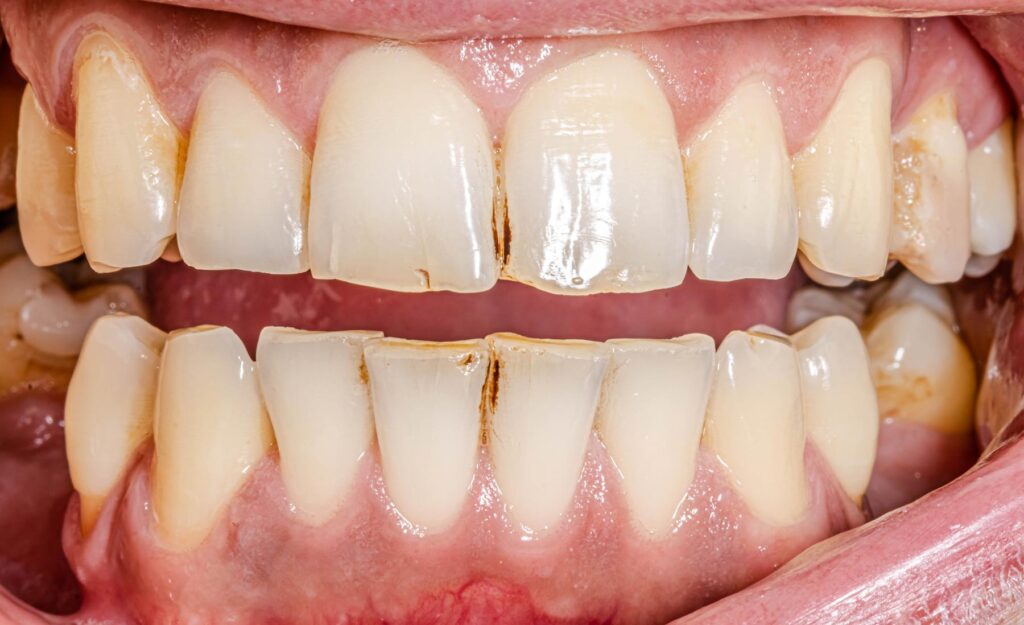
Black Lines on Teeth Near Gums
Black lines on teeth near the gums are commonly caused by plaque buildup that hardens into tartar along the gumline. When bacteria accumulate in this area, they can create dark stains that appear as thin black or brown lines where the tooth meets the gum. In some cases, these lines may also result from chromogenic bacteria, certain foods and beverages, smoking, or early gum irritation. While many gumline stains are cosmetic, persistent discoloration near the gums can sometimes indicate underlying tartar accumulation or early stages of decay. Identifying the cause early helps determine whether the issue requires simple professional cleaning or more targeted treatment.
Black Line Stain on Teeth
A black line stain on teeth is usually a form of surface discoloration that develops along the edges or near the gumline. Unlike deep tooth decay, these stains are often caused by chromogenic bacteria that react with iron in saliva, forming a dark pigmented line on the enamel. Certain foods, beverages like coffee or tea, tobacco use, and poor oral hygiene can also contribute to this type of staining. Although black line stains may look concerning, they are typically cosmetic rather than structural problems. However, a professional evaluation is important to confirm whether the discoloration is simply a stain or an early sign of enamel damage.
Are Black Lines on Teeth a Sign of Decay?
Black lines on teeth are not always a sign of decay, but in some cases, they may indicate underlying tooth damage. The cause depends on appearance, texture, and associated symptoms.
They may not be decay if:
- The line is smooth and located near the gumline
- It appeared gradually without pain or sensitivity
- It looks like surface staining from plaque, tartar, coffee, tea, or smoking
- It can be polished away during professional cleaning
They may indicate decay if:
- The area feels rough or sticky
- The dark line continues to widen or deepen
- You experience sensitivity to hot, cold, or sweets
- There is discomfort when biting
- The discoloration appears between teeth or inside a small groove
Because a black line alone doesn’t confirm a cavity, a proper dental evaluation is necessary to determine whether it is cosmetic staining or early tooth decay.
When Should You See a Dentist?
While some black lines on teeth may be harmless surface stains, certain signs indicate it’s time to schedule a dental evaluation. You should see a dentist if:
- The black line is getting darker or spreading
- You feel sensitivity to hot, cold, or sweet foods
- There is pain when chewing or biting
- The area feels rough, chipped, or uneven
- You notice swelling, bleeding, or irritation near the gums
- Food keeps getting trapped in the same spot
- The discoloration does not improve with brushing or flossing
Early evaluation helps determine whether the issue is simple staining, tartar buildup, or developing decay, and allows for more conservative treatment before the problem worsens.
How to Treat Black Lines on Teeth?
- Treating gum recession should be done immediately to prevent further oral issues, such as black lines.
- Beating tooth decay will also be another solution to prevent the development of black teeth.
- Replacement crowns that are not made of metals are suitable alternatives since they will not result in these black lines.
- Dental implants are just like your natural teeth and will not cause black lines.
How to Remove Black Lines on Teeth?
Black lines on teeth can often be removed with professional cleaning if they are caused by surface stains. However, if the dark line is due to decay, tartar buildup, or a crack in the tooth, treatment may require fillings or other restorative procedures. The right approach depends on the underlying cause.
Treatment options may include:
- Professional dental cleaning to remove plaque and tartar buildup along the gumline
- Polishing or stain removal treatments for surface discoloration caused by foods, drinks, or smoking
- Scaling and deep cleaning if hardened tartar extends below the gumline
- Tooth-colored fillings if the black line is caused by early tooth decay
- Bonding or cosmetic restoration if discoloration is linked to enamel damage or small cracks
- Preventive care improvements, such as better flossing and brushing techniques to avoid recurrence
A proper evaluation helps determine whether the issue is cosmetic or structural, ensuring the most effective and long-lasting solution.
How to Remove Black Lines on Teeth at Home
In some cases, mild black lines on teeth caused by surface stains can be improved at home. However, home remedies are only effective for superficial discoloration and will not treat decay, deep tartar buildup, or cracks in the tooth. If the dark line persists or worsens, professional care is necessary.
At-home steps that may help include:
- Brushing twice daily with a fluoride toothpaste to reduce plaque buildup
- Using a soft-bristled toothbrush to gently clean along the gumline
- Flossing daily to remove debris and bacteria between teeth
- Rinsing with an antibacterial mouthwash to limit plaque formation
- Limiting stain-causing foods and drinks such as coffee, tea, and red wine
- Avoiding abrasive DIY methods like baking soda scrubbing or charcoal products, which can damage enamel
While good oral hygiene can reduce surface staining, persistent black lines should be evaluated to determine whether deeper treatment is needed.
How to Prevent Black Lines on Teeth?
It’s no secret that neglecting proper oral hygiene will cause various oral and health issues. Here’s how you can prevent black lines:
1- Drinking enough water
Drinking water is necessary for your oral health. It helps prevent a lot of health conditions.
2- Eating a healthy diet
Consuming healthy foods is one of the primary factors you should take into account to prevent dental issues, including black lines on your teeth. Limiting sugary and acidic foods will also be a big help.
3- Brushing regularly
You should pay attention to the way you brush your teeth. If you fail to brush using gentle, circular motions, you cannot remove the plaque. This can lead to gingivitis. Also, your toothpaste should contain fluoride.
4- Washing the tongue
Plaque may build up on your tongue as well as on your teeth. This can cause several oral conditions. Gently brush your tongue every time you brush your teeth.

5- Flossing
Flossing is necessary for getting the stuck food out from between your teeth. It can help stimulate the gums, reduce plaque, and help lower inflammation in the area.
FAQs About Black Line on Teeth
1. Are black lines on teeth permanent?
Black lines on teeth are not always permanent. If they are caused by surface stains or tartar buildup, they can often be removed with professional cleaning. However, if the discoloration is due to decay, enamel damage, or structural cracks, treatment may be needed to fully correct the issue.
2. Is a black line on tooth always a cavity?
No, a black line on a tooth is not always a cavity. It can be caused by staining, plaque accumulation, chromogenic bacteria, or tartar near the gumline. However, if the area feels rough, becomes sensitive, or continues to darken, it may indicate underlying decay and should be evaluated.
3. Can a vertical black line mean a cracked tooth?
Yes, in some cases a vertical black line may indicate a crack in the enamel. Small hairline cracks can collect stain and appear dark. If the line is accompanied by pain when biting or temperature sensitivity, it could suggest structural damage rather than simple staining.
4. How do dentists remove black lines?
Dentists remove black lines depending on the cause. Surface stains can often be eliminated through professional cleaning and polishing. Tartar buildup may require scaling. If decay or damage is present, restorative treatments such as fillings or bonding may be necessary.
5. Can whitening remove black lines on teeth?
Whitening treatments may improve general tooth color but are not always effective for black lines caused by tartar, decay, or cracks. Whitening works best on surface stains. If the dark line is structural or bacterial in nature, other dental treatments will provide better results.
Consider using a mouthwash
Rinsing your mouth with a mouthwash is necessary for good oral health. It cleans the hard-to-brush areas, and re-mineralizes the teeth.
Regardless of the reason, holistic dentistry can help you to get rid of the black lines on your teeth with the help of modern techniques and biological procedures.
It’s very important to have regular check-ups with your dentist to prevent oral conditions, and black lines are no exceptions. You should not wait too long or you will end up spending more on treatments. Whether you would like to evaluate your oral health or treat dental conditions, you can have a good experience at Aria Dental, where you can find responses to all your dental queries with various services.
Our dentists tend to save every tooth with same-day emergency care even on Saturdays.
If in California, you can easily find us in Orange County, if not, look no further. We are with you on the phone for a free consultation.