



You just had your wisdom teeth removed. Your mouth is tender, your jaw feels stiff, the anesthesia is wearing off, and you are genuinely, uncomfortably hungry. The question burning through your mind right now is simple and urgent: what to eat after wisdom teeth removal?
It is one of the most commonly asked questions we receive at Aria Dental Care, and for good reason. The foods you choose, and equally importantly, the foods you avoid, in the days following your extraction play a direct role in how fast you heal, how much pain you experience, and whether you develop complications like dry socket or infection.
The good news is that eating well during wisdom tooth recovery does not mean surviving on ice chips and suffering through a flavorless week. With the right guidance, your post-extraction diet can be genuinely nourishing, satisfying, and even enjoyable, while giving your body every advantage it needs to heal efficiently.
This comprehensive guide gives you a complete, day-by-day breakdown of what to eat after wisdom teeth removal, which foods to avoid and why, the nutrients that actively support healing, and how our holistic approach at Aria Dental Care makes the entire recovery process smoother for every patient we see.
Why Your Post-Extraction Diet Matters More Than You Think
Wisdom tooth extraction is a surgical procedure. However routine it may seem, and it is one of the most commonly performed oral surgeries in the United States, with approximately 5 million Americans undergoing the procedure annually, your body responds to it the same way it responds to any surgery: by mounting a significant healing effort that demands proper nutrition, hydration, and physical protection of the surgical site.
When your wisdom teeth are removed, the surgeon creates one or more open sockets in your jawbone. These sockets must form a stable blood clot within the first 24 hours, a clot that acts as the biological foundation for the entire healing process. Soft tissue then grows over the clot, followed by gradual bone regeneration that can take several months to complete.
Every food choice you make in the days following surgery either supports or undermines this process. Eating the wrong foods can:
- Dislodge the protective blood clot, leading to dry socket, one of the most painful complications of wisdom tooth removal, occurring when the clot is lost and the underlying bone and nerve are exposed
- Introduce food particles into the open socket, creating an environment for bacterial colonization and infection
- Irritate fragile healing tissue, causing bleeding, inflammation, and delayed recovery
- Deprive your body of the nutrients it needs to repair bone and soft tissue efficiently
On the other hand, choosing the right wisdom tooth recovery foods can reduce inflammation, support tissue regeneration, prevent infection, and meaningfully shorten your overall recovery time. Eating well after extraction is not optional, it is an active part of your treatment.
The Golden Rules of Eating After Wisdom Tooth Extraction
Before we get into the specifics of what to eat after wisdom teeth removal, there are several foundational rules that apply across every stage of recovery. Commit these to memory, they apply from day one through full healing.
Rule 1: Never Use a Straw
This is the single most important dietary rule following wisdom tooth extraction, and it cannot be overemphasized. The suction created by drawing liquid through a straw generates negative pressure inside the mouth that can dislodge the blood clot from the extraction socket. Losing this clot causes dry socket, a condition characterized by severe, throbbing pain that radiates toward the ear and jaw, and that typically requires an emergency dental visit. Avoid straws for a minimum of 72 hours, and ideally for the full first week.
Rule 2: Avoid Hot Foods and Drinks
Heat causes vasodilation, it expands blood vessels near the extraction site, which can trigger or worsen bleeding and delay clot formation. During the first 24–48 hours especially, stick to cool or lukewarm foods and beverages only.
Rule 3: Do Not Chew Near the Extraction Site
Even when transitioning to slightly firmer foods, always chew on the opposite side of your mouth from the extraction sites. Bringing food into contact with the healing sockets risks dislodging clots, trapping particles, and reopening sutured tissue.
Rule 4: Stay Hydrated, But Sip, Don’t Gulp
Adequate hydration is essential for every biological process involved in healing, including immune function, collagen synthesis, and waste clearance. Drink plenty of water, but sip gently, do not drink in large gulps that create significant pressure changes in the mouth.
Rule 5: Do Not Skip Meals
It can be tempting to simply not eat when your mouth is sore. Resist this impulse. Skipping meals deprives your body of the energy and nutrients needed for tissue repair, weakens immune defenses, and can interact poorly with pain medications that are best taken with food. Eat small, frequent meals throughout the day if large portions feel overwhelming.
Day-by-Day Guide: What to Eat After Wisdom Teeth Removal
Recovery from wisdom tooth extraction follows a predictable progression, and your diet should evolve alongside it. Here is exactly what to eat at each stage.
Day 1 (Day of Surgery): Liquid and Ultra-Soft Diet Only
The first 24 hours are the most critical for blood clot formation and surgical site stability. Your mouth will likely still be partially numb from anesthesia, you may feel groggy or mildly nauseous, and the extraction sites will be at their most vulnerable. This is not the time to push nutritional variety.
Focus exclusively on:
- Cool or room-temperature water, sipped gently from a cup, never through a straw
- Clear broth, lukewarm or cool, not hot; chicken or vegetable broth provides electrolytes and light nourishment
- Diluted, non-acidic juice, apple juice thinned with water; avoid all citrus (orange, grapefruit, lemon) as the acid irritates surgical tissue
- Plain gelatin / Jell-O, smooth and effortless to consume
- Applesauce, no seeds, no chunks, cool or room temperature
- Plain yogurt, smooth, no fruit chunks, no granola; the protein supports early healing
- Ice cream or popsicles, the cold provides mild analgesic relief for swelling and pain; choose varieties without hard mix-ins, nuts, or seeds
Absolutely avoid on Day 1:
- Anything hot
- Anything requiring any chewing
- Straws
- Alcohol (interacts with pain medication and impairs healing)
- Carbonated beverages (the bubbles create pressure that can disturb clots)
Aria Dental Tip: If you feel nauseous from anesthesia or pain medication, a few spoonfuls of plain applesauce or yogurt before taking your pills can significantly reduce nausea without disturbing the extraction sites.
Days 2–3: Expanded Soft Diet
By day two, the initial blood clot has formed and stabilized. Swelling will likely peak around day three, this is normal and expected. You can now introduce a broader range of soft foods that provide more substantial nutrition, while continuing to avoid anything that requires real chewing.
You can now add:
- Mashed potatoes, smooth, not lumpy; add butter or olive oil for calories and flavor; avoid pepper or crunchy toppings
- Smoothies, blended without seeds; use a spoon rather than a straw; add Greek yogurt or protein powder for nutrient density
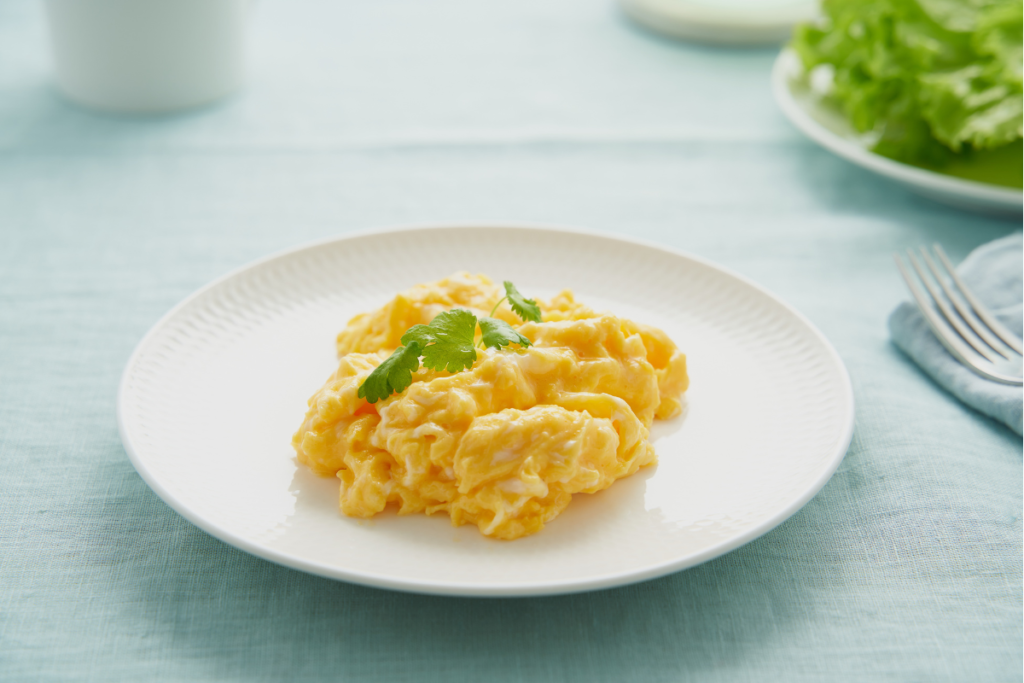
- Scrambled eggs, cooked low and slow to remain soft and fluffy; an excellent source of protein and zinc for wound healing
- Soft oatmeal, cooked until very smooth; avoid any nuts, dried fruit, or hard mix-ins; allow it to cool to lukewarm before eating
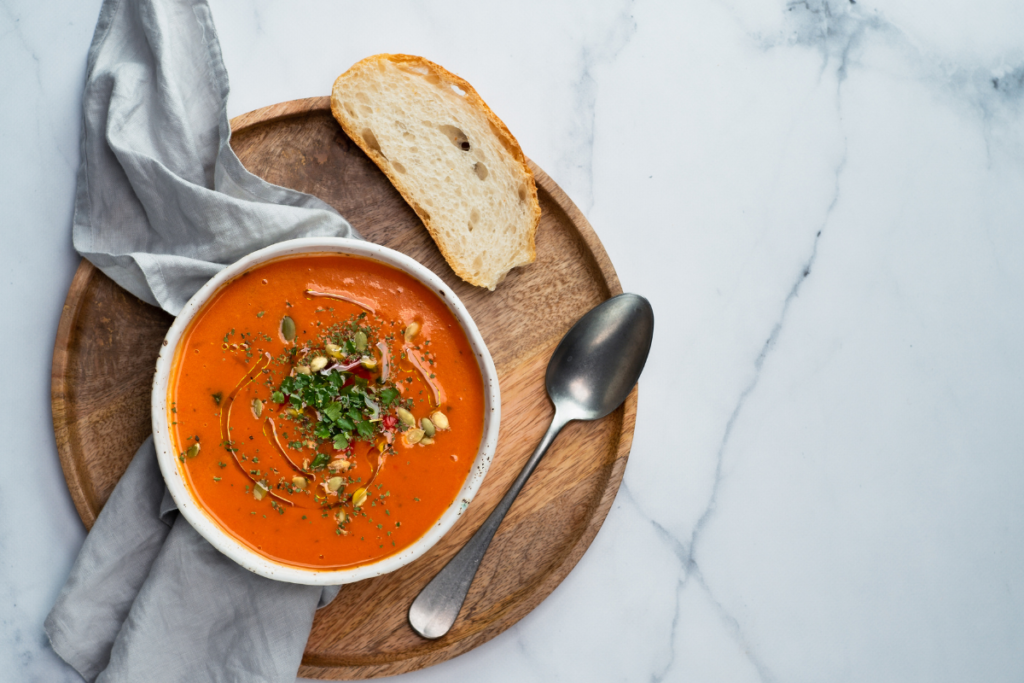
- Blended or pureed soups, tomato bisque, butternut squash, potato leek; lukewarm only, not hot
- Hummus, smooth, no chunky add-ins; a good source of plant-based protein
- Avocado, mashed or sliced very softly; loaded with healthy fats, Vitamin E, and Vitamin K that support tissue repair
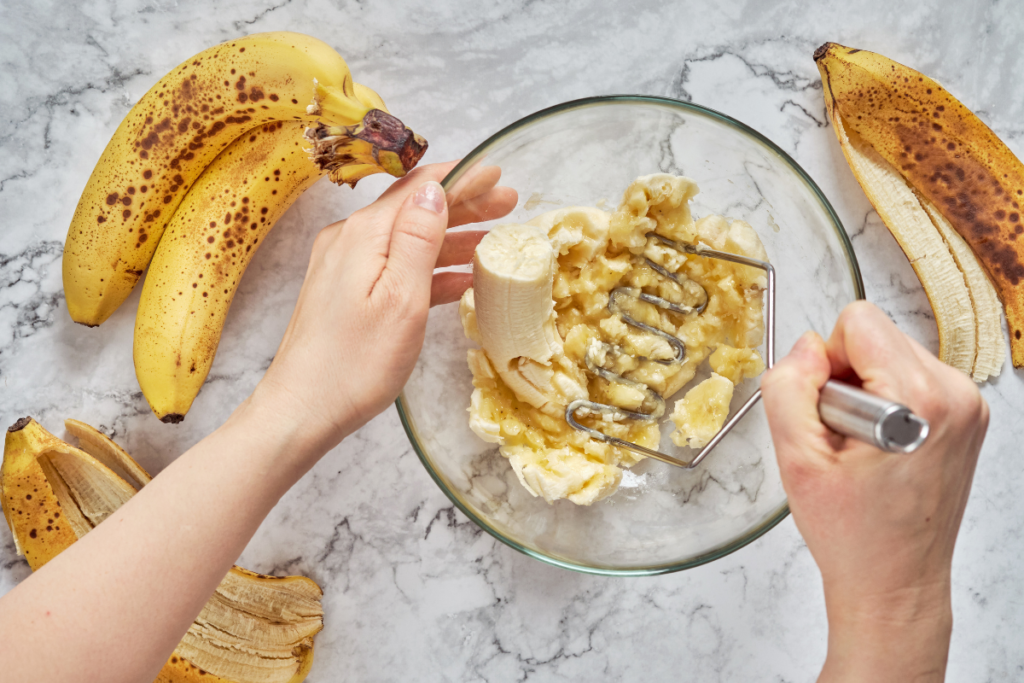
- Mashed bananas, easy to eat, potassium-rich, and gentle on healing tissue
- Plain, smooth Greek yogurt, rich in protein, calcium, zinc, and probiotics
Continue to avoid:
- Hot foods and drinks
- Straws
- Anything requiring chewing
- Spicy or acidic foods
- Alcohol and tobacco
Days 4–5: Transitioning to Soft Solid Foods
Most patients notice a meaningful reduction in pain and swelling by days four and five. The extraction sites are beginning the active phase of soft tissue closure. You can cautiously begin introducing slightly firmer foods, always chewing on the opposite side from the extraction sites and listening to your body carefully.
Suitable additions:
- Soft-cooked fish, tilapia, salmon, or cod that flakes easily; rich in omega-3 fatty acids that reduce systemic inflammation
- Soft pasta, cooked until very tender (past al dente); with smooth sauces only (no chunky tomato, no pesto with pine nuts)
- Soft-cooked rice, well-cooked until fluffy and easy to swallow without chewing
- Pancakes and soft bread, allowed now, provided they are not crusty or crumbly
- Cottage cheese, smooth, soft, and high in protein
- Soft tofu, silken tofu blended into soups or eaten as is; an excellent plant-based protein
- Ripe, soft fruits, ripe melon, peeled ripe peaches, very soft pears; avoid seeds and fibrous textures
- Mac and cheese, cooked until noodles are very soft
Still avoid:
- Crunchy, hard, or chewy foods
- Small seeds, grains, or particles that could lodge in sockets
- Straws (continue avoiding through at least Day 7)
- Spicy, acidic, or heavily seasoned foods
Days 6–7 and Beyond: Gradual Return to Normal Eating
By the end of the first week, most patients are ready to resume a near-normal diet, with a few important ongoing precautions. Your holistic dentist or oral surgeon will evaluate your healing progress and give personalized guidance.
Signs that you are healing well:
- Swelling is visibly decreasing
- Pain is significantly reduced or manageable without prescription medication
- Bleeding has fully stopped
- The extraction sites appear to be closing with new pink tissue
At this stage, you can gradually reintroduce most foods, continuing to chew away from the extraction sites until full healing is confirmed at your follow-up appointment. Very hard, crunchy, or sticky foods should still wait until you have explicit clearance from your dental team.
The Best Soft Foods for Wisdom Teeth Recovery
Here is a consolidated, dentist-approved list of the best foods to eat after wisdom teeth removal, organized by category to make grocery shopping and meal planning easy before your surgery day.
Proteins (Essential for Tissue Repair)
- Greek yogurt, protein, probiotics, calcium, zinc; one of the best all-round recovery foods
- Scrambled or poached eggs, easily digestible, rich in complete protein and B vitamins
- Smooth hummus, plant-based protein and healthy fats
- Soft-cooked fish (tilapia, salmon, cod), omega-3s + high-quality protein
- Silken tofu, plant protein that requires zero chewing
- Cottage cheese, high in protein and calcium; smooth and easy to eat
- Bone broth, collagen-rich, anti-inflammatory, and deeply nourishing; drink lukewarm from a cup
Carbohydrates (Energy for Healing)
- Mashed potatoes, filling, nutritious, and infinitely customizable
- Well-cooked oatmeal, fiber and energy; cool before eating
- Soft-cooked rice, easy to swallow, gentle on healing tissue
- Soft pasta, cooked past al dente; pair with smooth, mild sauces
- Applesauce, easy Vitamin C source in a no-chew format
- Pancakes, soft and satisfying; avoid crunchy toppings
Healthy Fats and Fruits (Anti-Inflammatory)
- Mashed avocado, healthy monounsaturated fats, Vitamin E, Vitamin K, potassium
- Mashed banana, potassium, Vitamin B6, natural energy
- Ripe melon, hydrating, soft, and gentle on tissue
- Smoothies (no straw), combine frozen fruit, Greek yogurt, and protein powder for a nutrient-dense meal
Comfort Foods (Soothing and Enjoyable)
- Ice cream (without hard mix-ins), cold temperature soothes swelling and pain; choose simple flavors without nuts or crunchy pieces
- Gelatin / Jell-O, effortless to eat on day one
- Pudding, smooth and gentle; choose low-sugar varieties
- Popsicles (no seeds), ice-cold relief for inflammation
Nutrients That Speed Up Healing After Oral Surgery {#healing-nutrients}
From a holistic dental perspective, recovery from wisdom tooth extraction is not just about avoiding the wrong foods, it is about strategically loading your body with the nutrients that power the healing process. The National Institutes of Health Office of Dietary Supplements provides detailed guidance on the nutrients most critical to wound healing and immune function.
Vitamin C
Vitamin C is the cornerstone nutrient for oral surgical recovery. It is essential for collagen synthesis, the process by which your body builds the connective tissue that closes the extraction socket and regenerates gum tissue. A randomized clinical trial published on PubMed/NCBI found that Vitamin C supplementation measurably improved extraction socket wound healing parameters.
Best food sources during recovery: Applesauce, smooth mango puree, well-cooked cauliflower mash, soft-cooked sweet potato
Protein and Zinc
Protein provides the amino acid building blocks for tissue repair, while zinc plays a critical role in immune function, cell division, and wound healing. Deficiency in either nutrient measurably slows surgical recovery.
Best food sources during recovery: Greek yogurt, scrambled eggs, hummus, silken tofu, bone broth, soft-cooked fish
Omega-3 Fatty Acids
Omega-3s are some of the most potent natural anti-inflammatory compounds available through diet. They help modulate the inflammatory response following surgery, reducing swelling, pain, and the duration of the acute inflammatory phase.
Best food sources during recovery: Salmon (soft-cooked and flaked), walnut butter blended into smoothies, flaxseed oil added to yogurt
Vitamin D and Calcium
Bone regeneration at the extraction site requires both Vitamin D and calcium, Vitamin D for calcium absorption and immune regulation, calcium for the structural rebuilding of alveolar bone.
Best food sources during recovery: Yogurt, cottage cheese, fortified plant milks (consumed without a straw)
Probiotics
Antibiotics are sometimes prescribed following wisdom tooth extraction. Antibiotics save lives, but they also disrupt the gut microbiome, which plays a central role in immune function and systemic inflammation. Consuming probiotic-rich foods during and after an antibiotic course helps restore microbiome balance and supports recovery.
Best food sources during recovery: Plain Greek yogurt, kefir (if smooth), probiotic-enriched beverages consumed gently without a straw
Foods and Drinks to Avoid After Wisdom Teeth Removal
Knowing what not to eat after wisdom teeth removal is just as important as knowing what to eat. The following foods and beverages pose genuine risks to your healing and should be strictly avoided, particularly during the first week of recovery.
Hard and Crunchy Foods
- Chips, crackers, pretzels, popcorn
- Raw carrots, celery, or any raw vegetables
- Nuts and seeds (including nut butters with chunky pieces)
- Hard candies
- Crusty bread or toast
These foods require significant bite force, risk traumatizing the extraction sites, and leave small sharp fragments that can lodge in open sockets and cause infection.
Chewy and Sticky Foods
- Gummy candies, chewy granola bars, caramel
- Bagels, pizza crust, beef jerky
- Sticky rice or very dense bread
- Chewing gum
Chewy foods create pulling forces at the extraction site that can tear sutures, displace clots, and reopen healing tissue.
Spicy and Acidic Foods
- Hot sauce, salsa, chili
- Citrus fruits and juices (orange, lemon, lime, grapefruit)
- Tomato-based sauces and soups
- Vinegar-based dressings
Spicy foods irritate delicate mucosal tissue. Acidic foods alter the pH of the oral environment in ways that irritate healing tissue and promote bacterial overgrowth.
Small Seeds and Grains
- Seeded breads and buns
- Strawberries, raspberries, blackberries (with seeds)
- Poppy seed or sesame seed anything
- Whole grain cereals or granola
Seeds are small enough to become lodged in extraction sockets, where they create a perfect environment for bacterial colonization and infection.
Alcohol and Tobacco
Alcohol interferes with the healing process, interacts dangerously with prescription pain medications, and inhibits normal immune function. Tobacco, in any form, including cigarettes, vaping, and smokeless tobacco, is among the most significant risk factors for dry socket and post-extraction infection. Nicotine constricts blood vessels, reducing blood flow and oxygen delivery to healing tissue. Smoking creates suction forces similar to a straw. Avoid all tobacco products for at least 72 hours following extraction, and ideally for the full recovery period.
Hot Beverages and Foods
Coffee, tea, hot soup, anything hot increases blood flow to the extraction area, risks dissolving the blood clot, and can cause painful burns to numb tissue that cannot yet feel temperature accurately.
The Holistic Approach to Wisdom Teeth Recovery at Aria Dental
At Aria Dental Care, our approach to wisdom tooth extraction, and recovery, goes significantly beyond the conventional standard of care. Dr. Maryam Horiyat and our surgical team use a biologically advanced protocol designed to dramatically reduce post-operative pain, swelling, and complication risk, which means our patients typically need to follow dietary restrictions for a shorter period and experience a smoother recovery overall.
PRF (Platelet-Rich Fibrin) Therapy
Following extraction, Dr. Horiyat uses platelet-rich fibrin (PRF) derived from the patient’s own blood to pack the extraction socket. PRF is a concentrated mixture of growth factors and platelets that actively accelerates bone and soft tissue regeneration, reduces inflammation, and prevents dry socket, the most painful and common post-extraction complication. Patients who receive PRF therapy typically experience less swelling, less pain, and faster socket closure than those who undergo conventional extraction without it.
Ozone Therapy
Our office applies ozone (O₃) gas therapy to the extraction socket immediately following removal. Ozone is a powerful, all-natural antimicrobial agent that eliminates bacteria, fungi, and viruses in the socket without the side effects associated with antibiotics. This dramatically reduces infection risk and creates a cleaner healing environment, meaning patients often need fewer antibiotics and experience fewer post-operative complications.
Periodontal Ligament (PDL) Removal
In conventional extractions, the periodontal ligament, the connective tissue that anchors the tooth to the jawbone, is often left in place. When left behind, this tissue can interfere with proper bone healing and contribute to a condition known as jawbone cavitation (chronic jawbone infection). Dr. Horiyat carefully removes the periodontal ligament during every extraction to ensure clean, complete socket healing and to prevent future bone complications.
Personalized Nutritional Guidance
Every Aria Dental Care patient receives specific, individualized post-operative dietary guidance, not a generic one-size-fits-all handout. We factor in the patient’s overall nutritional status, any known food sensitivities or allergies, whether antibiotics were prescribed, and the complexity of the extraction when making dietary recommendations. Our goal is always to support the fastest, most comfortable, and most complete healing possible.
Frequently Asked Questions About What to Eat After Wisdom Teeth Removal
How long do I need to eat soft foods after wisdom teeth removal?
For most patients, a strict soft diet is necessary for the first 3–5 days following wisdom tooth extraction. After that, you can begin transitioning to slightly firmer soft foods, with most patients returning to a near-normal diet by the end of the first week. However, the timeline varies based on the complexity of your extraction, impacted wisdom teeth that required surgical incisions and bone removal typically require a longer soft diet period of 7–14 days. Patients who receive advanced biological treatments such as PRF and ozone therapy, as offered at Aria Dental Care, often experience faster healing and may be able to progress their diet more quickly. Always follow your surgeon’s specific guidance and listen to your body.
Can I drink coffee after wisdom teeth removal?
Not for at least the first 24–48 hours, and ideally longer. Hot coffee poses two distinct risks: the heat can dissolve the blood clot essential for healing, and caffeine is a mild vasodilator that can increase bleeding. Once the initial clot has stabilized (typically after 48 hours), lukewarm coffee consumed without a straw is generally acceptable, but check with your dentist first, especially if you are taking prescription pain medication.
Is it okay to eat ice cream after wisdom teeth removal?
Yes, and this is one of the few post-surgical instructions that patients are genuinely happy to follow. The cold temperature of ice cream has a mild analgesic effect on inflamed tissue and helps reduce localized swelling. Choose simple flavors without hard mix-ins, nuts, cookies, or candy pieces. Be mindful that ice cream is high in sugar, since you cannot brush your teeth normally in the first 24 hours, excessive sugar consumption can increase cavity risk around the extraction sites. Banana ice cream (frozen bananas blended until smooth) is a nutritious alternative that provides potassium and natural sweetness.
What can I eat on Day 1 after wisdom teeth removal?
Day one calls for the most conservative dietary approach. Stick to: cool or room-temperature water (sipped gently, no straw), plain smooth yogurt, applesauce, clear or vegetable broth (lukewarm, not hot), plain gelatin, and ice cream or popsicles without hard mix-ins. Everything should require zero chewing. Avoid anything hot, spicy, acidic, carbonated, or alcoholic. If nausea from anesthesia is an issue, a few spoonfuls of plain yogurt before taking pain medication is an effective strategy for settling the stomach.
When can I eat normally again after wisdom teeth removal?
Most patients can return to a largely normal diet within 7–10 days of wisdom tooth extraction. Very hard, crunchy, or sticky foods, like popcorn, nuts, chips, and gummy candies, should be avoided for the full two-week healing period, and sometimes longer depending on individual healing progress. At your follow-up appointment, your dentist will evaluate the extraction sites and give you specific clearance to return to your full normal diet. If you experience any unusual pain, swelling that worsens after day three, fever, or foul-tasting discharge near the extraction sites, contact your dental office promptly, these may indicate dry socket or infection requiring treatment.
Aria Dental Care | Orange County’s #1 Holistic, Biological & Cosmetic Dental Office Dr. Maryam Horiyat, DDS, AIAOMT, CIABDM · Mission Viejo, CA ariadentalcare.com | Book a Consultation