







The most reliable inflamed gums remedy is not a secret ingredient. It is thorough, gentle plaque removal at the gumline, every day, supported by a few proven extras: a warm saltwater rinse, an antimicrobial mouthwash, better nutrition, and quitting tobacco. When gum inflammation is caused by early gingivitis, these steps often bring visible improvement within one to two weeks.
Red, puffy gums that bleed when you brush are easy to ignore. They rarely hurt much, and the bleeding usually stops quickly. But inflamed gums are your body’s early warning system, and how you respond in the next few weeks can decide whether the problem fades or progresses toward periodontitis, the stage of gum disease that damages bone.
This guide walks through seven evidence-based ways to calm swollen gums at home, explains which popular natural remedies hold up to scrutiny, and shows you exactly when an at-home inflamed gums remedy is not enough and professional care is the safer path.
Key takeaways
- Plaque is the main driver of gum inflammation, so daily plaque control is the foundation of every effective remedy.
- Gingivitis, the earliest stage of gum disease, is reversible with consistent home care and professional cleanings.
- Powered toothbrushes and interdental cleaning both have research support for reducing gingivitis.
- Saltwater rinses, cold compresses and mouthwashes ease symptoms but cannot replace brushing and cleaning between teeth.
- Bleeding that lasts beyond two weeks, loose teeth, pus or facial swelling call for a dental visit.
What Causes Inflamed Gums? Understanding Gingivitis and Gum Inflammation
Inflamed gums are almost always a response to dental plaque, the soft, sticky film of bacteria that forms on teeth every day. When plaque sits along the gumline, the immune system sends extra blood flow and immune cells to the area. That defensive response is what you see and feel: redness, puffiness, tenderness and bleeding.
Clinicians call this stage gingivitis. According to the National Institute of Dental and Craniofacial Research (NIDCR), gingivitis can begin in as little as 24 hours of undisturbed plaque, and it is both preventable and reversible with brushing and flossing. If plaque is left in place, it hardens into tartar (calculus), which only a dentist or hygienist can remove. Over months or years, ongoing inflammation can spread below the gumline and become periodontitis, which destroys the ligament and bone that hold teeth in place.
That is the key point for anyone searching for an inflamed gums remedy: at the gingivitis stage, you have real control over the outcome. At the periodontitis stage, home care still matters, but it can no longer fix the problem alone.
Common Signs of Swollen, Inflamed Gums
Gum inflammation can be subtle. Watch for:
- Gums that look bright red or dusky purple instead of firm and pale pink
- Puffy, rounded gum edges between teeth
- Bleeding when brushing, flossing or eating crunchy foods
- Tenderness or a mild ache along the gumline
- Persistent bad breath or a bad taste
- Gums that look shiny or feel soft and spongy
The American Dental Association’s MouthHealthy guide to gingivitis notes that gum disease is usually painless in its early stages, which is exactly why so many people do not realize they have it until a dental checkup.
Risk Factors That Make Gum Inflammation Worse
Plaque starts the process, but several factors intensify the inflammatory response or make plaque harder to control:
- Smoking and vaping. NIDCR identifies smoking as the most significant risk factor for gum disease. It also makes treatment less successful.
- Diabetes. Poorly controlled blood sugar raises infection risk and slows healing.
- Hormonal shifts. Puberty, pregnancy and menopause can make gums more reactive to plaque.
- Dry mouth. Many medications reduce saliva, the mouth’s natural rinse.
- Mouth breathing. Breathing through the mouth, especially during sleep, dries gum tissue and is common in people with airway issues.
- Crowded teeth or rough restorations. These create plaque traps that a toothbrush struggles to reach.
- Low vitamin C intake. As covered below, research links low vitamin C levels to a higher bleeding tendency.
- Chronic stress. Stress affects immune function and often coincides with skipped oral hygiene.
Knowing your risk factors helps you choose the right inflamed gums remedy and decide how quickly to involve a professional.

7 Evidence-Based Inflamed Gums Remedy Options You Can Start Today
The seven steps below are ordered by impact. The first two address the root cause. The rest support healing, ease discomfort, or remove factors that keep inflammation going.
1. Brush Gently at the Gumline With the Right Technique
If you only change one habit, make it this one. Plaque that hugs the gumline is the primary fuel for swollen gums, and most people brush the flat surfaces of their teeth while missing that critical edge.
How to brush for gum health:
- Use a soft-bristled brush. Medium and hard bristles can irritate inflamed tissue and contribute to recession.
- Angle the bristles about 45 degrees toward the gumline and use small, gentle circles or short back-and-forth strokes.
- Brush for two full minutes, twice a day, with a fluoride toothpaste.
- Spend deliberate time on the inner surfaces of lower front teeth and the outer surfaces of upper molars, where plaque collects fastest.
- Replace your brush or brush head every three to four months, or sooner if the bristles splay.
Should you switch to an electric toothbrush? The evidence says it can help. A Cochrane systematic review of 56 trials found that powered toothbrushes reduced gingivitis by about 6% after one to three months and by about 11% over longer periods compared with manual brushing, with rotation-oscillation designs showing the most consistent benefit. Those numbers are modest, but they compound over years, and built-in timers and pressure sensors make good technique easier.
One common mistake: brushing harder when gums bleed. Bleeding is a sign of inflammation, not a sign that brushing is causing damage. Keep brushing gently and thoroughly. Bleeding from gingivitis usually decreases as the plaque is consistently removed.
2. Clean Between Your Teeth Every Day
A toothbrush cannot reach the tight spaces between teeth, which is exactly where gum inflammation tends to start and where it is often most severe. Daily interdental cleaning is the second pillar of any serious inflamed gums remedy.
A 2019 Cochrane review of 35 trials with nearly 4,000 adults found that using floss or interdental brushes in addition to toothbrushing may reduce gingivitis more than brushing alone, and that interdental brushes may be more effective than floss. Water flossers also showed a benefit for gingivitis. The certainty of that evidence was rated low, largely because of short study periods, but the devices are inexpensive and no meaningful side effects were reported.
Choosing the right tool:
- Interdental brushes work best where there is visible space between teeth or after some gum recession. Choose the largest size that slides in without forcing.
- String floss suits tight contacts. Curve it into a C-shape around each tooth and slide gently just below the gumline.
- Water flossers help people with braces, bridges, implants, or limited hand dexterity.
- Soft rubber picks are a gentle, travel-friendly option.
Expect some bleeding during the first week of daily interdental cleaning. If bleeding continues after about two weeks of consistent cleaning, that is a signal to book an exam.

3. Rinse With Warm Salt Water
A warm saltwater rinse is one of the oldest home remedies for swollen gums, and it remains a sensible, low-risk way to soothe tender tissue. Salt water is mildly antiseptic, helps loosen debris, and the warmth can feel comforting on sore areas.
How to do it:
- Dissolve half a teaspoon of salt in eight ounces of warm (not hot) water.
- Swish gently for about 30 seconds, focusing on the inflamed areas.
- Spit it out. Do not swallow.
- Repeat two to three times a day for a few days during a flare.
Be realistic about what this step does. Research on saltwater rinses is limited and suggests a modest antibacterial effect at best. Think of it as comfort care that supports healing, not as a cure. Daily use over long periods is not necessary, and anyone on a sodium-restricted diet should avoid swallowing the rinse.
4. Add an ADA-Accepted Antimicrobial Mouthwash
Mouthwash cannot scrub plaque off teeth, but a therapeutic rinse can reduce the bacterial load that drives gum inflammation, especially in areas that are hard to reach.
What to look for:
- The ADA Seal of Acceptance with an antigingivitis or antiplaque claim. Products earn this seal only after submitting clinical evidence of safety and effectiveness.
- Proven active ingredients, such as cetylpyridinium chloride (CPC) or a fixed combination of essential oils.
- Alcohol-free formulas if you have dry mouth or sensitive tissue. Alcohol can sting inflamed gums and may worsen dryness.
Chlorhexidine gluconate is the most potent antigingivitis rinse available, but in the United States it requires a prescription. Dentists typically recommend it for short periods because long-term use can stain teeth and temporarily alter taste. If your gums are significantly inflamed, ask your dentist whether a short course makes sense for you.
Use mouthwash at a different time than brushing if your toothpaste contains ingredients that may interact with the rinse, and always treat it as an add-on to mechanical cleaning, never a substitute.
5. Use a Cold Compress to Ease Swelling and Tenderness
When gums are visibly swollen and sore, a cold compress applied to the outside of the cheek can reduce discomfort and help bring puffiness down. Cold constricts blood vessels and dulls nerve signals, which makes it a useful short-term comfort measure.
How to use it safely:
- Wrap an ice pack or a bag of frozen vegetables in a thin cloth.
- Hold it against the cheek over the sore area for 10 to 15 minutes.
- Remove it for at least 15 minutes before reapplying.
- Never place ice directly on the gums.
An over-the-counter pain reliever, taken as directed on the label, can also help during a flare. Avoid the old advice of placing an aspirin tablet against the gums: it can cause a chemical burn to the soft tissue. A cold compress treats the symptom, not the cause, so pair it with the plaque-control steps above.
6. Feed Your Gums: Vitamin C, Whole Foods, and Less Sugar
Nutrition is one of the most overlooked parts of any inflamed gums remedy. Your gum tissue depends on collagen, and your body cannot build healthy collagen without enough vitamin C.
A 2021 systematic review and meta-analysis by Philippe Hujoel and colleagues, published in Nutrition Reviews, analyzed 15 clinical trials involving about 1,140 mostly healthy participants alongside national survey data from more than 8,200 U.S. adults. The researchers found that a tendency for gums to bleed on gentle probing was associated with low vitamin C levels in the blood, and that increasing vitamin C intake in people with low levels helped reverse that bleeding tendency. Their takeaway was simple: bleeding gums are a reason to look at your diet, not only your brushing.
Practical nutrition steps for calmer gums:
- Eat vitamin C-rich whole foods daily, such as bell peppers, kiwi, citrus fruits, strawberries, broccoli and kale.
- Cut back on frequent sugary snacks and drinks. Each sugar exposure feeds plaque bacteria. Sipping sweetened coffee or soda throughout the day is especially hard on gums.
- Choose fiber-rich, crunchy produce, which stimulates saliva flow.
- Stay hydrated. Water supports saliva, which helps buffer acids and wash away food debris.
- Talk to your physician before starting supplements, particularly if you take medications, are pregnant, or follow a restrictive diet such as strict low-carb eating that limits fruit.
At Aria Dental Care, nutrition is part of the conversation because the practice’s biological philosophy views the mouth as connected to the rest of the body. That said, diet works alongside plaque control. It does not replace it.
7. Quit Tobacco, Manage Stress, and Protect Your Sleep
The final step addresses the lifestyle factors that keep gums inflamed even when hygiene improves.
- Stop smoking and vaping. Tobacco restricts blood flow to the gums, weakens immune defenses, and is strongly associated with the development and progression of gum disease. Smoking can also mask bleeding, so smokers may have advanced disease with fewer visible warning signs. Free support is available through 1-800-QUIT-NOW.
- Manage stress. Chronic stress affects immune regulation and often leads to skipped brushing, clenching and grinding. Short daily habits, such as a walk, breathing exercises or a consistent wind-down routine, support both your gums and your general health.
- Keep blood sugar in range. If you live with diabetes or prediabetes, better glucose control and healthier gums tend to move together. Let your dentist know about any changes in your diagnosis or medications.
- Address mouth breathing and dry mouth. Waking up with a dry mouth, snoring, or noticing that your front gums are especially red can point to mouth breathing. An airway evaluation may be worthwhile, and sipping water, using a humidifier, and asking your physician about medications that cause dryness can all help.
Natural Remedies for Swollen Gums: What the Evidence Really Says
Search for a natural inflamed gums remedy and you will find dozens of suggestions. Some have early research behind them. Others are unproven or even harmful. Here is an honest overview.
| Remedy | What it may do | Strength of evidence |
| Brushing with a soft or powered brush | Removes plaque, reduces gingivitis | Strong (systematic reviews) |
| Interdental brushes, floss, water flossers | Reduce gingivitis between teeth | Moderate to low (systematic reviews) |
| ADA-accepted antimicrobial mouthwash | Reduces plaque and gingivitis | Strong for accepted products |
| Warm saltwater rinse | Soothes tissue, mild antibacterial effect | Limited |
| Vitamin C-rich diet | Lowers bleeding tendency when intake is low | Moderate (meta-analysis) |
| Aloe vera or turmeric gel | Possible anti-inflammatory effect | Limited (small, short trials) |
| Green tea | Possible antioxidant benefit | Limited (small studies) |
| Oil pulling | May reduce some plaque bacteria | Limited; ADA does not recommend it |
Oil pulling. Swishing coconut or sesame oil is popular in wellness circles. A handful of small studies suggest it may reduce plaque bacteria, but the American Dental Association states that reliable scientific evidence is lacking and does not recommend it as a dental hygiene practice. If you enjoy it, treat it as an optional extra and never a replacement for brushing and interdental cleaning.
Aloe vera, turmeric and green tea. Small clinical studies have reported reductions in gingival inflammation with aloe vera gel, turmeric-based gels and green tea products. These results are interesting, but the studies are generally short and small. Patch-test any topical product first and stop if irritation develops.
Remedies to avoid:
- Undiluted hydrogen peroxide, which can irritate and damage soft tissue
- Undiluted essential oils such as clove or tea tree oil applied directly to the gums, which can burn
- Aspirin placed against the gums, which causes chemical burns
- Aggressive scrubbing with baking soda or charcoal, which can abrade enamel and gum tissue
For a deeper look at plant-based options our practice discusses with patients, see our guide to herbal remedies for oral health.
How Long Does It Take for Inflamed Gums to Heal?
For plaque-related gingivitis, most people notice less bleeding and swelling within about one to two weeks of consistent brushing, interdental cleaning and supportive care. Gum tissue that looked red and puffy often returns to a firmer, paler pink within a few weeks.
Several factors can slow that timeline:
- Tartar above or below the gumline, which home care cannot remove
- Smoking, uncontrolled diabetes or hormonal changes
- Medications that cause dry mouth or gum overgrowth
- Deeper infection that has already progressed to periodontitis
If two weeks of diligent home care has not produced clear improvement, the most likely explanation is that something needs professional attention, often tartar or deeper pockets around the teeth.

When a Home Inflamed Gums Remedy Is Not Enough: Signs to See a Dentist
Home care is powerful for early gingivitis, but no inflamed gums remedy at home can remove hardened tartar or treat infection below the gumline. Book a dental exam if you notice:
- Bleeding that persists after two weeks of consistent home care
- Gums that are pulling away from the teeth or making teeth look longer
- Loose teeth, shifting teeth, or a change in how your bite fits together
- Pus between the teeth and gums
- Persistent bad breath that does not improve with cleaning
- Inflammation around a single tooth, crown or implant
- Swollen gums during pregnancy, or if you have diabetes or a weakened immune system
Seek care promptly if gum swelling comes with facial swelling, fever, difficulty swallowing, or severe pain. These can be signs of a spreading infection that needs urgent treatment.
If you already have a periodontitis diagnosis, our guide to periodontitis home remedies explains how home care fits alongside professional treatment for more advanced gum disease.
How Aria Dental Care Treats Gum Inflammation in Mission Viejo
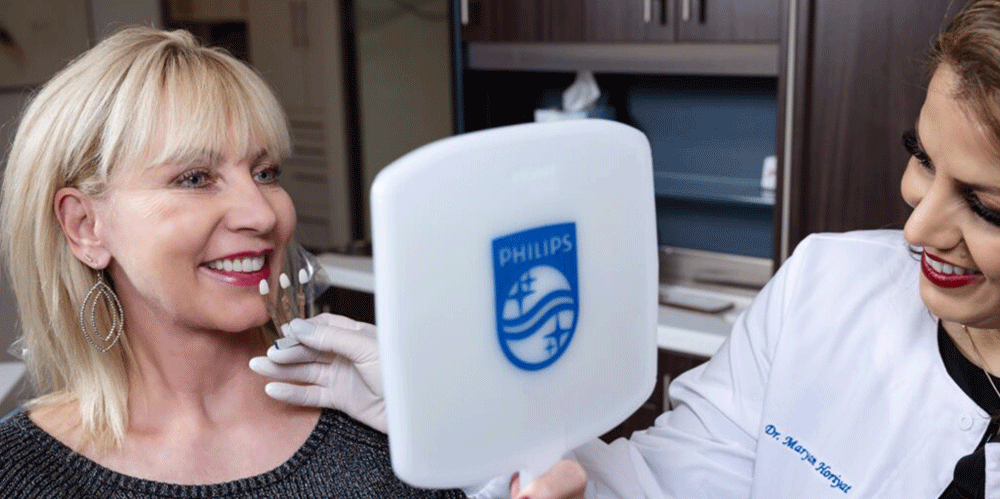
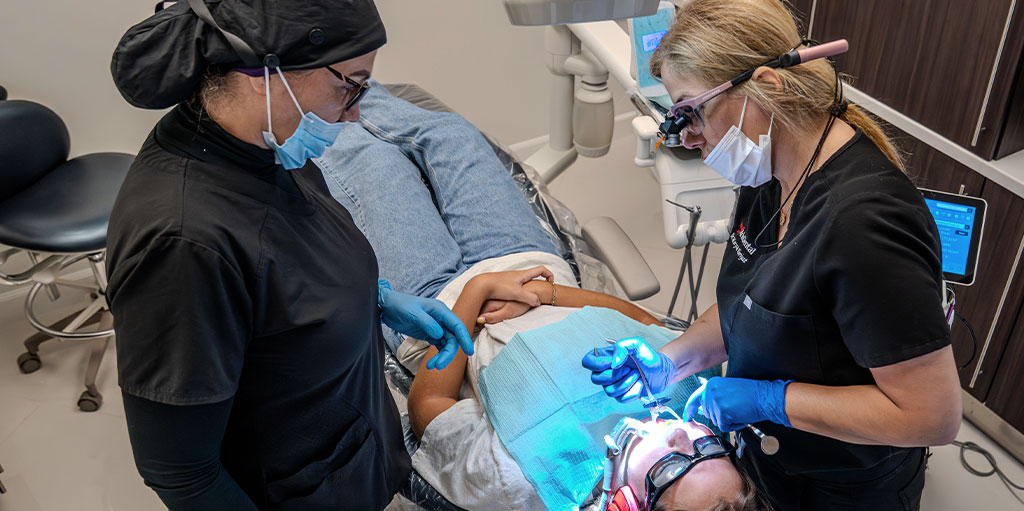
At Aria Dental Care, gum inflammation is evaluated as part of the whole person, not as an isolated symptom. Dr. Maryam Horiyat, DDS, is accredited by the International Academy of Oral Medicine and Toxicology (AIAOMT) and certified by the International Academy of Biological Dentistry and Medicine (CIABDM). Her approach combines conventional periodontal care with the biological dentistry principles of minimally invasive treatment and biocompatible materials.
A typical gum health visit includes:
- A comprehensive periodontal exam, including measurement of the pockets around each tooth and a review of medical history, medications and lifestyle factors.
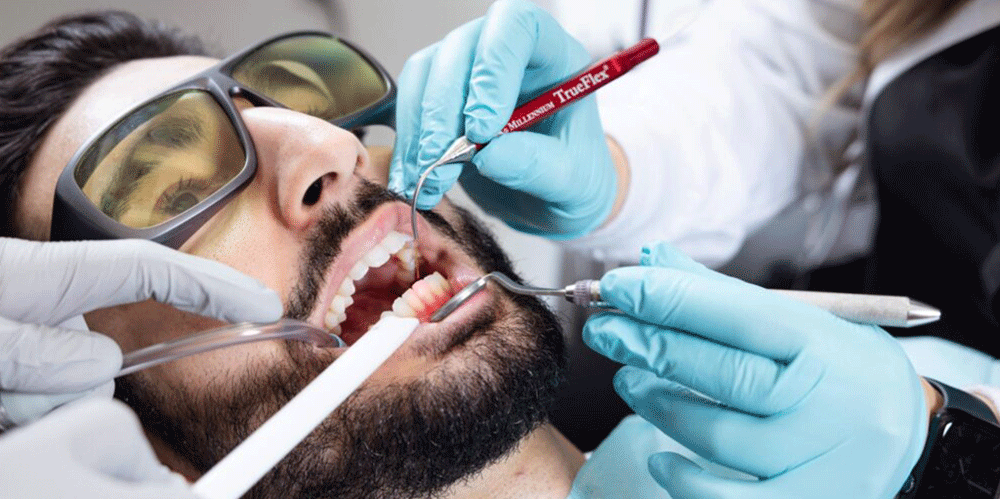
- Professional cleaning to remove plaque and tartar. When pockets are deeper, a dental deep cleaning (scaling and root planing) removes deposits below the gumline.
- Laser-assisted gum therapy when appropriate. LANAP is an FDA-cleared laser protocol for treating moderate to severe periodontitis with less cutting than traditional gum surgery.
- Ozone therapy as part of the practice’s biological approach. Some biological dentists use ozone as an adjunct to cleaning; the research on ozone in periodontal care is still developing, and Dr. Horiyat discusses its role and limits with each patient. Learn more in our article on ozone therapy in dentistry.
- A personalized home care plan, including brush and interdental tool recommendations sized to your mouth, rinse guidance, and nutrition and airway considerations where relevant.
The goal is simple: calm the current inflammation, find out why it started, and give you a routine that keeps it from coming back.
Calm Your Gums With Expert Support
Swollen, bleeding gums are common, but they are not normal, and they are rarely a reason to panic. Start tonight with gentle, thorough brushing and interdental cleaning, add supportive steps like a saltwater rinse and a vitamin C-rich diet, and give your gums two weeks to respond. If they do not improve, or if you notice any warning signs above, a professional evaluation is the most reliable inflamed gums remedy available.
Aria Dental Care welcomes patients from Mission Viejo, Laguna Niguel, Rancho Santa Margarita, Lake Forest, Irvine and across Orange County. Visit us at 27652 Crown Valley Pkwy, Mission Viejo, CA 92691, call (949) 364-9600, or request an appointment online.