



Scroll through any wellness forum, Reddit thread, or TikTok comment section about oral health, and one phrase keeps surfacing: “I healed my receding gums.” The stories usually involve oil pulling, saltwater rinses, a new toothbrush, or a vitamin routine, often paired with before and after photos that look convincing. If your teeth have started to look a little longer, or cold water sends a sharp zing through an exposed root, it is natural to wonder whether the same results are possible for you.
Here is the honest answer, up front: gum tissue that has truly receded does not grow back on its own. What can change, often dramatically, is the health of the gums that remain. Inflammation can calm down, bleeding can stop, sensitivity can fade, and further recession can be halted. When lost coverage needs to be restored, modern minimally invasive procedures can reposition or rebuild gum tissue over exposed roots. So when someone says “I healed my receding gums,” they are usually describing something real, just not quite what the phrase suggests.
Below, the team at Aria Dental Care explains why so many people believe their gums regrew, what actually helps, and which treatments restore a healthy gumline.
Key Takeaways: Can Receding Gums Heal?
- Receded gum tissue does not regenerate up the root without professional treatment.
- Gum inflammation, bleeding, and early gum disease (gingivitis) can genuinely heal with better home care and professional cleanings.
- Stopping the cause, such as gum disease, hard brushing, or grinding, keeps recession from getting worse.
- Lost coverage can be restored with procedures such as the Pinhole Surgical Technique or gum grafting.
What Is Gum Recession? Understanding Gingival Recession
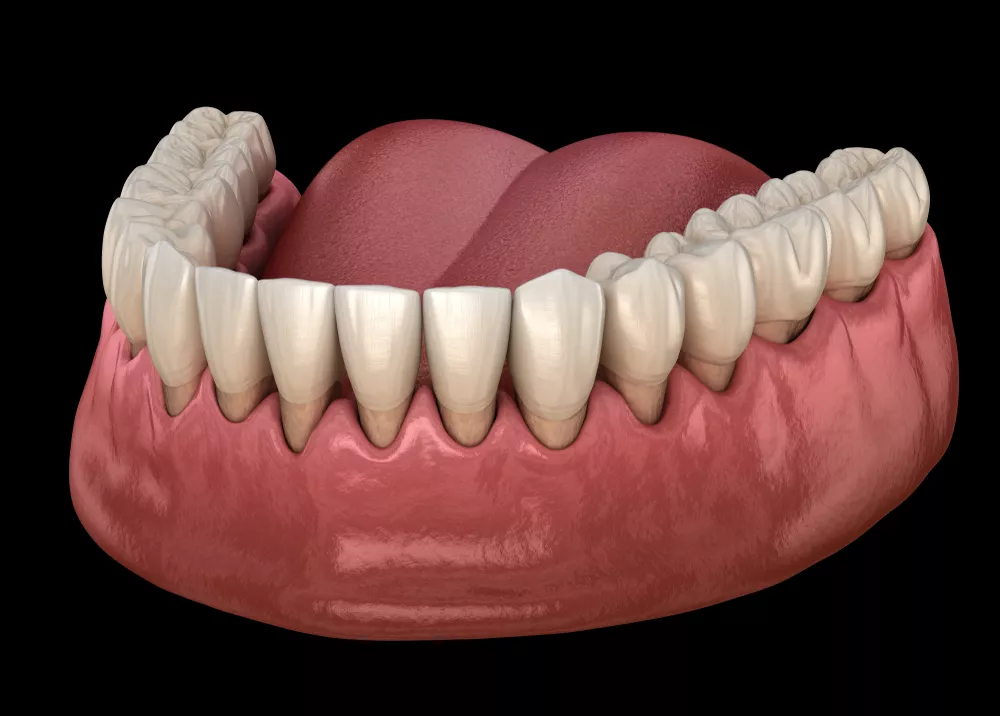
Gum recession, known clinically as gingival recession, happens when the gum margin pulls away from the crown of the tooth and migrates toward the root, exposing root surface that was never meant to face the inside of your mouth. That matters for several reasons:
- Roots have no enamel. They are covered by a thin layer of cementum over dentin, which wears and decays more easily than the crown.
- Exposed dentin is sensitive. Microscopic tubules lead toward the nerve, which is why cold drinks, sweets, and even cold air can sting.
- Recession often signals bone loss. Gum tissue rests on the jawbone. When the bone shrinks, the gum usually follows.
- Your smile changes. Teeth look longer, and dark triangular gaps may appear between them.
Gum recession is also far more common than most people realize. A review in the Journal of the American Dental Association reported that 88 percent of people 65 and older and 50 percent of adults ages 18 to 64 have at least one site with recession. The authors also found recession in people with both good and poor oral hygiene, a clue that brushing habits alone do not tell the whole story.
How Dentists Measure and Classify Gum Recession
During an exam, a dentist uses a small probe marked in millimeters to measure the distance from the enamel edge to the gum margin, plus the depth of the pocket around each tooth. Healthy pockets usually measure 1 to 3 millimeters. Recession is often classified as RT1, RT2, or RT3, based on how much gum and bone remain between neighboring teeth. When that tissue is intact, the chance of fully covering an exposed root is highest. When bone between teeth is lost, complete coverage becomes much harder.
Receding Gums vs. Gum Disease: Related, but Not the Same
Receding gums and gum disease often travel together, but they are not identical. The Centers for Disease Control and Prevention explains that gingivitis, the earliest stage of gum disease, is reversible with good oral hygiene and professional cleanings, while periodontitis involves bone loss that cannot be reversed but can be slowed and managed with treatment. The CDC also reports that about 4 in 10 U.S. adults aged 30 and older have some level of periodontitis.
Periodontitis is a common driver of recession, yet recession can also develop without infection, for example from aggressive brushing or a heavy bite.
Can Receding Gums Grow Back Naturally? The Honest Answer
Gum tissue heals small wounds quickly. What it cannot do on its own is regenerate height that has been lost along the gumline.
The reason is structural. Healthy gums are anchored to the tooth by connective tissue fibers and supported by the bone of the jaw. When recession occurs, that attachment, and often the bone beneath it, is lost. Without a scaffold of bone and connective tissue, the gum margin has no foundation to climb back up the root. The body seals and protects the area, but it does not rebuild the original architecture.
This is why the National Institute of Dental and Craniofacial Research emphasizes controlling infection, stopping progression, and professional treatment, including surgery in advanced cases, rather than waiting for tissue to return.
Why So Many People Believe “I Healed My Receding Gums”
If gums do not regrow on their own, why are there so many convincing success stories? In most cases, people are seeing genuine improvements in gum health that resemble regrowth:
- Swelling went down. Inflamed gums puff up and look uneven. When inflammation resolves, the tissue tightens and looks firmer and pinker, which can read as “new” gum.
- Gingivitis reversed. Bleeding, tenderness, and redness from early gum disease can disappear within weeks of consistent brushing and flossing. That is real healing, just not regrowth.
- Sensitivity faded. Desensitizing toothpaste, gentler brushing, and natural mineral deposits within exposed dentin can quiet sensitivity, so the problem feels solved.
- The photos changed. Lighting, camera angle, and lip position can shift the apparent gumline by a millimeter or two, often the entire difference in before and after shots.
- A rare natural shift occurred. Occasionally, clinicians observe a slight upward creep of the gum margin over several months, known as creeping attachment. It is most often documented after a gum graft, and the gain is typically around a millimeter.
So when someone posts “I healed my receding gums,” the takeaway is not that they are being dishonest. More often, they stopped the damage and got their gums healthy again, which is a meaningful win.
What “Healing” Receding Gums Can Realistically Mean
If your goal is to one day say “I healed my receding gums” with confidence, define success in terms a dentist can measure:
- Stopping progression so recession does not deepen over the coming years.
- Eliminating inflammation and infection in the surrounding gum and bone.
- Protecting exposed roots from decay, wear, and sensitivity.
- Restoring coverage with a procedure when recession is significant, sensitive, or cosmetically bothersome.
The first three goals are often achievable with excellent home care and regular cleanings. The fourth almost always requires in-office treatment.
What Causes Receding Gums?
Recession that keeps getting triggered will keep coming back, so identifying the cause is the foundation of any treatment plan. The most common causes include:
- Periodontal disease. Plaque and tartar below the gumline trigger inflammation that destroys the gum attachment and supporting bone.
- Aggressive brushing. Hard bristles and a scrubbing, side-to-side motion can wear gum tissue away, especially over the canines.
- Teeth grinding and clenching. Heavy, repetitive forces stress the supporting tissues. A custom night guard for bruxism helps protect both teeth and gums.
- Bite misalignment. Teeth that absorb more than their share of force may show more recession, and occlusal bite correction can help balance those forces.
- Thin gum tissue. Some people inherit a thin gum type that recedes more easily, even with gentle care.
- Tobacco and vaping. According to NIDCR, smoking is the most significant risk factor for gum disease, and it also slows healing.
- Crowding, piercings, or a tight frenum. Misplaced teeth have thinner coverage, and constant rubbing or pulling on the gum margin can cause localized recession.
- Hormonal and systemic factors. Pregnancy, menopause, diabetes, and certain medications can all affect gum health.
Most people have more than one factor at play, which is why a thorough evaluation matters more than any single remedy.
Early Warning Signs of Receding Gums
Recession tends to progress slowly and quietly. Watch for:
- Teeth that look longer than they used to
- Sensitivity to cold, heat, or sweets near the gumline
- A notch you can feel with a fingernail where the tooth meets the gum
- Gums that bleed when brushing or flossing
- New dark triangles or gaps between teeth
- Persistent bad breath or an unpleasant taste
- Teeth that feel loose or seem to be shifting
What Actually Helps at Home: Evidence-Based Gum Care
Home care cannot regrow gum tissue, but it is the biggest factor in whether recession stops or keeps advancing. Many people who say “I healed my receding gums” made exactly these changes.
Brush Gently with the Right Technique
- Use a soft or extra-soft toothbrush. Harder bristles offer no cleaning advantage and can wear tissue away.
- Angle the bristles about 45 degrees toward the gumline and use small, gentle circles instead of scrubbing.
- Consider an electric toothbrush with a pressure sensor if you tend to brush hard.
- Brush for two minutes, twice a day, and replace the brush head every three months.
Clean Between Teeth Every Day
Plaque between teeth is a leading driver of gum disease. Floss, interdental brushes, and water flossers all work well, and interdental brushes are often the best choice once recession has opened small spaces between teeth.
Natural Remedies for Receding Gums: What the Research Says
Natural remedies are where most “I healed my receding gums” stories begin. Some have modest evidence for reducing plaque and gum inflammation, but none has been shown to regrow lost gum tissue.
| Remedy | What It May Help With | Can It Regrow Receded Gums? |
| Saltwater rinse | Soothing irritated gums, short-term comfort | No |
| Oil pulling (coconut or sesame) | Small studies suggest less plaque and gingivitis | No |
| Green tea | Antioxidant compounds may support gum health | No |
| Aloe vera gel or rinse | Some trials show reduced gum inflammation | No |
| Vitamin C rich foods | Supports normal collagen and tissue repair | No |
These approaches work best alongside professional care, not as a replacement. A rinse that makes gums feel better can also mask an active infection that is quietly destroying bone.
Nutrition, Smoking, and Whole-Body Gum Health
Gums reflect overall health. A diet rich in vegetables, fruit, and quality protein supports collagen and immune function, and severe vitamin C deficiency is known to cause bleeding gums. Researchers continue to study links between vitamin D, omega-3 fatty acids, and periodontal health. Controlling blood sugar and quitting tobacco in every form are among the most powerful steps for healthier gums.
Professional Gum Recession Treatments That Restore Your Gumline
When recession is active, deep, sensitive, or affecting appearance, professional treatment is how lost coverage is actually restored. This is where the gap between “I healed my receding gums” and a measurable clinical result finally closes. The right option depends on the cause, the amount of recession, and the thickness of the remaining tissue and bone.

Deep Cleaning: Scaling and Root Planing
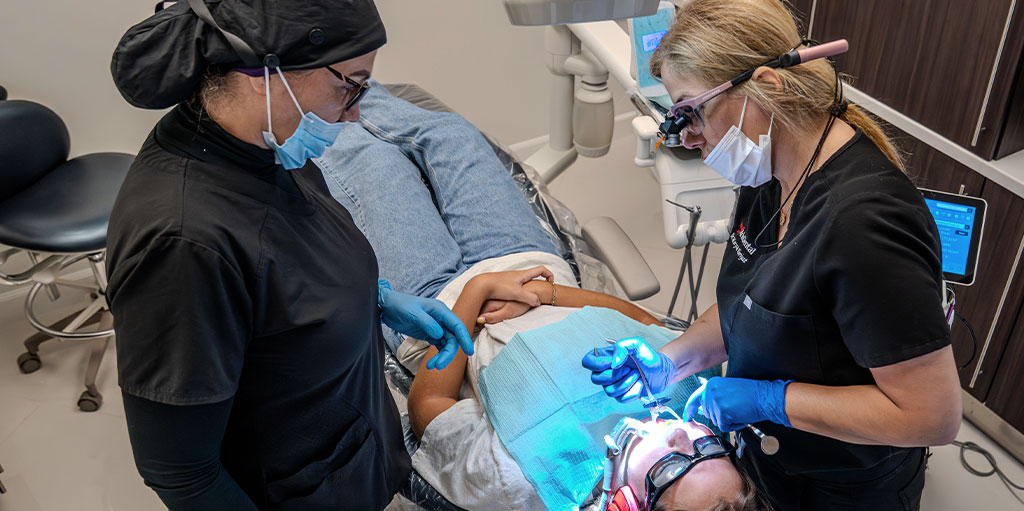
If gum disease is driving recession, the first step is usually a deep cleaning below the gumline. Scaling removes hardened tartar and bacterial deposits, and root planing smooths the root surfaces so gum tissue can heal and fit snugly against the tooth. Learn more about our periodontal gum treatments and ongoing dental cleaning and prevention programs.
LANAP Laser Gum Therapy for Gum Disease
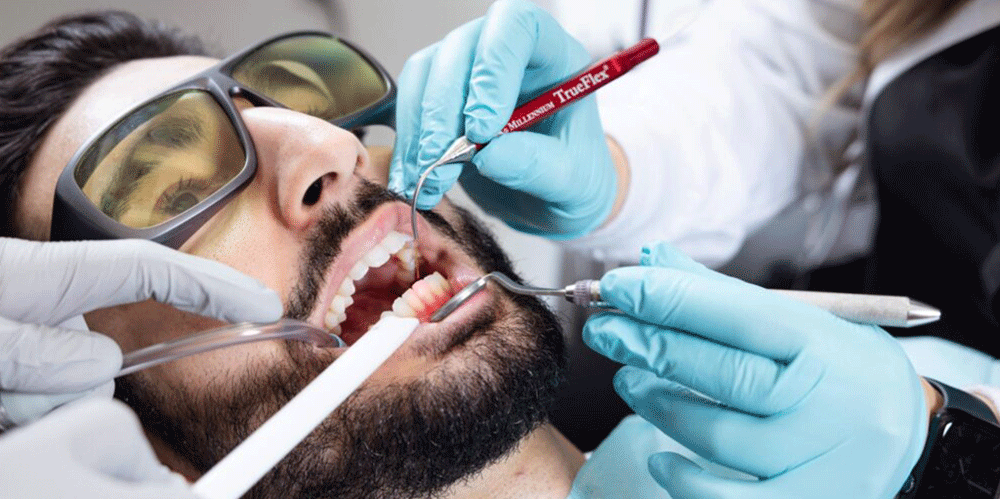
For moderate to advanced gum disease, LANAP laser gum therapy (Laser-Assisted New Attachment Procedure) uses a specialized laser to target diseased tissue and bacteria inside periodontal pockets, typically with less cutting and discomfort than traditional gum surgery. According to its manufacturer, the laser used in the LANAP protocol has FDA clearance related to periodontal regeneration. LANAP treats the infection and pocketing around tooth roots; it is not a substitute for tissue repositioning or grafting when the goal is to cover exposed roots.
The Pinhole Surgical Technique
The Pinhole Surgical Technique for gum recession is a minimally invasive alternative to traditional grafting. Through a small opening in the gum, specialized instruments gently loosen existing tissue and slide it over the exposed roots, where it is stabilized as it heals. Because there is typically no scalpel incision, no sutures, and no donor tissue from the palate, many patients find recovery easier. Candidacy depends on having enough healthy tissue and bone to work with.
Gum Grafting for Receding Gums
Gum grafting remains a well-established way to restore coverage, particularly for deep or isolated recession. Common approaches include:
- Connective tissue grafts, using a small amount of tissue from beneath the surface of the palate
- Free gingival grafts, which thicken thin tissue and add a protective band of firm gum
- Donor tissue grafts, which use processed tissue so a second surgical site is not needed
For a step-by-step walkthrough, read our guide, What Is Gingival Recession Surgery?
Bite Correction, Night Guards, and Orthodontics
Covering a root without addressing the cause is like patching a roof during a storm. If grinding, an uneven bite, or crowding contributed, treatment may include a night guard, a bite adjustment, or orthodontic alignment with Invisalign®, which can make other treatments more predictable.
Protecting Exposed Roots with Biocompatible Restorations
When recession has left notches or worn areas along the root, tooth-colored bonding with biocompatible, metal-free materials can protect the surface and reduce sensitivity. It does not replace gum tissue, but it can be a valuable part of a complete plan.
The Holistic and Biological Approach to Receding Gums at Aria Dental Care
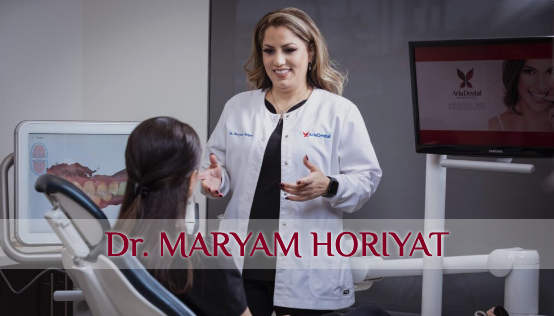
At Aria Dental Care in Mission Viejo, gum recession is treated as a whole-body concern rather than a cosmetic afterthought. Dr. Maryam Horiyat, DDS, AIAOMT, CIABDM, trained at UCLA and UCSF. She is an accredited member of the International Academy of Oral Medicine and Toxicology and certified through the International Academy of Biological Dentistry and Medicine. Her philosophy centers on finding the root cause, choosing the least invasive effective option, and using the most biocompatible materials possible.
A gum recession evaluation at our office typically includes:
- Detailed periodontal charting of pocket depths and recession around each tooth
- 3D cone beam CT imaging when needed to assess the bone supporting the gums
- Bite and grinding analysis, since excess force is often overlooked
- A review of lifestyle, nutrition, and medical history, including diabetes, tobacco use, and stress
- A personalized plan that may combine home care coaching, deep cleaning, laser therapy, and tissue restoration
As part of her biological approach, Dr. Horiyat also uses supportive therapies such as ozone therapy for its antimicrobial properties during gum care. Research on ozone in periodontal treatment is still developing, so it serves as a complement to proven periodontal care rather than a replacement.
The goal is to help each patient reach the result people searching “i healed my receding gums” are really hoping for: a healthy, stable, comfortable gumline that lasts.
When Should You See a Dentist About Receding Gums?
Do not wait for pain, since recession often progresses without it. Schedule an evaluation if you notice:
- Recession that appears to be getting worse
- Sensitivity that does not improve after a few weeks of gentle care
- Bleeding, swelling, or persistent bad breath
- Teeth that feel loose or are shifting
- Recession around a crown, implant, or filling
Early recession is far easier to manage than advanced recession with bone loss. To understand how gum health affects the rest of the body, read our article on whether gum disease can be dangerous to your overall health.
The Bottom Line: A Healthy Gumline Is a Realistic Goal
The phrase “I healed my receding gums” captures a real hope, and part of it is achievable. Inflamed, bleeding, sensitive gums can genuinely heal, and recession can be stopped with the right habits and professional care. What the body cannot do on its own is rebuild gum tissue that has already been lost. For that, today’s minimally invasive treatments offer predictable, natural-looking results.
If searching “i healed my receding gums” brought you here, the most valuable next step is a precise diagnosis. Book a consultation with Dr. Horiyat at Aria Dental Care, 27652 Crown Valley Pkwy, Mission Viejo, CA 92691, or call (949) 364-9600. Our team welcomes patients from across Orange County, including Mission Viejo, Laguna Niguel, Rancho Santa Margarita, Ladera Ranch, San Clemente, and Irvine.