





Most people with gum disease have already heard the standard advice: brush twice a day, floss every night, and come in for a cleaning. And while that advice is absolutely correct, it is also incomplete. If you are looking for a natural treatment for periodontal disease that genuinely addresses the root causes of chronic gum inflammation, bacterial overgrowth, and connective tissue destruction, you need a more comprehensive picture.
People searching for how to cure periodontal disease at home or asking what is the fastest way to heal a gum infection at home are asking exactly the right questions, they’re just rarely given complete answers. The truth is that effective home-based strategies exist, they are backed by clinical research, and they go far deeper than a bottle of antiseptic mouthwash.
At Aria Dental Care, we approach periodontal disease as what it truly is: a chronic, whole-body inflammatory condition with biological, nutritional, behavioral, and microbial dimensions. Brushing and flossing address the surface. What we’re going to discuss in this guide goes much deeper, into the science of gum disease, the evidence-based natural remedies that actually move the needle, and the holistic strategies that can meaningfully slow, manage, and in early stages even reverse the progression of this condition.
This is not a list of folk remedies. Every approach discussed here is grounded in clinical research, and every recommendation comes with honest guidance about its appropriate role in your care.
Understanding Periodontal Disease: More Than a Gum Problem
Before exploring natural treatment for periodontal disease, it’s essential to understand exactly what you’re dealing with. Periodontal disease is not simply a localized infection of the gums. It is a chronic inflammatory condition affecting the entire structure that supports your teeth, the gingival tissue, the periodontal ligament, and the alveolar bone, and it has documented systemic implications that reach well beyond the mouth.
According to the Centers for Disease Control and Prevention (CDC), nearly 42% of all U.S. adults aged 30 and older have periodontitis, with severe periodontitis affecting approximately 8% of the adult population. And yet, the majority of people with gum disease don’t know they have it, because the early stages are frequently painless, which is exactly why so many people turn to home remedies before receiving a formal diagnosis.
The Two Stages of Periodontal Disease
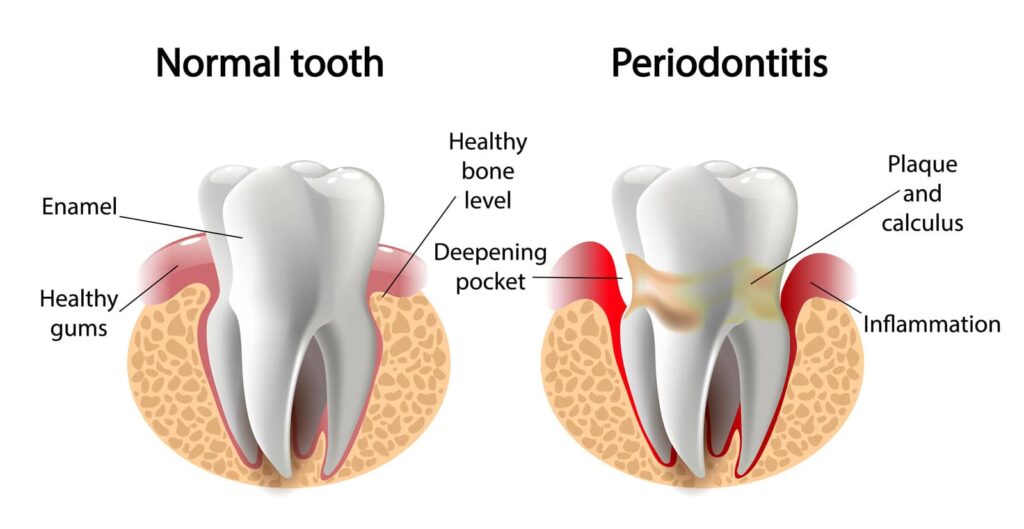
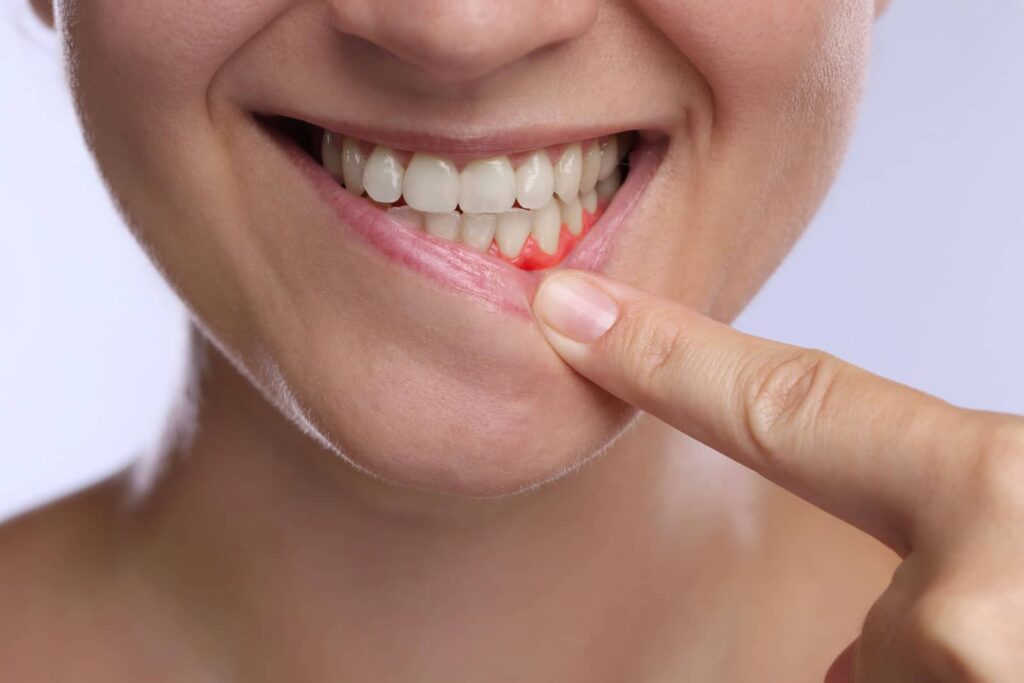
Gingivitis is the earliest and only fully reversible stage. It is characterized by red, swollen, or bleeding gums caused by bacterial plaque buildup along the gumline. At this stage, the underlying bone and connective tissue have not yet been damaged. This is the window where consistent home treatment strategies, including the natural remedies throughout this guide, are most powerful and most likely to produce complete resolution.
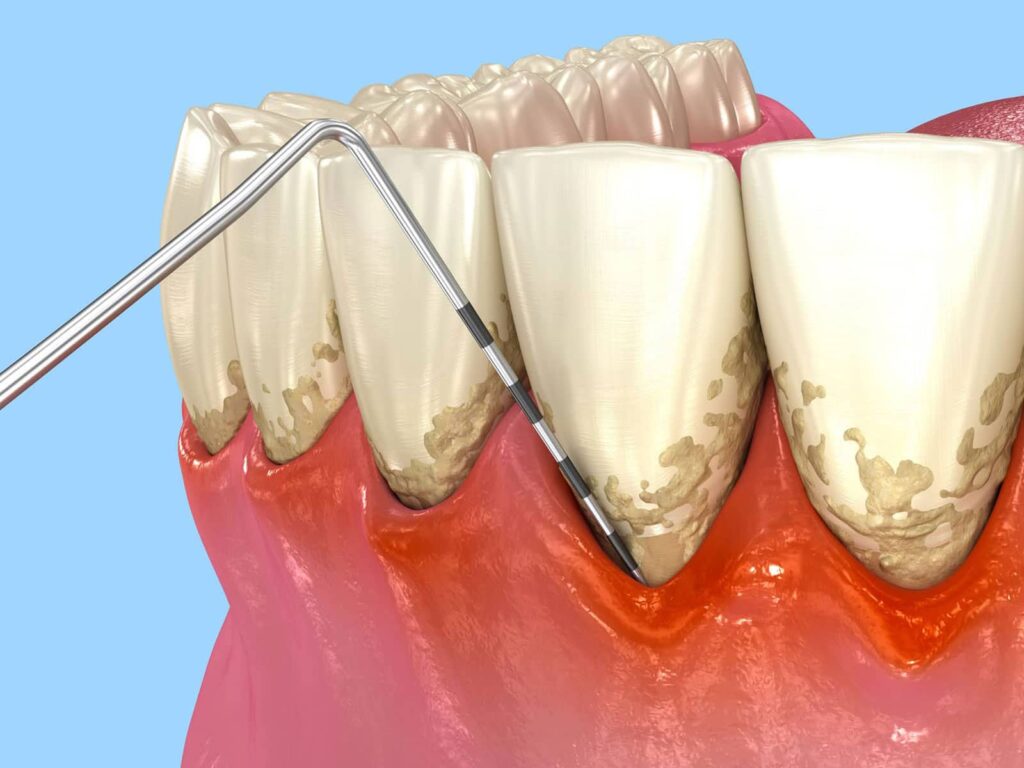
Periodontitis is the advanced, progressive form. When gingivitis is left untreated, the infection spreads below the gumline. The body’s inflammatory immune response begins to destroy the periodontal ligament and the alveolar bone supporting the teeth. Pockets form between the gums and teeth, creating deeper reservoirs where bacteria thrive and where a toothbrush or floss physically cannot reach. At this stage, damage cannot be fully reversed at home, but it can absolutely be managed, slowed, and stabilized with the right combination of professional treatment and holistic lifestyle interventions.
Periodontal Disease and Systemic Health
The connection between periodontal disease and whole-body health is one of the most well-documented areas in modern dentistry. Research published through the National Institutes of Health (PubMed Central) confirms that periodontal disease is associated with a 19% increased risk of cardiovascular disease, rising to 44% in adults over 65, as well as meaningful associations with type 2 diabetes, respiratory disease, rheumatoid arthritis, adverse pregnancy outcomes, and cognitive decline.
This bidirectional relationship is central to the holistic approach to gum disease. Periodontal inflammation drives systemic inflammation, and systemic inflammation worsens periodontal disease. Any truly effective natural treatment for periodontal disease must address both dimensions simultaneously.
Key Insight from Aria Dental Care: Treating gum disease only at the gumline, without addressing diet, immune function, stress, sleep, and the oral microbiome, is like mopping the floor while the tap is still running. The holistic approach closes the tap.
Read more: The 3 Stages of Periodontal Disease

How to Cure Periodontal Disease at Home: What’s Actually Possible
This is the question we hear most often at Aria Dental Care, and it deserves a completely honest answer, not a dismissive one, and not an overoptimistic one either.
The short answer: You can cure gingivitis at home. You cannot fully cure established periodontitis at home, but you can absolutely control it, halt its progression, and dramatically improve your gum health through consistent, evidence-informed home strategies.
Here is what that distinction looks like in practice:
What Home Treatment Can Realistically Achieve
- Full resolution of gingivitis, if you have bleeding gums, mild swelling, and no bone loss, a disciplined combination of improved mechanical hygiene, anti-inflammatory diet changes, natural rinses, and targeted supplementation can reverse gingivitis completely within 2–4 weeks
- Stabilization of mild to moderate periodontitis, for patients with early bone loss and shallow-to-moderate pockets, home strategies combined with regular professional cleanings can halt active tissue destruction and maintain a stable, non-progressing condition
- Reduction of gum inflammation and pocket depth, clinical studies consistently show that adjunct home therapies reduce gingival bleeding, probing depth, and pocket inflammation scores meaningfully over time
- Reduction of systemic inflammatory load, dietary and lifestyle changes made at home directly lower the pro-inflammatory environment that drives periodontal tissue destruction from the inside out
What Home Treatment Cannot Do
- Remove calculus (tartar), once plaque mineralizes into calculus, no home remedy or natural agent can remove it. Calculus acts as a permanent bacterial scaffold below the gumline; only professional scaling instruments can address it
- Regenerate lost bone, bone destroyed by advanced periodontitis cannot be restored through home care; surgical bone grafting procedures are required for regeneration
- Reach deep subgingival pockets, pockets deeper than 4–5 mm cannot be adequately cleaned by any home care tool or rinse
A Practical Home Treatment Protocol for Periodontal Disease
If you are committed to addressing gum disease holistically at home, here is the protocol framework we recommend at Aria Dental Care:
Morning routine:
- Oil pull with 1 tablespoon of cold-pressed coconut oil for 10–15 minutes before eating or brushing
- Brush for a full 2 minutes with a soft-bristled brush, paying careful attention to the gumline
- Clean between every tooth with floss, interdental brushes, or a water flosser
- Rinse with warm saltwater (½ tsp sea salt in 8 oz warm water) for 30–60 seconds
Evening routine:
- Brush thoroughly for 2 minutes, angling the brush at 45 degrees toward the gumline
- Floss or use interdental brushes
- Apply a diluted herbal rinse (cooled green tea, pomegranate extract, or neem-based) for 30 seconds
- Consider applying a small amount of diluted turmeric paste directly to inflamed gum areas before bed
Daily lifestyle foundations:
- Anti-inflammatory diet (detailed in its own section below)
- Targeted supplementation with vitamins C, D3, and omega-3 fatty acids
- Consistent stress management practice
- 7–9 hours of quality sleep per night
What Is the Fastest Way to Heal a Gum Infection at Home?
When gum tissue is actively infected, red, swollen, painful, and potentially producing a foul taste or odor, people understandably want relief as quickly as possible. So what is the fastest way to heal a gum infection at home? The honest clinical answer is a tiered one: some natural approaches work within hours to reduce discomfort and begin controlling bacterial load; full tissue healing takes days to weeks depending on severity.
Important Safety Note from Aria Dental Care: A gum abscess, a localized pocket of pus, is a dental emergency. If you have visible swelling, severe pain, fever, or pus, do not rely on home remedies alone. Contact a dental provider immediately. Dental abscesses can spread rapidly and become life-threatening without professional drainage and antibiotic treatment.
For gum infections that are inflammatory and painful but not abscess-level emergencies, the following natural strategies provide the fastest evidence-supported relief:
Step 1: Warm Saltwater Rinse, Immediate Relief Within Minutes
A warm saltwater rinse is genuinely the fastest natural home intervention for an active gum infection. Salt creates a hypertonic environment that draws fluid out of inflamed tissue (immediately reducing swelling and pain), disrupts bacterial cell membranes, raises the oral pH to a level inhospitable to most periodontal pathogens, and cleanses the wound site without damaging healthy tissue.
Fastest relief protocol: Dissolve 1 teaspoon of non-iodized sea salt in 8 ounces of warm (not hot) water. Rinse gently for 60 seconds, focusing on the affected area. Repeat every 2–3 hours during the first 24–48 hours of active infection symptoms.
Step 2: Clove Oil Application, Fast-Acting Analgesic and Antimicrobial
Clove oil contains eugenol, a natural compound with documented analgesic (pain-relieving) and broad-spectrum antibacterial properties. It is one of the fastest-acting natural agents for localized gum pain and infection control, so effective that eugenol is used in professional dental preparations including emergency cavity fillings and post-extraction socket treatments.
Application protocol: Mix 1–2 drops of pure clove essential oil into 1 teaspoon of coconut or olive oil. Apply the diluted mixture to the infected gum area using a clean cotton swab. Hold for 30–60 seconds. Repeat up to 3 times daily. Never apply undiluted clove oil directly to gum tissue, undiluted eugenol can cause chemical burns.
Step 3: Hydrogen Peroxide Rinse, Rapid Bacterial Load Reduction
A diluted hydrogen peroxide rinse is one of the fastest ways to chemically reduce the bacterial load driving an active gum infection. Its oxidative action kills anaerobic bacteria, the type most associated with periodontal infection and tissue destruction, with essentially zero microbial resistance.
Protocol: Mix equal parts 3% hydrogen peroxide (standard pharmacy grade) with water. Swish gently for 30 seconds. Spit completely, do not swallow. Limit to once daily during acute infection periods; prolonged daily use can disrupt the oral microbiome.
Step 4: Turmeric Paste, Potent Anti-Inflammatory Within Hours
Curcumin applied topically to infected gum tissue begins inhibiting NF-κB, the master inflammatory signaling pathway, within hours of application. Patients frequently report measurable pain and swelling reduction within 24 hours of beginning regular topical curcumin application.
Application protocol: Mix ½ teaspoon of turmeric powder with enough coconut oil to form a paste. Apply directly to the infected gum area with a clean fingertip or cotton swab. Leave for 5–10 minutes, then rinse thoroughly. Repeat twice daily.
Step 5: Cold or Warm Compress, Immediate Swelling and Pain Control
For gum infections accompanied by visible facial swelling, a cold compress applied to the outside of the face (20 minutes on, 20 minutes off) reduces swelling through vasoconstriction. After 48 hours, switching to a warm compress promotes increased blood flow and immune cell delivery to the area, accelerating the body’s natural healing response.
Healing Timeline: What to Realistically Expect
| Timeframe | What You Can Expect With Consistent Home Treatment |
| First 24–48 hours | Reduced pain and swelling from saltwater rinses, clove oil, and cold compress |
| Days 3–5 | Measurable reduction in gum redness and tenderness with consistent protocol |
| Week 1–2 | Visible improvement in gingival color, reduced bleeding, and decreasing sensitivity |
| Week 3–4 | Near-complete resolution of gingivitis; significant improvement in early periodontitis symptoms |
| Beyond 4 weeks | Continued improvement with consistent protocols; professional evaluation recommended to assess remaining disease depth |
The Oral Microbiome: The True Battleground of Gum Disease
Modern research has fundamentally changed how we understand periodontal disease. It is no longer viewed as a simple bacterial infection caused by specific pathogens. Instead, it is increasingly understood as a dysbiosis, an imbalance in the complex community of microorganisms that naturally inhabit the oral cavity.
There are approximately 700 bacterial species in the healthy human mouth. In a balanced oral microbiome, beneficial and commensal bacteria keep pathogenic species in check. In dysbiosis, pathogenic species associated with periodontal destruction, including Porphyromonas gingivalis, Treponema denticola, and Tannerella forsythia (collectively known as the “red complex”), overpopulate the subgingival environment and trigger the chronic inflammatory cascade that destroys periodontal tissue.
What Disrupts the Oral Microbiome?
- Excessive use of antiseptic mouthwashes, particularly alcohol-based rinses used daily, which eliminate not just pathogens but the beneficial bacteria that maintain microbiome balance
- Poor diet high in refined sugars and processed foods, these feed pathogenic species and create the acidic, inflammatory oral environment in which they thrive
- Antibiotic overuse, disrupts both gut and oral microbiomes, reducing colonization resistance against pathogens
- Dry mouth (xerostomia), saliva is the oral microbiome’s primary defense mechanism; reduced salivary flow significantly increases dysbiosis risk
- Chronic systemic inflammation, creates a permissive environment for pathogenic colonization throughout the body, including the subgingival space
Any genuinely effective natural treatment for gum disease must include strategies that actively restore and protect oral microbiome balance, not simply suppress bacteria indiscriminately.
Anti-Inflammatory Nutrition as Natural Treatment for Periodontal Disease
Nutrition is arguably the most powerful and most underutilized lever in the natural management of gum disease. The periodontal tissues are in a constant state of biological renewal, and the raw materials for that renewal come entirely from what you eat. An anti-inflammatory, nutrient-dense diet actively changes the biochemical environment in which periodontal pathogens either thrive or are suppressed.
The Anti-Inflammatory Diet Framework for Gum Health
The dietary pattern most consistently associated with reduced periodontal disease severity is the Mediterranean-style anti-inflammatory diet, characterized by:
- High intake of vegetables and fruits, rich in antioxidant polyphenols that directly neutralize the reactive oxygen species driving periodontal tissue destruction
- Omega-3 fatty acids from fatty fish (salmon, sardines, mackerel), walnuts, and flaxseed, among the most potent natural anti-inflammatory compounds available, with direct clinical evidence of benefit in reducing gingival inflammation markers
- Olive oil, rich in oleocanthal, a natural compound with anti-inflammatory activity comparable to low-dose ibuprofen at typical dietary quantities
- Minimal refined sugar and processed carbohydrates, sugar is the primary fuel source for periodontal pathogens and promotes the acidic oral environment in which they thrive
- Adequate dietary fiber, supports a healthy gut microbiome, which has direct bidirectional communication with the oral microbiome and systemic immune regulation
Key Nutrients With Direct Periodontal Benefits
Vitamin C is perhaps the single most important micronutrient for periodontal health. It is essential for collagen synthesis, the structural protein that forms the periodontal ligament and gingival tissue. Deficiency is directly linked to increased gum bleeding, tissue fragility, and impaired wound healing. Excellent food sources include bell peppers, kiwi, strawberries, broccoli, and citrus fruits.
Coenzyme Q10 (CoQ10) is an antioxidant naturally present in gum tissue. Studies have found significantly lower CoQ10 levels in the gingival tissue of periodontitis patients compared to healthy controls. Food sources include organ meats, fatty fish, and nuts.
Polyphenols, found abundantly in green tea, pomegranate, berries, turmeric, and dark chocolate, have demonstrated antimicrobial activity against periodontal pathogens and anti-inflammatory effects on gingival tissue in multiple clinical studies.
Zinc plays a direct role in immune function, wound healing, and the structural integrity of gum tissue. Oysters, red meat, pumpkin seeds, and legumes are among the richest dietary sources.
Aria Dental Care Recommendation: Think of your diet as either feeding your gum disease or fighting it, there is no neutral ground. A consistent anti-inflammatory eating pattern, sustained over months and years, creates a fundamentally different biological environment in which periodontal disease is far less likely to progress.
Evidence-Based Herbal and Natural Remedies for Gum Disease
A 2024 systematic review published through the National Institutes of Health (PubMed Central) examined 17 peer-reviewed studies on herbal and natural compounds in periodontal therapy. The findings confirmed that natural products, including specific plant extracts and polyherbal formulations, provide effective, safe adjunct support for managing gingivitis and periodontitis, with some demonstrating efficacy comparable to chlorhexidine (the conventional gold-standard antiseptic rinse).
Green Tea (Camellia sinensis)
Green tea’s primary active compounds, catechins, particularly epigallocatechin gallate (EGCG), have demonstrated potent antimicrobial activity against key periodontal pathogens including P. gingivalis, as well as meaningful anti-inflammatory effects on gingival tissue. Multiple clinical trials confirm that green tea rinses and supplements reduce probing depth, gingival bleeding, and inflammatory markers in patients with chronic periodontitis.
Practical use: 2–3 cups of unsweetened green tea daily, or use cooled green tea as a gentle mouth rinse for 30–60 seconds after brushing.
Pomegranate (Punica granatum)
Rich in ellagic acid, punicalagin, and anthocyanins, pomegranate demonstrates broad-spectrum antimicrobial activity against periodontal pathogens, meaningful reduction in gingival inflammatory cytokines, and antioxidant activity that protects against oxidative tissue damage. Clinical studies have found pomegranate-based mouthwashes to reduce gingival inflammation and plaque scores comparably to chlorhexidine, without side effects of tooth staining or microbiome disruption.
Aloe Vera
Aloe vera gel contains acemannan, anthraquinones, and polysaccharides that demonstrate anti-inflammatory, antimicrobial, and wound-healing properties in gingival tissue. Clinical trials evaluating aloe vera gel applied directly into periodontal pockets following scaling found reduced pocket depth and improved clinical attachment levels compared to scaling alone.
Neem (Azadirachta indica)
Neem bark extracts demonstrate significant antimicrobial activity against S. mutans, P. gingivalis, and other oral pathogens, with clinical studies confirming efficacy in reducing plaque and gingival inflammation. Neem-based toothpastes and mouth rinses represent a well-supported natural daily hygiene adjunct.
Turmeric (Curcumin)
Curcumin gel applied subgingivally has been evaluated in multiple randomized controlled trials, consistently showing reduction in probing pocket depth, gingival index scores, and pro-inflammatory cytokine levels. Curcumin inhibits NF-κB, the master regulatory pathway for inflammatory gene expression in periodontal tissue.
Practical use: Turmeric paste (turmeric powder mixed with coconut oil) applied gently to the gumline; or curcumin supplements (taken with piperine for enhanced bioavailability) as a systemic anti-inflammatory strategy.
Clove Oil (Eugenol)
Eugenol, the active compound in clove oil, has well-documented analgesic, antibacterial, and anti-inflammatory properties. Diluted clove oil applied to inflamed gum tissue reduces discomfort and combats local bacterial overgrowth. Always dilute in a carrier oil before gingival application to prevent chemical burns.
Oil Pulling, Saltwater Rinses, and Other Adjunct Therapies
Oil Pulling With Coconut Oil
Oil pulling, swishing a tablespoon of coconut oil around the mouth for 15–20 minutes, is an ancient Ayurvedic technique with meaningful modern clinical research behind it. Multiple studies confirm that coconut oil pulling reduces plaque indices and gingival inflammation scores when practiced consistently alongside regular brushing. The lauric acid in coconut oil provides additional antimicrobial activity against oral pathogens.
How to practice: Swish 1 tablespoon of cold-pressed coconut oil for 10–20 minutes first thing in the morning, before eating or brushing. Spit into a trash bin (not the sink, coconut oil can solidify and block pipes). Rinse with water, then brush normally.
Warm Saltwater Rinses
Salt creates a hypertonic environment that reduces gum tissue swelling, disrupts bacterial cell membranes, and maintains an alkaline oral pH inhospitable to most periodontal pathogens. Clinical research confirms that saltwater rinses produce anti-inflammatory effects comparable to chlorhexidine following periodontal surgery, with none of the side effects.
How to use: Dissolve ½ teaspoon of non-iodized sea salt in 8 ounces of warm water. Rinse gently for 30–60 seconds, 1–2 times daily, particularly during periods of active gum inflammation.
Ozone Therapy
Ozone therapy uses medical-grade ozone gas or ozonated water to deliver targeted antimicrobial activity to subgingival environments, reaching areas conventional cleaning instruments cannot access. Ozone acts rapidly, leaves no toxic residue, and preserves healthy surrounding tissue. At Aria Dental Care, ozone therapy is offered as a professionally supervised adjunct to periodontal treatment for patients seeking to minimize conventional antibiotic use.
Oral Probiotic Therapy for Microbiome Rebalancing
Strains including Lactobacillus reuteri, Lactobacillus rhamnosus, and Streptococcus salivarius have been evaluated in clinical trials for periodontal applications, with results showing meaningful reductions in gingival bleeding, pocket depth, and pathogenic bacterial counts when used as adjuncts to professional cleaning. Unlike systemic antibiotics that broadly disrupt the microbiome, targeted oral probiotics work with the body’s own microbial ecology to restore balance. Oral probiotic lozenges or chewable tablets designed specifically for oral application represent a promising and evidence-informed tool for daily home gum health maintenance.
Vitamin and Mineral Deficiencies That Worsen Periodontal Disease
Subclinical nutritional deficiencies are far more common than most people realize, and several have direct, documented negative effects on periodontal health that no oral hygiene practice alone can compensate for.
Vitamin D
Vitamin D supports calcium metabolism and alveolar bone mineral density, modulates the inflammatory immune response, and enhances the activity of antimicrobial peptides in the oral mucosa. Multiple studies have found that low serum vitamin D levels are independently associated with increased periodontal disease severity. Optimal serum 25-hydroxyvitamin D levels for periodontal health appear to be in the range of 40–60 ng/mL, well above the basic deficiency threshold of 20 ng/mL.
Vitamin C
Marginal vitamin C status, common in Western diets low in fresh produce, is directly linked to increased gingival bleeding and impaired periodontal tissue healing. For patients actively working on how to cure periodontal disease at home, optimizing vitamin C intake is one of the most impactful single dietary adjustments available.
Magnesium
Deficiency in magnesium, extremely common in Western populations due to soil depletion and processed food diets, is associated with increased systemic inflammation, which directly worsens periodontal tissue destruction. Magnesium-rich foods include leafy greens, nuts, seeds, legumes, and whole grains.
Omega-3 Fatty Acids
The modern Western diet’s extreme imbalance toward omega-6 fats (pro-inflammatory) over omega-3 fats (anti-inflammatory) drives chronic systemic inflammation that impairs the resolution of periodontal inflammatory processes throughout the body. Correcting this ratio through diet and supplementation is a foundational step in any home-based periodontal management strategy.
Stress, Sleep, and the Immune Connection to Gum Disease
The relationship between psychological stress, sleep quality, immune function, and periodontal disease is one of the most clinically underappreciated dimensions of gum health, and one of the most important for any holistic home treatment approach.
How Chronic Stress Drives Gum Disease
Chronic psychological stress elevates cortisol, which suppresses certain immune pathways while paradoxically increasing pro-inflammatory cytokines like IL-1β and TNF-α, the same signaling molecules that directly drive periodontal tissue destruction. Stress is also a primary driver of bruxism (nocturnal teeth grinding), which creates excessive mechanical stress on the periodontal ligament and accelerates bone loss in patients with existing periodontitis.
Sleep Deprivation and Gum Inflammation
People who consistently sleep fewer than 7 hours per night show measurably higher rates of gingival inflammation compared to those who sleep 7–9 hours. Poor sleep elevates systemic inflammatory markers including C-reactive protein (CRP) and interleukin-6 (IL-6), both of which directly worsen periodontal disease severity.
Stress-Reduction Strategies With Gum Health Benefits
- Mindfulness meditation and deep breathing exercises, reduce cortisol and systemic inflammatory markers with as little as 10–20 minutes of daily practice
- Regular aerobic exercise, one of the most powerful systemic anti-inflammatory interventions available, shown in research to improve periodontal health outcomes independent of other factors
- Sleep hygiene optimization, consistent sleep and wake times, a dark and cool sleep environment, and treatment of underlying sleep disorders such as sleep apnea (independently associated with periodontal disease)
- Social connection, isolation and loneliness are independent risk factors for chronic inflammation; prioritizing meaningful relationships supports both immune and periodontal health
When Home Remedies Must Be Combined With Professional Care
We want to be completely honest: natural treatment for periodontal disease at home is most powerful as a complement to, not a permanent replacement for, professional periodontal care, particularly for established periodontitis.
Many patients ask us how to cure periodontal disease at home, hoping they can avoid the dental chair. The reality is that once calculus has formed below the gumline and pockets have developed, no home remedy can remove that calculus or adequately clean those pockets. Scaling and root planing (deep cleaning) remains the definitive treatment for removing subgingival bacterial deposits, and delaying it while relying solely on home care allows silent, irreversible bone loss to continue.
What home and natural strategies genuinely achieve:
- Change the systemic biological environment in which your periodontal disease either progresses or stabilizes after professional treatment
- Reduce systemic inflammatory load that drives tissue destruction from within
- Support bone metabolism and immune response to optimize healing after professional procedures
- Extend the intervals between necessary professional treatments by maintaining lower bacterial loads and healthier tissue between appointments
- Rebalance the oral microbiome to reduce the pathogenic colonization that drives active disease
The most successful long-term outcomes in periodontal management are almost universally achieved by patients who combine timely professional treatment with consistent, well-informed holistic home practices. This is the integrated model of care that Aria Dental Care advocates for and delivers every day.
The Aria Dental Care Holistic Periodontal Approach
At Aria Dental Care, we do not separate oral health from whole-body health, because the science confirms that they are inseparable. Our approach to periodontal disease management integrates clinical excellence with holistic principles to deliver outcomes that are not just effective, but durable.
When patients come to us with periodontal disease concerns, whether they’ve been managing symptoms at home or have recently received a diagnosis, our comprehensive approach includes:
- Thorough periodontal evaluation, including full periodontal charting, digital X-rays to assess bone levels, assessment of systemic risk factors, and oral microbiome evaluation where indicated
- Professional treatment, scaling and root planing, laser-assisted periodontal therapy, and ozone therapy as adjunct options for appropriate cases
- Personalized natural therapy guidance, customized recommendations for dietary modifications, evidence-based supplements, herbal adjuncts, and oral hygiene protocols specific to your microbiome and health profile
- Systemic health coordination, we work collaboratively with your physician when systemic conditions such as diabetes, cardiovascular disease, or autoimmune conditions are contributing to your periodontal status
- Patient education and empowerment, because the most powerful interventions happen at home between appointments, we invest in ensuring every patient leaves with a clear, actionable, personalized home care plan
If you’ve been told you have gum disease, or if you’re experiencing symptoms like bleeding gums, persistent bad breath, gum recession, or tooth sensitivity, we invite you to schedule a comprehensive evaluation with our team. The earlier we address it, the more options you have. And with the right integrative approach, the trajectory of this condition can absolutely be changed.